Modern business website template showcasing service details and customer engagement.

When to Consider Professional Grading

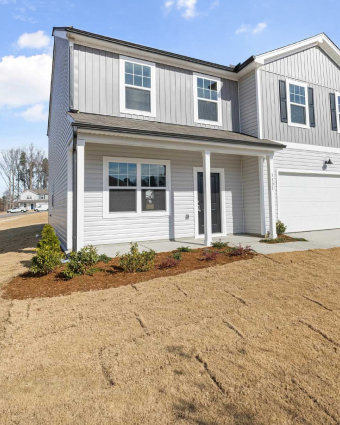
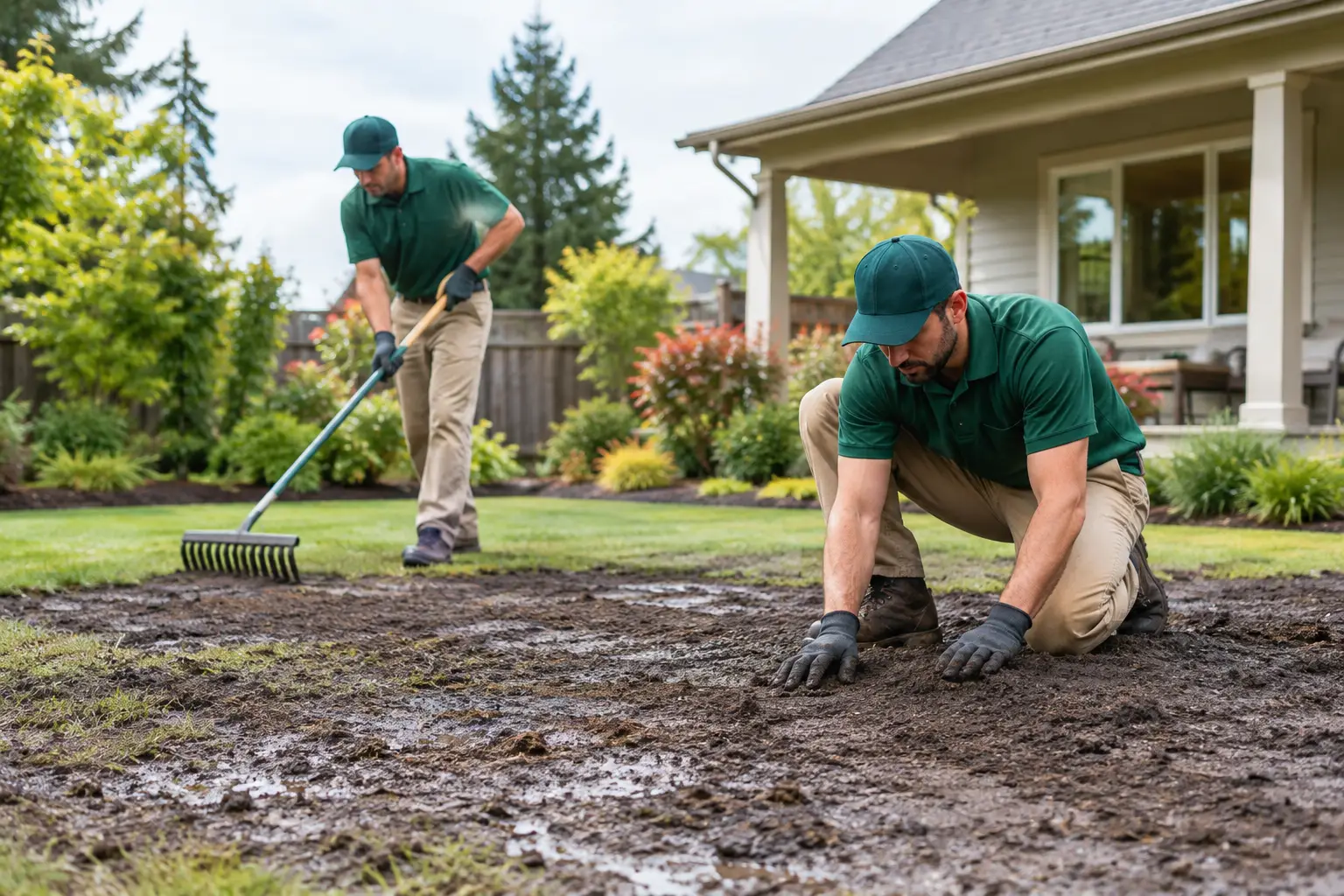
Uneven ground, poor drainage, or sloped yards can lead to water collecting near your home, soil erosion, or trouble with new landscaping projects. Grading addresses these issues by adjusting the slope and surface of your property, helping water flow away from foundations and creating a stable base for lawns, patios, or garden beds. Homeowners often request grading before installing new landscaping, building patios, or solving drainage problems. The process typically involves site evaluation, setting the correct slope, and using equipment to move soil and shape the land for long-term stability and proper drainage.

Illustration of a modern business website showcasing service details and customer engagement.
Common Triggers for Grading Projects

Standing water in the yard, soggy areas after rain, or soil washing away from slopes often signal the need for grading. Preparing for new patios, driveways, or planting areas also requires a level surface and proper drainage.

What the Grading Process Involves

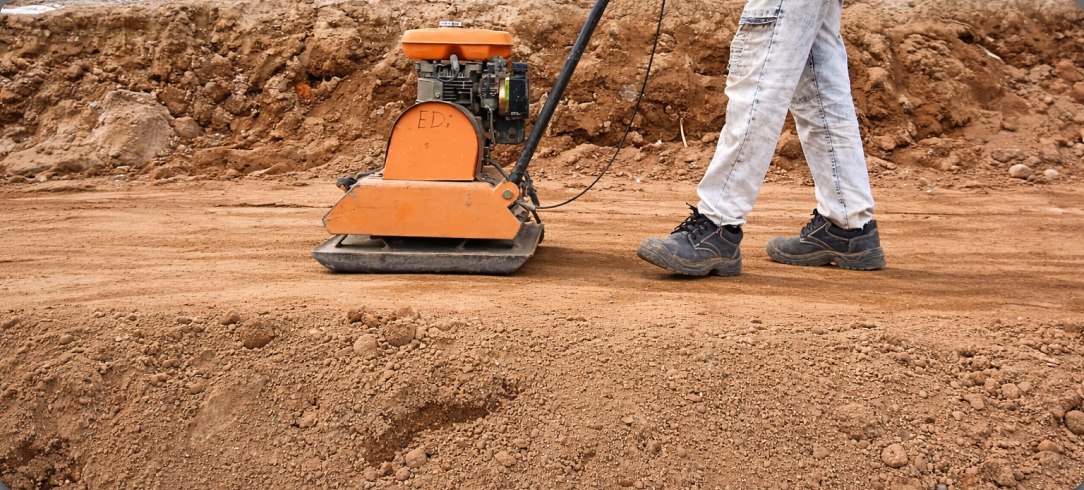
Grading starts with a site assessment to identify drainage patterns and problem spots. Crews then use equipment to move soil, shape the land, and create slopes that direct water away from your home and outdoor living spaces.

Results You Can Expect

A properly graded yard helps prevent water damage, improves soil stability, and provides a solid foundation for landscaping or construction. The finished result supports healthy lawns, patios, and plantings while reducing future maintenance concerns.

Frequently Asked Questions

Q. Why is grading important before starting a landscaping or patio project in Beaverton?
Grading helps create a level and stable surface, directs water away from structures, and prepares the site for landscaping, patios, or other outdoor features. Proper grading is essential for preventing drainage issues and supporting long-term durability of the finished project.
Q. How does grading improve drainage on my property?
Grading adjusts the slope and elevation of your yard to guide water away from your home and other structures. This reduces pooling, helps prevent erosion, and supports the effectiveness of drainage systems such as French drains.
Q. What should I expect during the grading process for my backyard?
The grading process typically begins with a site evaluation to assess slopes, soil conditions, and drainage patterns. Soil may be moved, compacted, or reshaped to achieve the desired grade, and the area is prepared for the next phase of landscaping or construction.
Q. Will grading affect existing trees, plants, or structures on my property?
Grading plans are developed to minimize impact on existing trees, plants, and structures whenever possible. The team will review your property layout and discuss any necessary adjustments to protect important features during the process.
Q. How do I know if my yard needs grading before installing new landscaping or hardscaping?
Signs that grading may be needed include uneven surfaces, standing water after rain, visible erosion, or slopes that make outdoor areas difficult to use. A site evaluation can determine if grading will help address these issues and prepare your yard for new improvements.

Start Your Project Today

Get a Free Quote

    How to Begin

    What Happens Next

    Use this form to share details about your landscaping or outdoor construction project, or to ask questions about our residential services. You may also reach us by phone or email if that is easier for you.

    After you send your information, a team member will contact you to discuss your project and outline the next steps.

    0 +

    Project 

    0 %

    Customer Feedback

    Recent News and Helpful Guides

    Outdoor Landscaping Tips and Planning Resources

    Scroll to Top