Modern business website template showcasing service details and customer engagement.

Irrigation System Installation: What to Expect

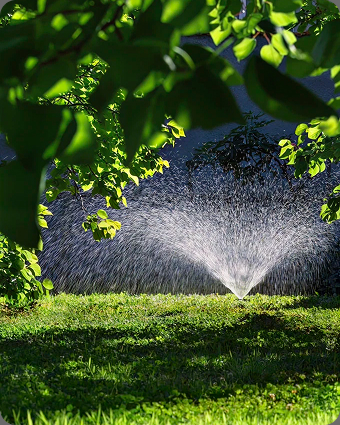
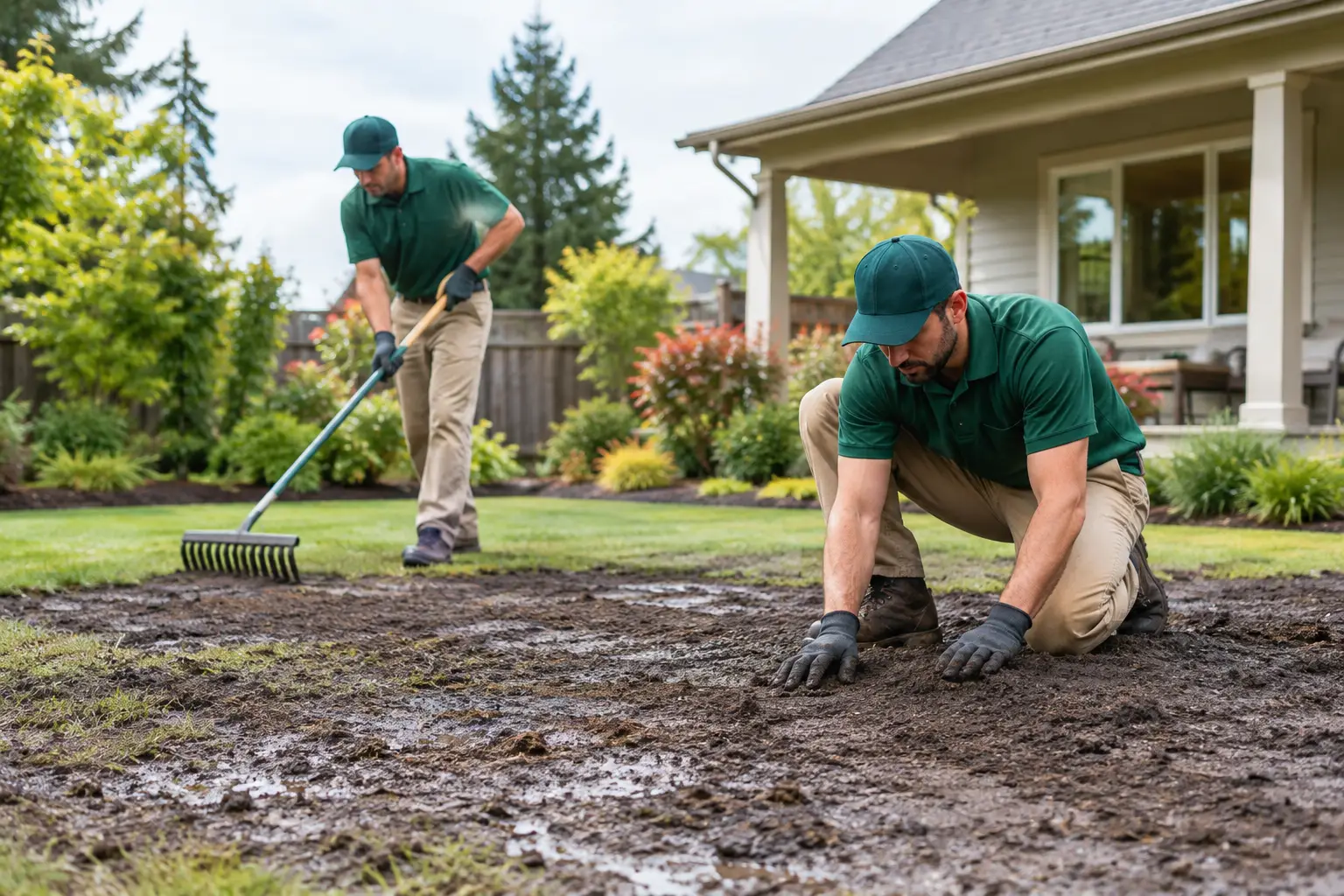
Dry patches in lawns, struggling plants, and inconsistent watering often signal the need for a new irrigation system. Many homeowners consider installation when hand-watering becomes impractical or when upgrading an older system. The process typically starts with a site evaluation to understand the layout, plant types, and water needs. Our team then designs and installs a system that delivers water efficiently to lawns, garden beds, and landscaped areas. The finished result helps maintain healthy growth and reduces manual watering effort.

Illustration of a modern business website showcasing service details and customer engagement.
When to Install a New Irrigation System

A new irrigation system is often needed when lawns show uneven growth, plants are stressed, or watering by hand is no longer practical. Upgrading is also common during landscape renovations or when adding new lawn and garden areas.

What the Installation Includes

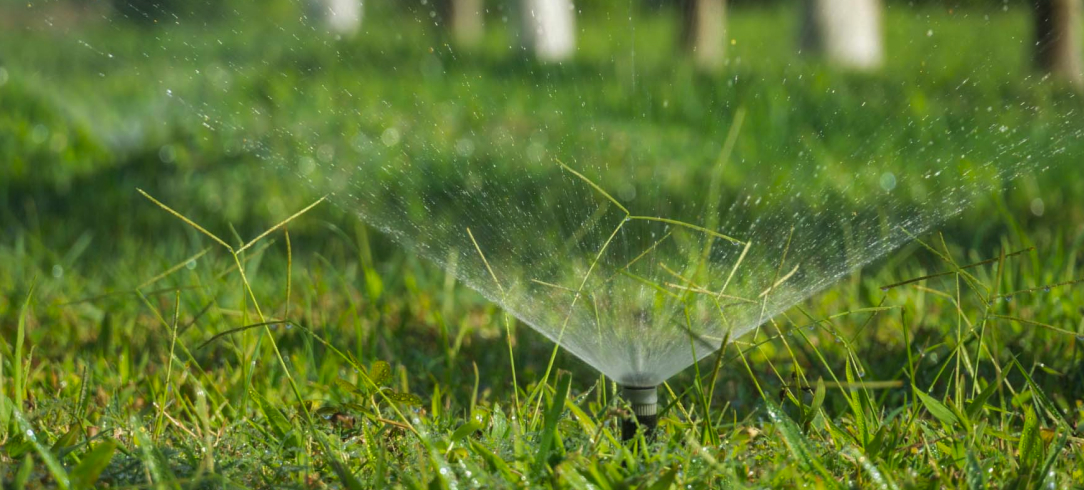
Installation involves planning the layout, selecting the right sprinkler heads or drip lines, and connecting the system to a water source. The process may include trenching, pipe installation, and setting up automatic controllers to manage watering schedules.

Benefits for Your Property

A professionally installed irrigation system helps keep lawns green and plants healthy while saving time on manual watering. It can also support water conservation by delivering the right amount of water where it’s needed.

Frequently Asked Questions

Q. How is an irrigation system designed for my Beaverton property?
Irrigation systems are planned based on your yard’s layout, plant types, sun exposure, and soil conditions. The design process includes evaluating water supply, dividing the property into zones, and matching watering needs to each area.
Q. Can an irrigation system be installed around existing patios or landscaping?
Yes, irrigation systems can be routed around patios, walkways, and established garden beds. Careful planning ensures minimal disruption to existing features while providing adequate water coverage.
Q. What maintenance does a residential irrigation system require?
Routine maintenance includes checking for leaks, adjusting sprinkler heads or emitters, and making seasonal timer changes. Regular inspections help keep the system working efficiently and prevent uneven watering.
Q. How are seasonal changes handled with irrigation systems in the Beaverton area?
Seasonal adjustments are made to account for changes in rainfall and temperature. This may involve updating watering schedules in spring and fall or shutting down the system before winter to prevent freeze damage.
Q. What are common signs that my irrigation system needs repair?
Uneven watering, visible leaks, dry spots, or pooling water can indicate a problem. If you notice these issues, it’s important to have the system checked to maintain healthy landscaping.

Start Your Project Today

Get a Free Quote

    How to Begin

    What Happens Next

    Use this form to share details about your landscaping or outdoor construction project, or to ask questions about our residential services. You may also reach us by phone or email if that is easier for you.

    After you send your information, a team member will contact you to discuss your project and outline the next steps.

    0 +

    Project 

    0 %

    Customer Feedback

    Recent News and Helpful Guides

    Outdoor Landscaping Tips and Planning Resources

    Scroll to Top