Modern business website template showcasing service details and customer engagement.

Natural Stone Patios for Lasting Outdoor Spaces

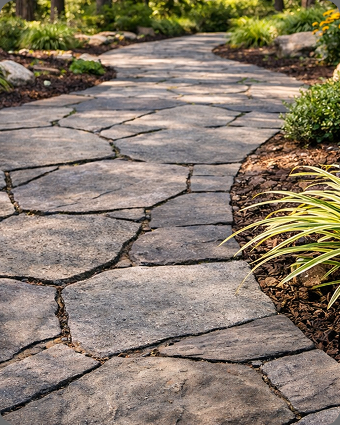
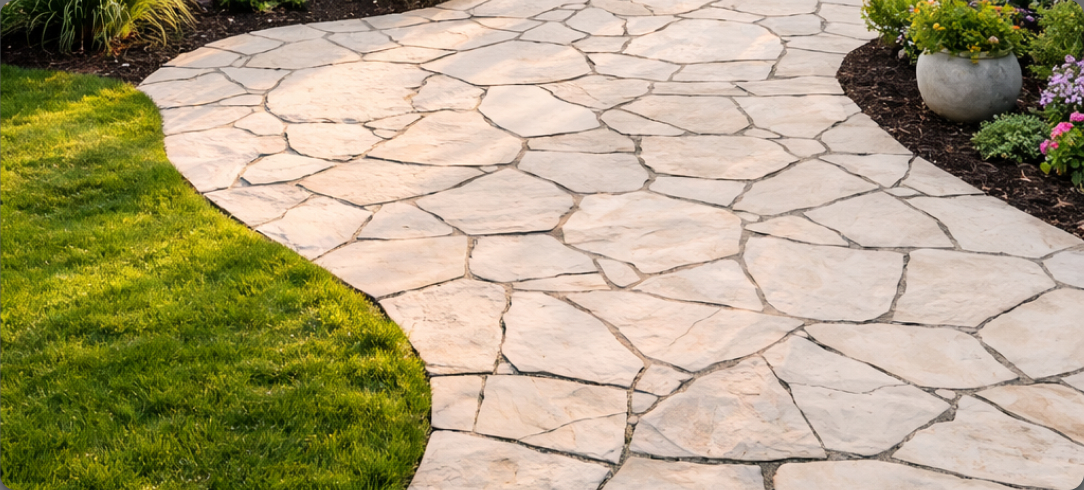
Flagstone patios are chosen for their unique appearance and durable surface. Many Beaverton homeowners consider this option when they want an outdoor seating area with a natural, textured look. Irregular stone shapes create a one-of-a-kind pattern that blends well with garden spaces and existing landscaping. The installation process involves preparing a stable base, carefully placing each stone, and filling joints for a finished surface that stands up to regular use and changing weather. A flagstone patio can provide a comfortable spot for gatherings, dining, or relaxing outdoors while adding visual interest to your yard.

Illustration of a modern business website showcasing service details and customer engagement.
When to Choose a Flagstone Patio

Flagstone patios are a good fit for properties where a traditional concrete or paver patio might look too uniform. Homeowners often select flagstone when they want a natural, rustic appearance or need a patio that follows an irregular shape. This type of surface is also practical for sloped yards or areas with drainage concerns.

What the Installation Involves

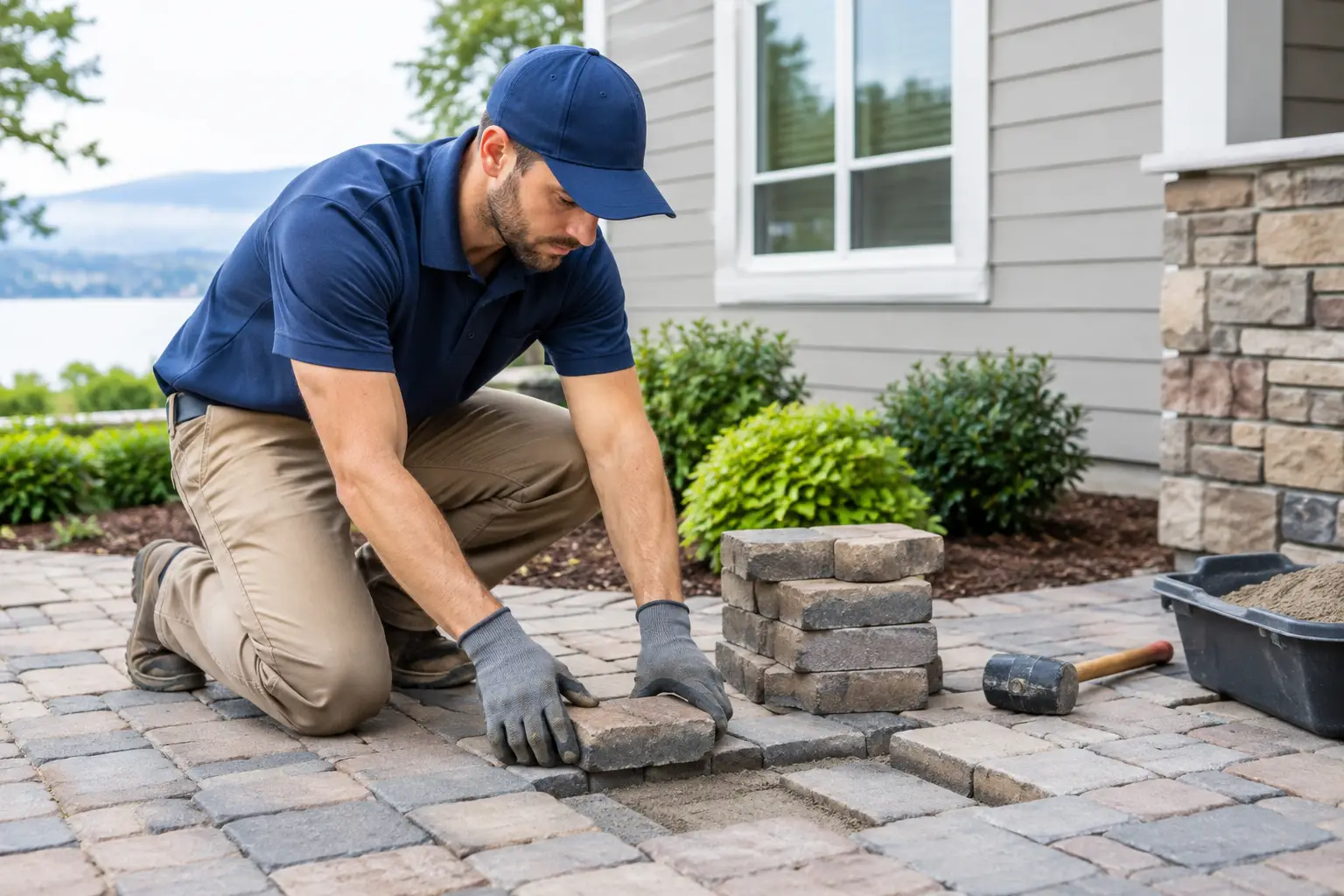
The process begins with site preparation and grading to ensure a stable foundation. Each flagstone piece is placed by hand to fit the design, and joints are filled with sand, gravel, or mortar depending on your preference. Proper installation helps prevent shifting and keeps the patio safe for foot traffic.

Planning Your Project

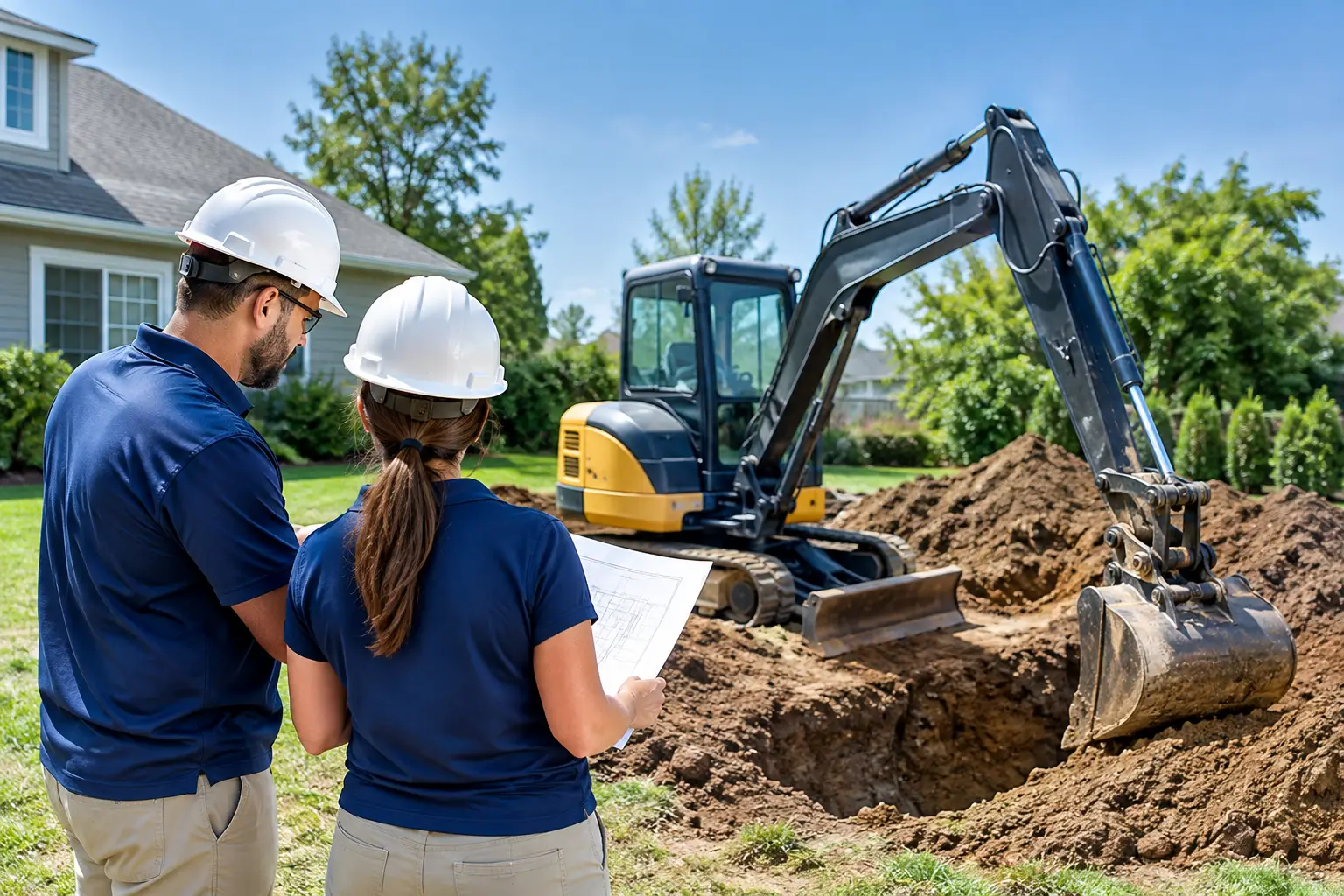
Consider how you plan to use the space, the size of your yard, and how the patio will connect to other outdoor features. Drainage, access, and the surrounding landscape are important factors during planning. A well-designed flagstone patio can increase your home's usable outdoor area and improve curb appeal.

Flagstone Patio Installation FAQ

Q. What makes flagstone patios different from paver patios?
Flagstone patios use irregular, natural stone pieces that create a more organic look compared to the uniform shape of pavers. The installation process also differs, with attention to stone thickness, joint spacing, and layout to minimize movement and uneven surfaces.
Q. How do you ensure flagstone patios stay stable and don’t shift over time?
A properly prepared base is essential for stability. Stones are set on compacted gravel and sand, with careful placement and joint filling to help prevent rocking or shifting as the patio settles.
Q. What kind of maintenance do flagstone patios require?
Routine maintenance includes checking joint fill, managing weeds, and monitoring for any movement of the stones. Occasional sweeping and rinsing help keep the surface clean, and joint material may need to be replenished over time.
Q. How do flagstone patios perform in Beaverton’s climate?
Flagstone is well-suited for outdoor use and handles moisture and temperature changes typical in Beaverton. Proper installation and drainage help prevent water pooling and reduce the risk of stones shifting or becoming uneven.
Q. Can flagstone patios be integrated with other landscaping features?
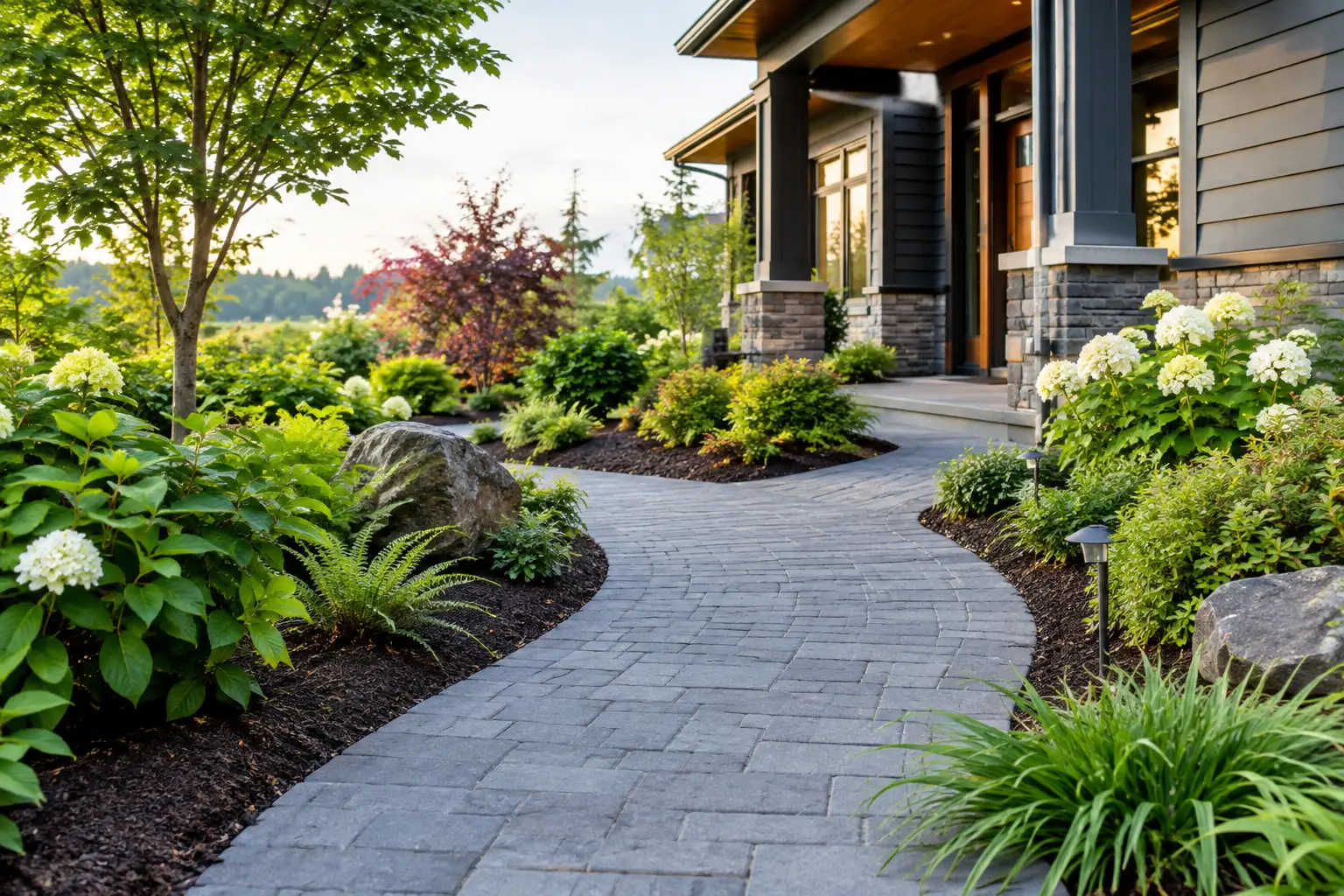
Yes, flagstone patios can be designed to connect with walkways, garden beds, retaining walls, and other outdoor features. This allows for a cohesive landscape that blends natural stone with other materials on your property.

Start Your Project Today

Get a Free Quote

    How to Begin

    What Happens Next

    Use this form to share details about your landscaping or outdoor construction project, or to ask questions about our residential services. You may also reach us by phone or email if that is easier for you.

    After you send your information, a team member will contact you to discuss your project and outline the next steps.

    0 +

    Project 

    0 %

    Customer Feedback

    Recent News and Helpful Guides

    Outdoor Landscaping Tips and Planning Resources

    Scroll to Top