
Stone Masonry
Our Services
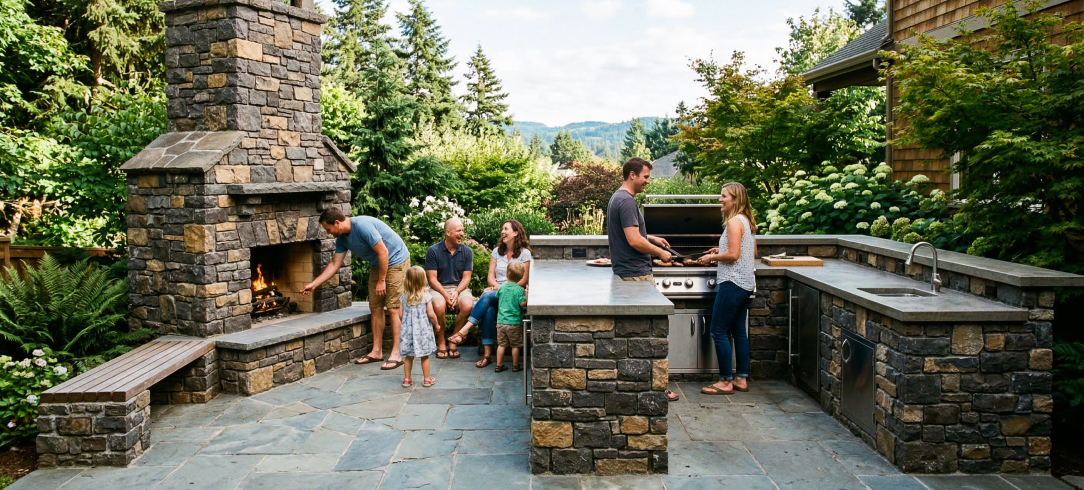
When to Consider Stone Masonry for Your Property
Stone masonry is often chosen for projects that require durable, long-lasting outdoor features. Homeowners look to stonework when building retaining walls, garden borders, or decorative elements that need to withstand weather and daily use. Common triggers include sloped yards needing structural support, outdoor areas where natural stone adds value, or when existing landscape features need replacement due to age or damage. Planning typically involves selecting stone types, reviewing site conditions, and coordinating with other landscaping or hardscaping work to ensure a cohesive result. Finished stone masonry provides a permanent upgrade that improves both the function and appearance of outdoor spaces.
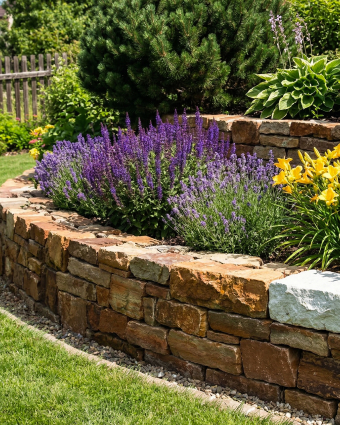
What Stone Masonry Includes
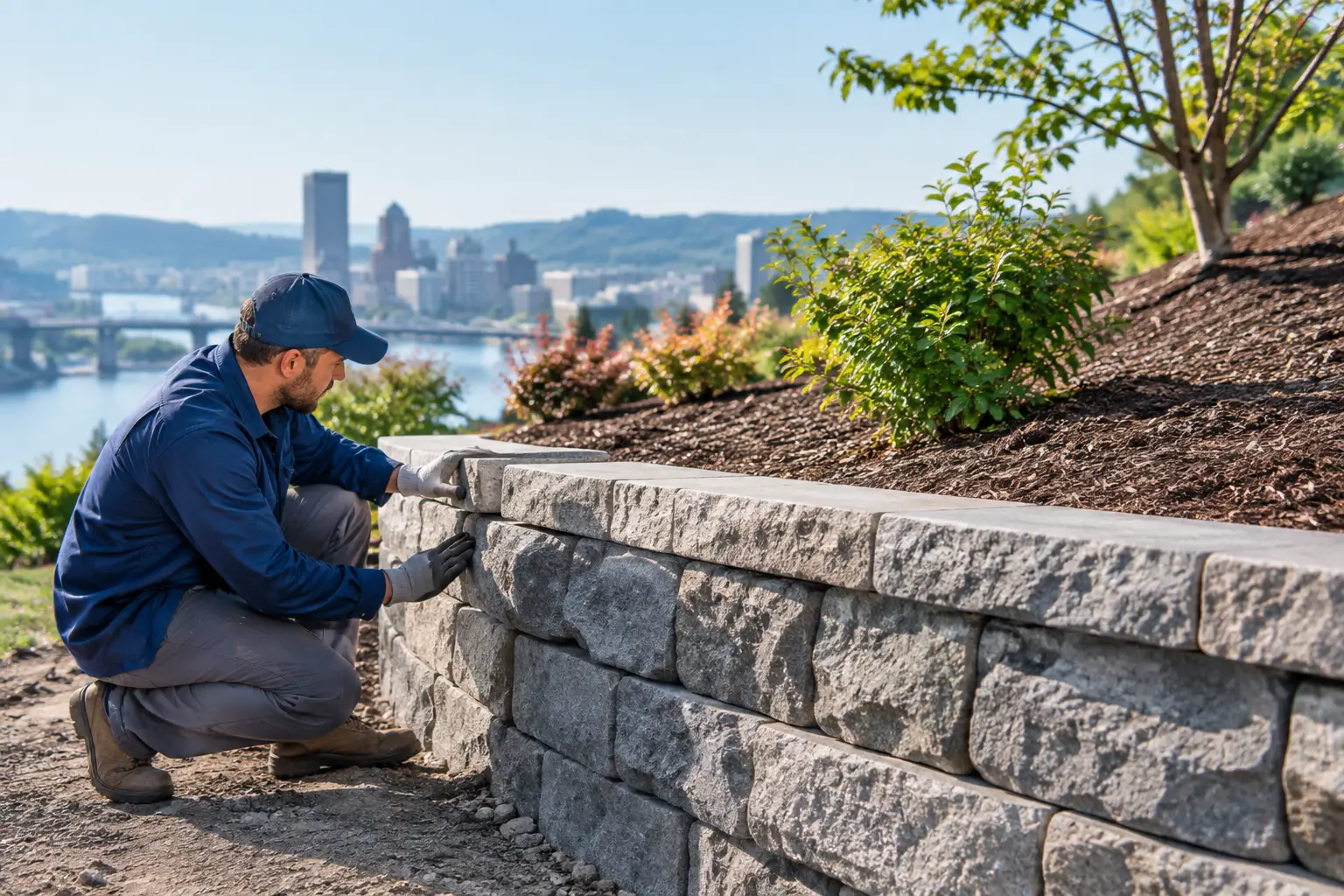
Stone masonry covers the construction of retaining walls, garden borders, steps, and decorative features using natural or cut stone. The process involves preparing the site, setting a stable foundation, and carefully placing each stone for strength and appearance.
Common Project Situations
Homeowners often request stone masonry when dealing with soil erosion, sloped yards, or when upgrading outdoor living areas. Stonework is also chosen for its ability to complement patios, walkways, and other hardscape features.
Planning and Installation Process
The process starts with a site evaluation and material selection. Installation includes excavation, base preparation, and skilled stone placement. Projects are coordinated with other landscaping or hardscape work to ensure a consistent finish.
Frequently Asked Questions
Q. What types of stone masonry features can be added to my landscape in Beaverton?
Q. How do you determine whether to use mortar or dry-stack construction for stone masonry?
Q. What steps are taken to ensure stone masonry features last in the Portland metro climate?
Q. How does stone masonry connect with other landscape elements like patios or planting beds?
Q. What maintenance is required to keep stone masonry features looking their best?
Start Your Project Today
Get a Free Quote
How to Begin
What Happens Next
Use this form to share details about your landscaping or outdoor construction project, or to ask questions about our residential services. You may also reach us by phone or email if that is easier for you.
After you send your information, a team member will contact you to discuss your project and outline the next steps.
Project
Customer Feedback
Recent News and Helpful Guides
Outdoor Landscaping Tips and Planning Resources
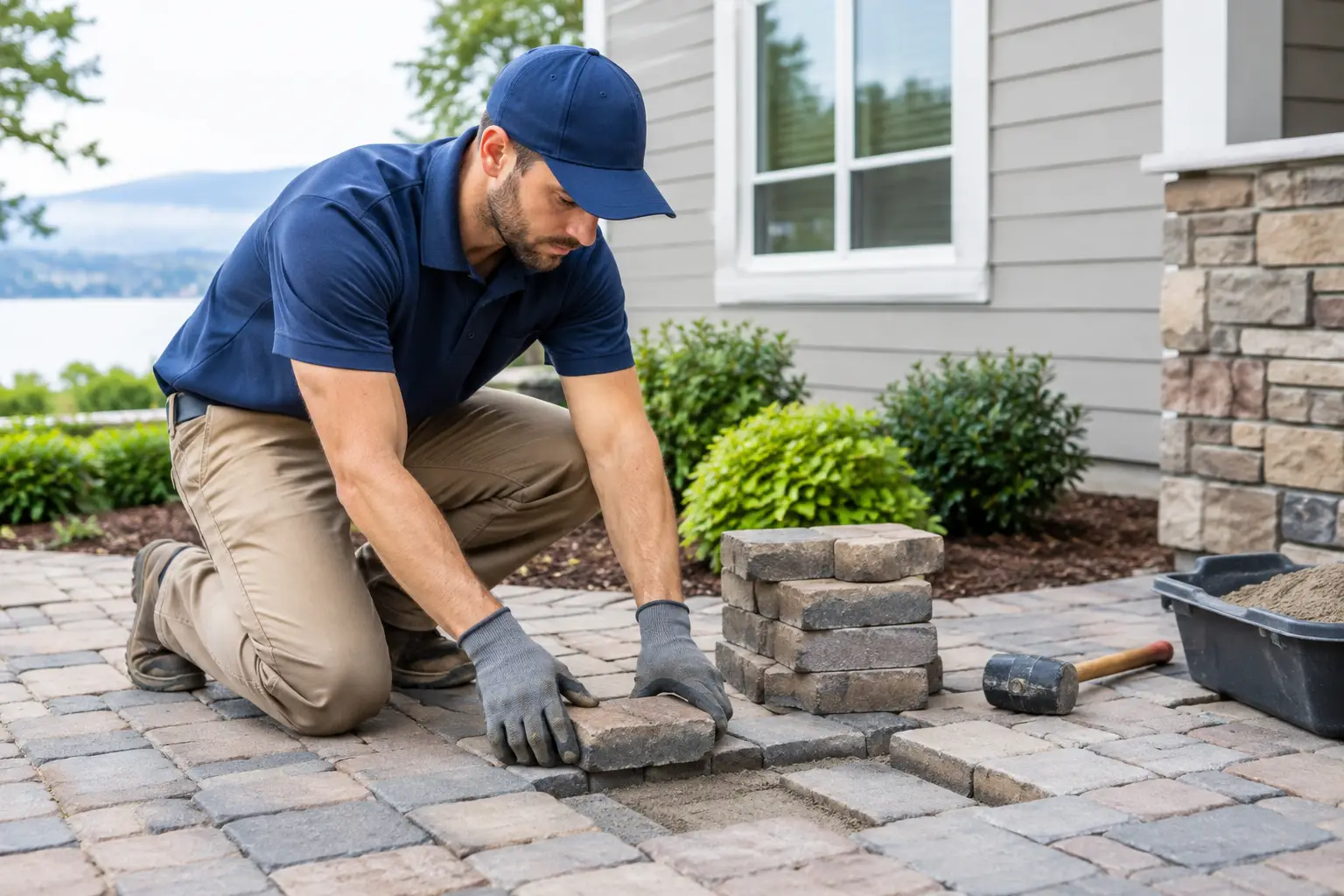
Paver Repair Options for Portland Area Homes
Compare paver repair options for Portland-area homes, from resetting sunken stones to fixing drainage and rebuilding worn patios, walks, and driveways.
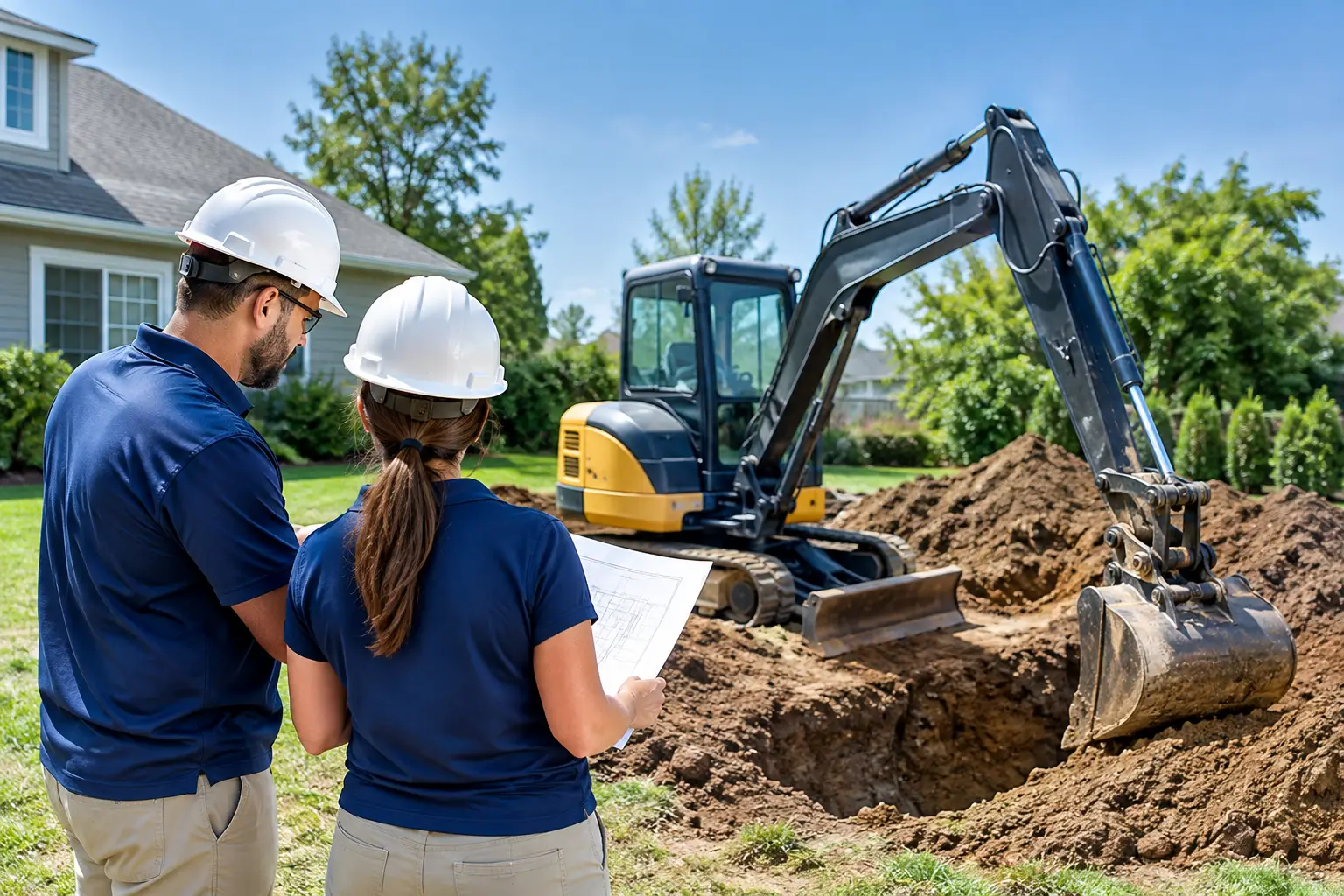
Residential Excavation Planning Guide for Your Yard
Use this residential excavation planning guide to prepare your Portland-area yard for drainage, patios, retaining walls, and lasting outdoor construction.
Do Retaining Walls Need Permits in Portland?
Do retaining walls need permits in Portland? Learn what height, drainage, location, and engineering rules affect your Oregon project before construction.