Modern business website template showcasing service details and customer engagement.

Concrete Slabs for Residential Projects

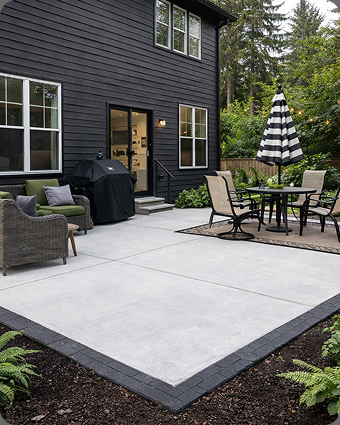
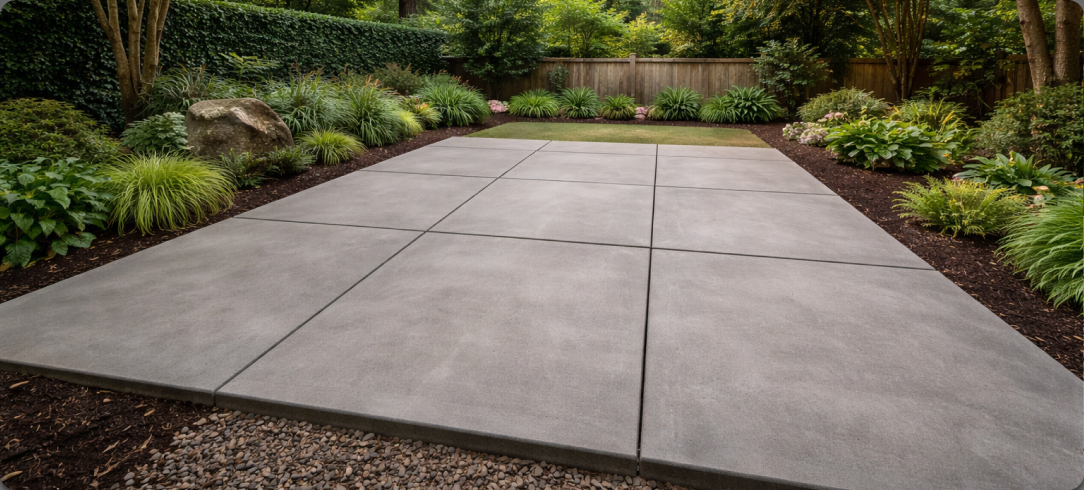
Concrete slabs provide a stable, level foundation for outdoor features and structures. Homeowners often consider slab installation when building patios, walkways, sheds, or supporting outdoor equipment. A well-installed slab helps prevent shifting, cracking, and drainage issues over time.

At Four Seasons Landscape & Construction, our team handles the planning, site preparation, and installation of concrete slabs for a variety of residential needs. We assess the site, manage excavation and grading, set forms, pour concrete, and finish the surface to meet the requirements of your project. The result is a durable, low-maintenance base that supports your outdoor improvement plans and adds value to your property.

Illustration of a modern business website showcasing service details and customer engagement.
When to Install a Concrete Slab

Concrete slabs are needed when you require a flat, solid surface for patios, walkways, hot tubs, sheds, or outdoor kitchens. They are also used as a base for heavy equipment or as part of larger backyard renovations.

What the Process Involves

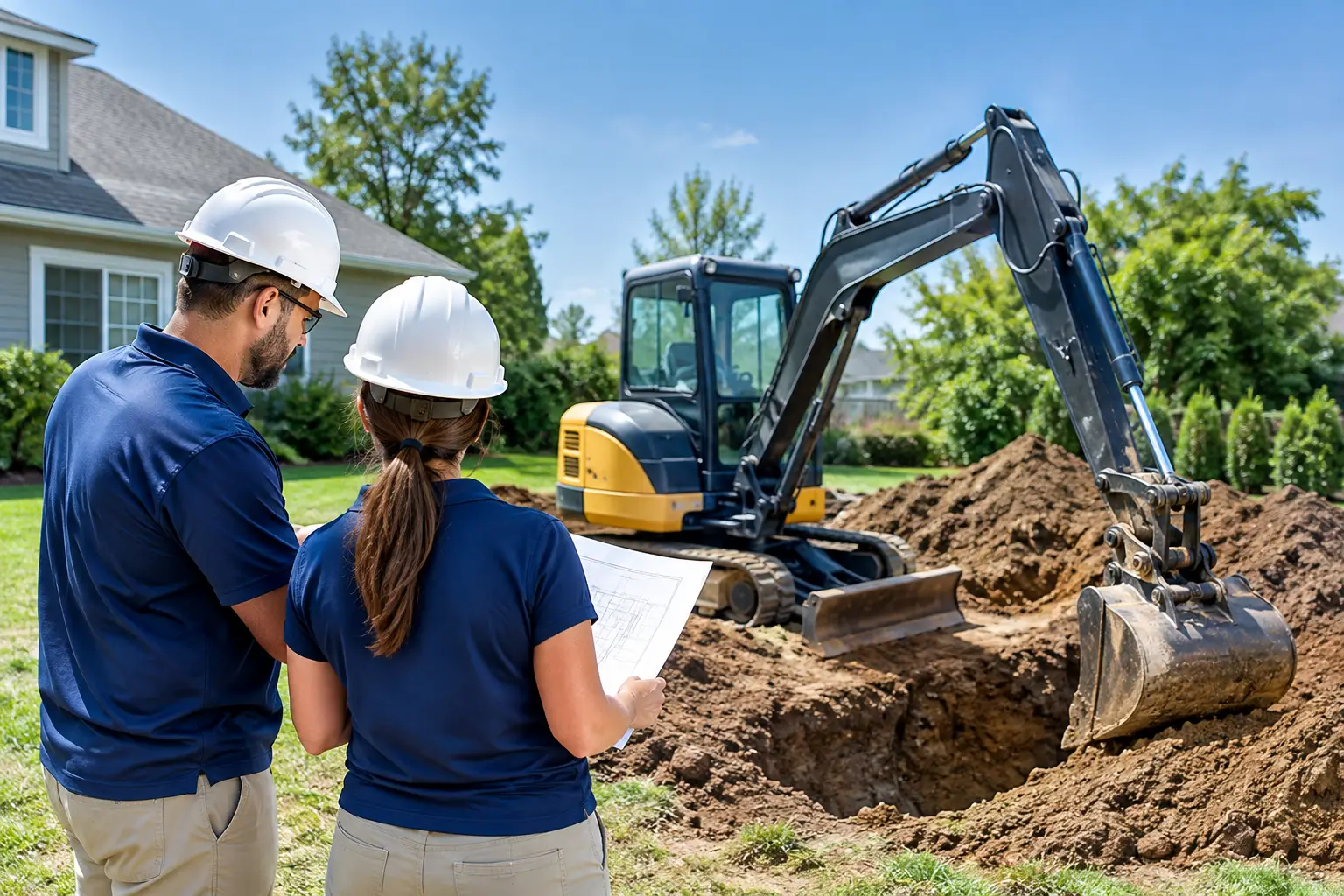
The process starts with evaluating the site and preparing the ground. This may include excavation, grading, and compacting the soil. Forms are set to define the slab’s shape and thickness. Concrete is then poured, leveled, and finished for a smooth, durable surface.

What to Expect from the Finished Slab

A finished concrete slab offers a strong, even surface that resists settling and water damage. It provides a reliable foundation for outdoor living spaces, structures, or equipment, making your property more functional and easier to maintain.

Frequently Asked Questions

Q. What types of outdoor projects typically require a concrete slab?
Concrete slabs are often used for patios, walkways, driveways, and as foundations for outdoor structures or equipment. They provide a stable, level surface where additional strength and long-term durability are needed.
Q. How is the thickness and reinforcement of a concrete slab determined?
The thickness and reinforcement depend on the intended use, expected weight loads, and soil conditions. During planning, factors like subgrade stability, drainage, and the type of structure or equipment being supported are evaluated to recommend the right specifications.
Q. Why is proper site preparation important before pouring a concrete slab?
Proper site preparation ensures the ground is stable, well-drained, and compacted, which helps prevent cracking, settlement, and water-related issues. Good preparation supports the long-term performance of the slab.
Q. What can be done to reduce the risk of cracking in a concrete slab?
Using the correct mix, adding reinforcement such as rebar or wire mesh, and allowing for proper curing all help reduce cracking risk. Control joints are also placed to manage natural expansion and contraction.
Q. How does drainage affect the performance of a concrete slab in outdoor areas?
Proper drainage prevents water from pooling under or around the slab, which can cause movement or erosion over time. Site grading and drainage systems are often included in the project to protect the slab’s stability.

Start Your Project Today

Get a Free Quote

    How to Begin

    What Happens Next

    Use this form to share details about your landscaping or outdoor construction project, or to ask questions about our residential services. You may also reach us by phone or email if that is easier for you.

    After you send your information, a team member will contact you to discuss your project and outline the next steps.

    0 +

    Project 

    0 %

    Customer Feedback

    Recent News and Helpful Guides

    Outdoor Landscaping Tips and Planning Resources

    Scroll to Top