Modern business website template showcasing service details and customer engagement.

Redirect Water Away from Your Home and Yard

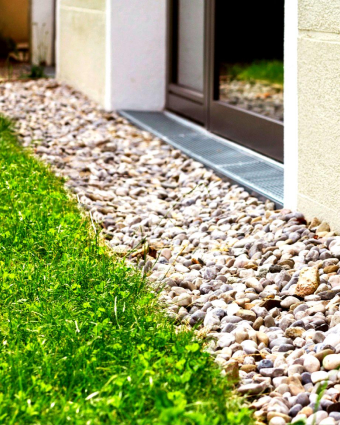
Persistent puddles, soggy lawns, or water pooling near your foundation can cause long-term property damage. French drain installation addresses these issues by moving excess water away from problem areas. This service is often considered when drainage problems threaten basements, crawl spaces, or landscaped areas.

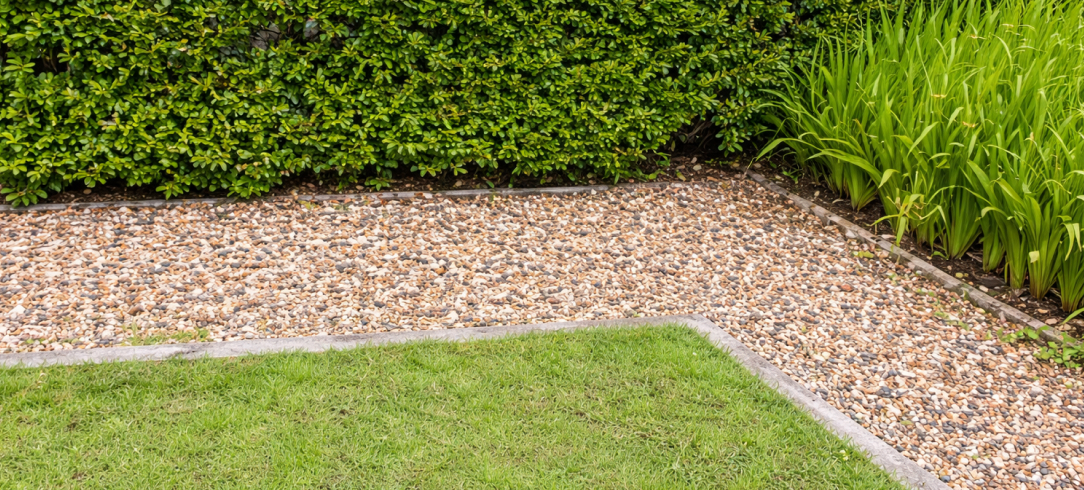
The process starts with a site evaluation to identify where water collects and the best route for drainage. A trench is dug, lined with fabric, and filled with gravel and a perforated pipe. The system is then covered and finished so it blends into your yard. The result is a more usable, drier outdoor space and protection for your home’s structure.

Illustration of a modern business website showcasing service details and customer engagement.
Common Reasons to Install a French Drain

Standing water after rain, wet spots that never dry out, or water seeping into basements are typical reasons homeowners choose a French drain. Sloped yards that direct water toward the house or low areas that collect runoff can also benefit from this solution.

What to Expect During Installation

Installation usually involves trenching along the affected area, placing a perforated pipe, and backfilling with gravel. The system is designed to direct water away from your home or landscape features, reducing erosion and moisture problems.

Planning Your Drainage Project

A careful assessment of your yard’s layout, soil type, and drainage patterns is important. Planning ensures the French drain is placed where it will be most effective and minimizes disruption to your landscaping.

Frequently Asked Questions

Q. What is a French drain and how does it help with yard drainage?
A French drain is a gravel-filled trench with a perforated pipe that redirects subsurface water away from problem areas. It helps prevent pooling, soggy soil, and water collecting near foundations or landscaping by moving water to a safe discharge location.
Q. How do I know if my Beaverton property needs a French drain?
Signs that a French drain may be needed include persistent wet spots, muddy areas, or water collecting near your home or landscaping after rain. A site evaluation can determine if subsurface water is causing these issues and if a French drain is the right solution.
Q. Where is the best place to install a French drain on my property?
The ideal location for a French drain depends on how water moves across your yard, soil conditions, and the layout of your landscaping. An assessment will identify low spots, slopes, and safe discharge areas to design a system that addresses drainage without creating new issues.
Q. Will a French drain affect my existing landscaping or outdoor features?
French drain installation may require trenching through parts of your yard, but careful planning can minimize disruption to lawns, gardens, or hardscapes. The system can be integrated with existing landscaping and restored after installation.
Q. How do I maintain a French drain to keep it working properly?
Regular inspection of the drain outlet and surrounding area helps ensure water flows freely. Over time, sediment or roots can affect performance, so periodic checks and cleaning may be needed to maintain drainage.

Start Your Project Today

Get a Free Quote

    How to Begin

    What Happens Next

    Use this form to share details about your landscaping or outdoor construction project, or to ask questions about our residential services. You may also reach us by phone or email if that is easier for you.

    After you send your information, a team member will contact you to discuss your project and outline the next steps.

    0 +

    Project 

    0 %

    Customer Feedback

    Recent News and Helpful Guides

    Outdoor Landscaping Tips and Planning Resources

    Scroll to Top