Modern business website template showcasing service details and customer engagement.

Retaining Walls for Sloped Yards and Erosion Control

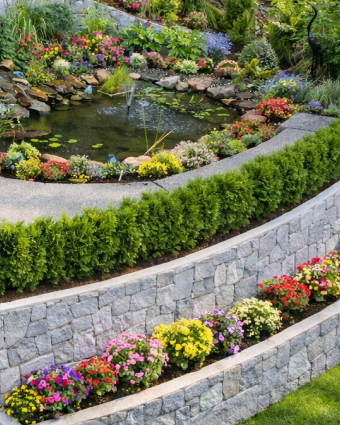
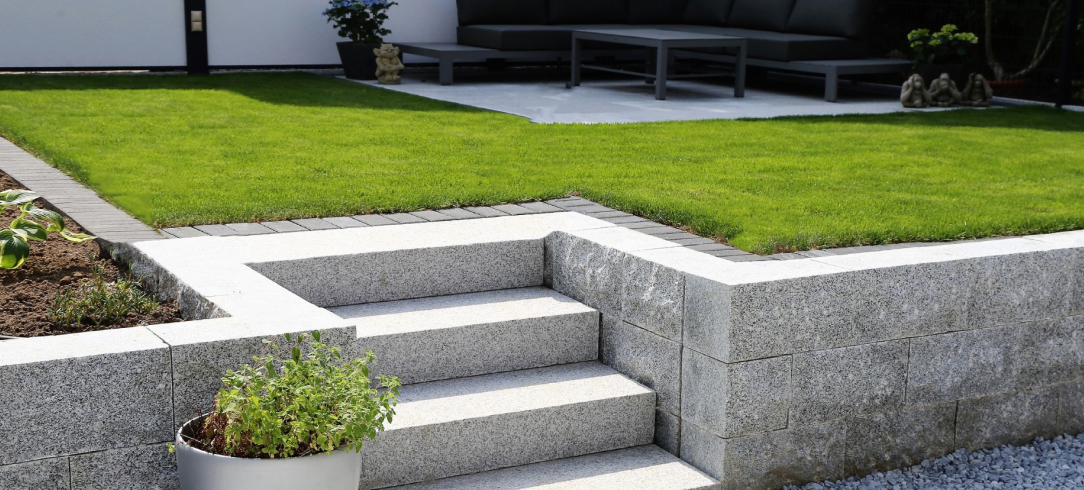
Properties with uneven ground or sloped yards often need retaining walls to prevent soil movement and create level areas for outdoor use. Retaining walls are commonly installed when soil erosion becomes a problem, or when homeowners want to add flat spaces for patios, gardens, or play areas. The process typically involves site evaluation, design planning, excavation, and construction using materials like concrete blocks, stone, or pavers. A well-built retaining wall stabilizes the landscape and provides a long-lasting solution for grade changes around the home.

Illustration of a modern business website showcasing service details and customer engagement.
When to Consider a Retaining Wall

Retaining walls are often needed when a property has steep slopes, exposed soil, or drainage issues. These structures help hold back earth, reduce runoff, and create usable flat areas in the yard.

What the Work Involves

Building a retaining wall includes planning, material selection, excavation, and installation of the wall structure. Proper drainage and a solid foundation are important to ensure the wall performs well over time.

Project Planning Considerations

Planning a retaining wall project means considering the height, length, and location of the wall. It's important to address water flow, soil type, and how the new wall will fit with other landscaping features.

Frequently Asked Questions

Q. Why might my Beaverton property need a retaining wall?
Retaining walls are often used on sloped lots to hold back soil, reduce erosion, and create level areas for landscaping or outdoor living spaces. They can help improve yard usability and prevent soil movement that may affect plantings or structures.
Q. What materials are commonly used for residential retaining walls?
Residential retaining walls are typically built with concrete blocks, natural stone, or poured concrete. The choice of material depends on the desired appearance, wall height, and structural requirements for your property.
Q. How does drainage affect the performance of a retaining wall?
Proper drainage is essential for retaining wall stability. Drainage systems behind the wall help relieve water pressure and prevent soil saturation, which reduces the risk of wall movement or failure over time.
Q. Can retaining walls be integrated with other landscaping features?
Yes, retaining walls can be designed to include stairs, garden beds, or seating areas. Integrating these features can improve both the function and appearance of your outdoor space.
Q. What maintenance is required for a residential retaining wall?
Most retaining walls require occasional inspection for signs of movement, drainage issues, or surface wear. Keeping drains clear and addressing minor repairs early can help preserve the wall’s stability and appearance.

Start Your Project Today

Get a Free Quote

    How to Begin

    What Happens Next

    Use this form to share details about your landscaping or outdoor construction project, or to ask questions about our residential services. You may also reach us by phone or email if that is easier for you.

    After you send your information, a team member will contact you to discuss your project and outline the next steps.

    0 +

    Project 

    0 %

    Customer Feedback

    Recent News and Helpful Guides

    Outdoor Landscaping Tips and Planning Resources

    Scroll to Top