Modern business website template showcasing service details and customer engagement.

Durable Concrete Patios for Lasting Outdoor Spaces

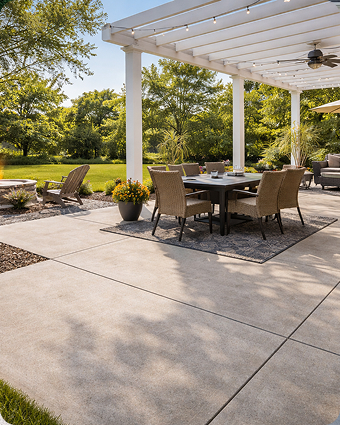
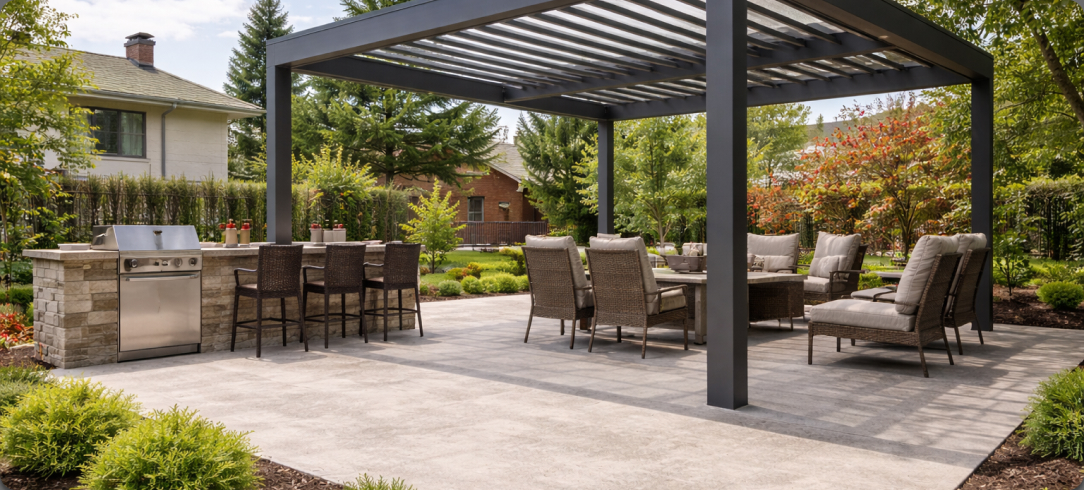
Concrete patios offer a solid, low-maintenance surface for outdoor seating, dining, and gathering spaces. Many homeowners choose poured concrete when they want a patio that stands up to weather, heavy use, and changing seasons without shifting or settling. The installation process typically includes site preparation, grading, forming, and professional pouring to ensure a level, long-lasting finish. A well-built concrete patio can help define backyard areas, improve property value, and create a comfortable place to enjoy outdoor living.

Illustration of a modern business website showcasing service details and customer engagement.
When to Consider a Concrete Patio

Concrete patios are a strong choice for properties needing a continuous, even surface that resists weeds and shifting. They are often selected for backyards where pavers or gravel may not provide enough stability or when a seamless look is preferred.

What the Installation Involves

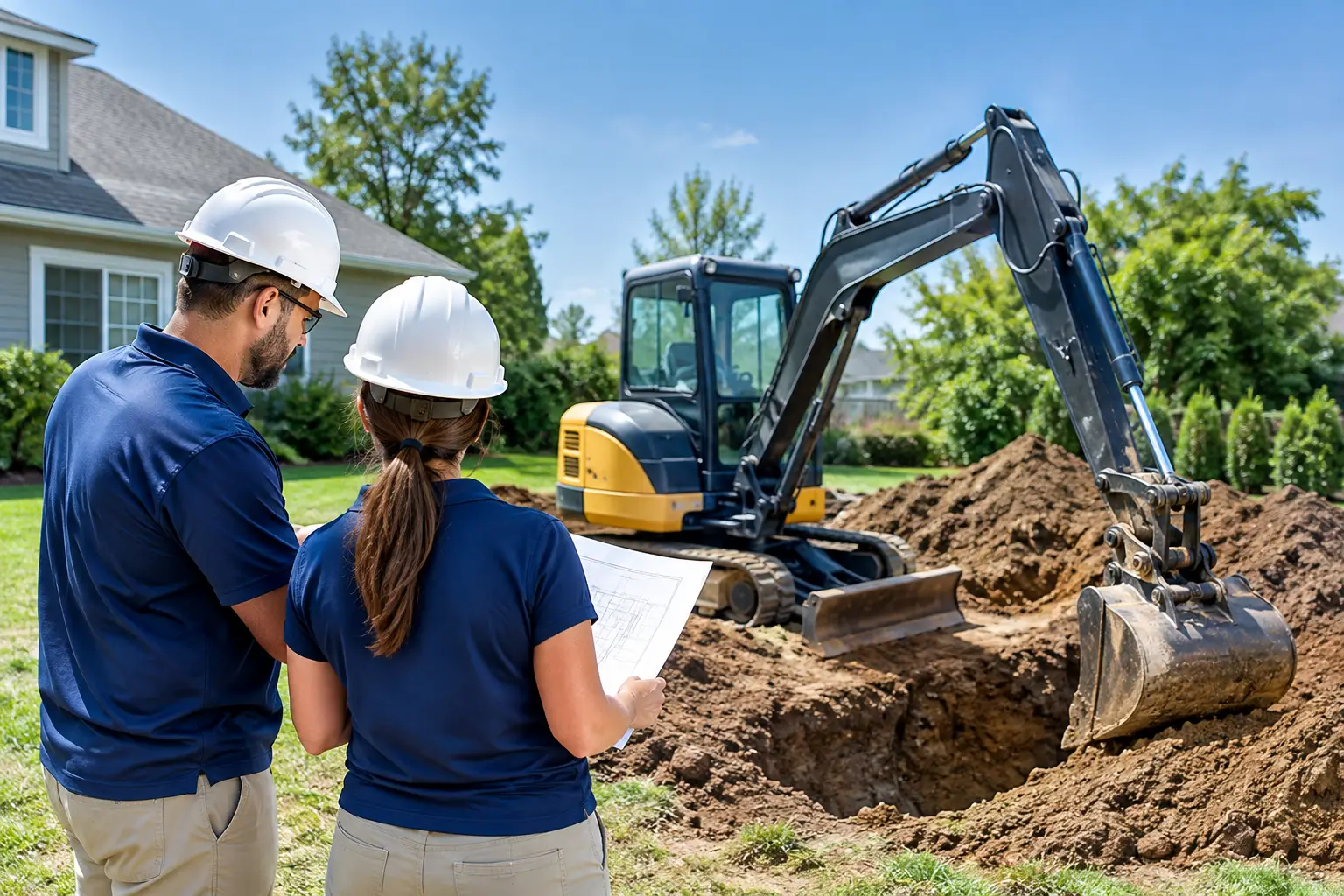
The process starts with site evaluation and grading to ensure proper drainage. Forms are set to outline the patio shape, then concrete is poured and finished for a smooth or textured surface. Expansion joints and curing help prevent cracks and extend the life of the patio.

Project Planning and Options

Homeowners can choose from different finishes, such as broom, stamped, or exposed aggregate, to match the style of their outdoor space. Planning may also include steps, borders, or integration with walkways and landscaping features.

Frequently Asked Questions

Q. What are the main benefits of choosing a concrete patio for my backyard?
Concrete patios offer a smooth, stable surface that works well for outdoor seating, dining, and entertaining. They are durable, require minimal maintenance, and can be finished in various textures or patterns to suit your outdoor space.
Q. How does a concrete patio compare to pavers or flagstone?
Concrete patios provide a continuous surface with fewer joints, making them easier to clean and maintain than pavers or flagstone. While paver and flagstone patios offer a different look, concrete is often chosen for its uniform appearance and long-term durability.
Q. What steps are involved in installing a concrete patio?
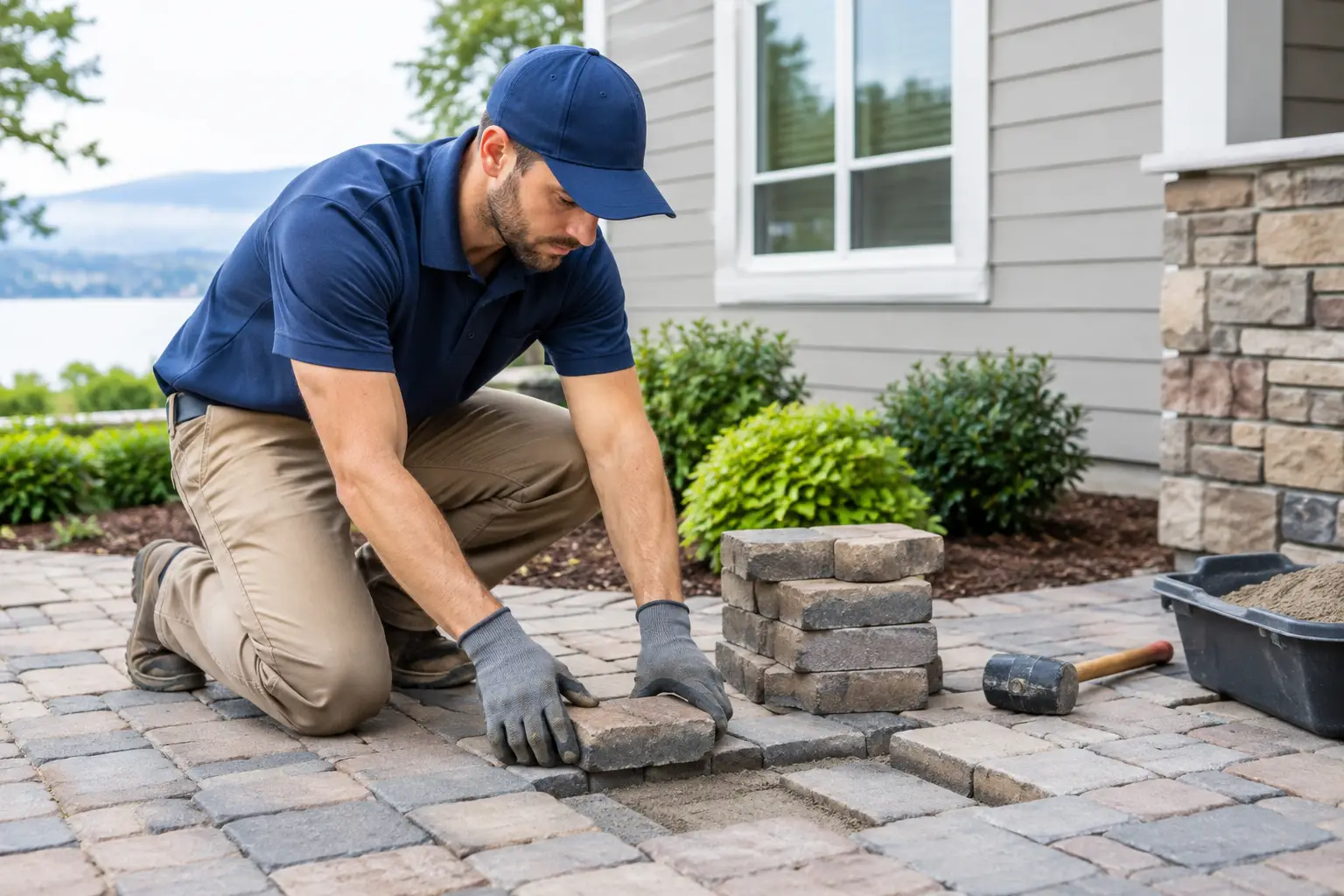
Installation typically includes site evaluation, excavation, base preparation, reinforcement, pouring the concrete, and finishing the surface. Proper planning ensures the patio is level, drains correctly, and meets the needs of your outdoor space.
Q. How is cracking managed in a concrete patio?
Cracking is controlled by placing joints at planned locations, which help direct natural movement in the concrete. Using proper reinforcement and following recommended installation practices also reduces the risk of unwanted cracks.
Q. What maintenance does a concrete patio require over time?
Concrete patios benefit from regular cleaning and periodic sealing to protect against moisture and surface wear. Inspecting for cracks and addressing them early helps maintain the patio’s appearance and durability.

Start Your Project Today

Get a Free Quote

    How to Begin

    What Happens Next

    Use this form to share details about your landscaping or outdoor construction project, or to ask questions about our residential services. You may also reach us by phone or email if that is easier for you.

    After you send your information, a team member will contact you to discuss your project and outline the next steps.

    0 +

    Project 

    0 %

    Customer Feedback

    Recent News and Helpful Guides

    Outdoor Landscaping Tips and Planning Resources

    Scroll to Top