Modern business website template showcasing service details and customer engagement.

Upgrade Your Outdoor Living With a Paver Patio

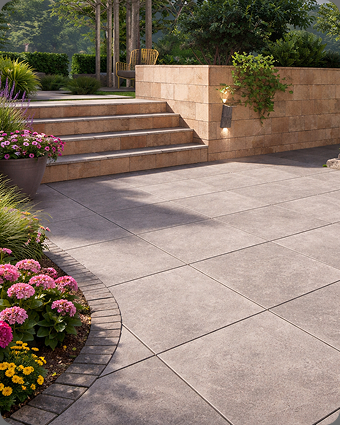
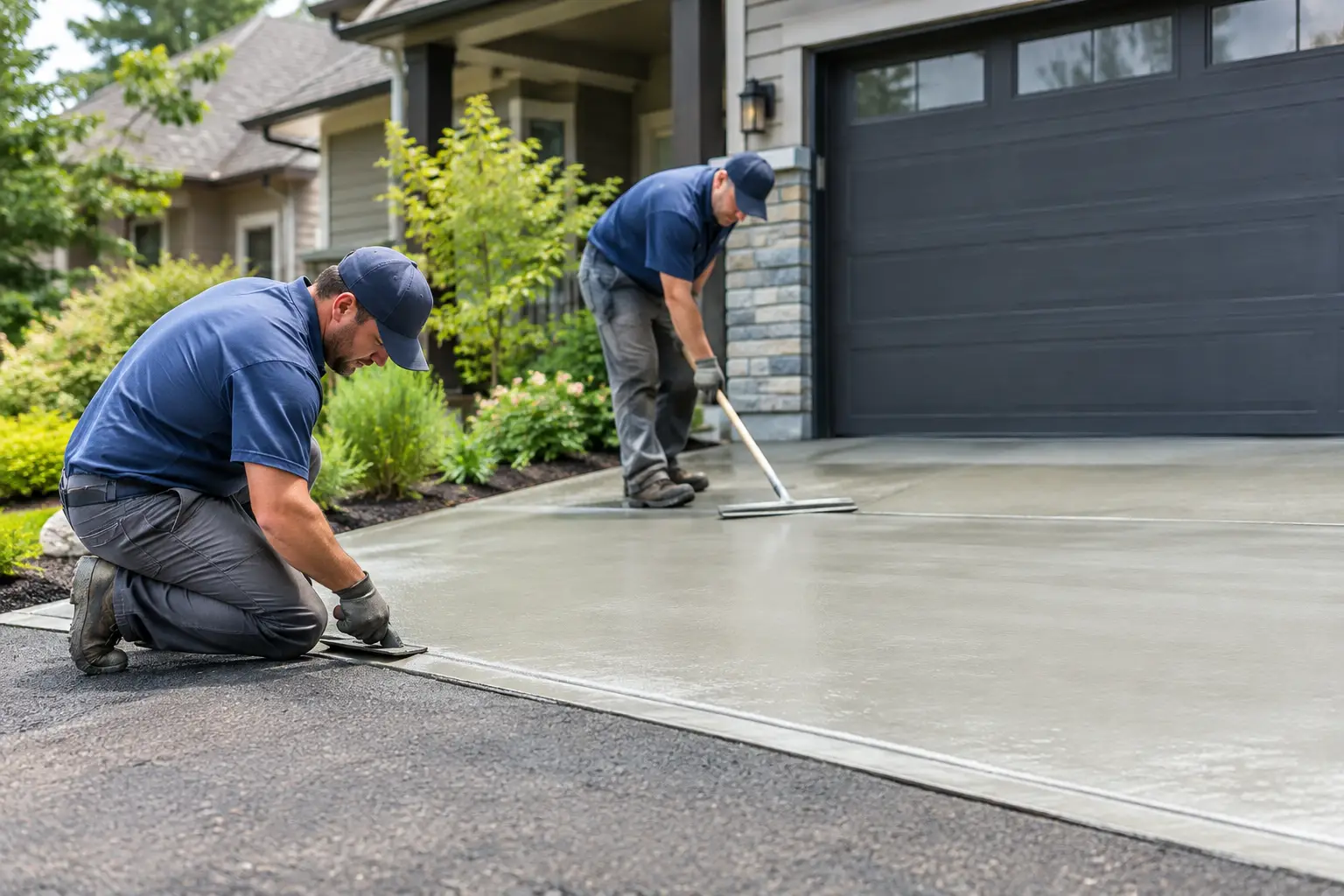
Worn or uneven patio surfaces can make outdoor spaces less inviting and harder to use. Many homeowners in Beaverton choose paver patio installation when replacing cracked concrete, updating old decks, or building new seating areas. Interlocking pavers create a durable, level surface that stands up to weather and daily use.

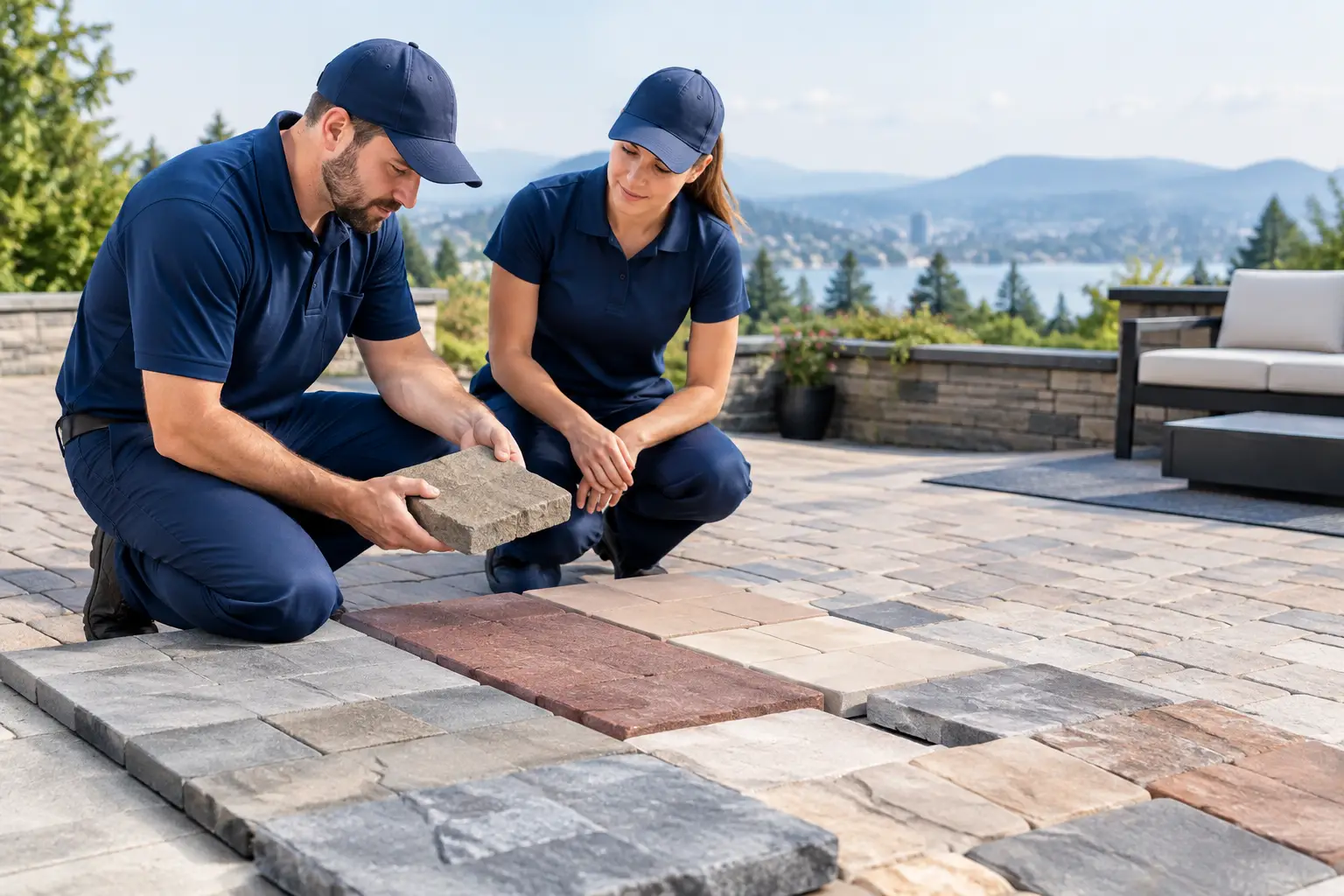
Planning a paver patio involves selecting the right materials, preparing the site, and ensuring proper drainage. The process includes removing old surfaces, grading the area, installing a stable base, and laying pavers in the chosen pattern. The finished patio provides a comfortable, attractive place for outdoor dining, gatherings, or relaxing in your backyard.

Illustration of a modern business website showcasing service details and customer engagement.
When to Consider a Paver Patio

A paver patio is often chosen when existing surfaces are cracked, uneven, or no longer meet your needs. It’s also a good option for creating new outdoor living areas or replacing high-maintenance decks and concrete.

What the Installation Involves

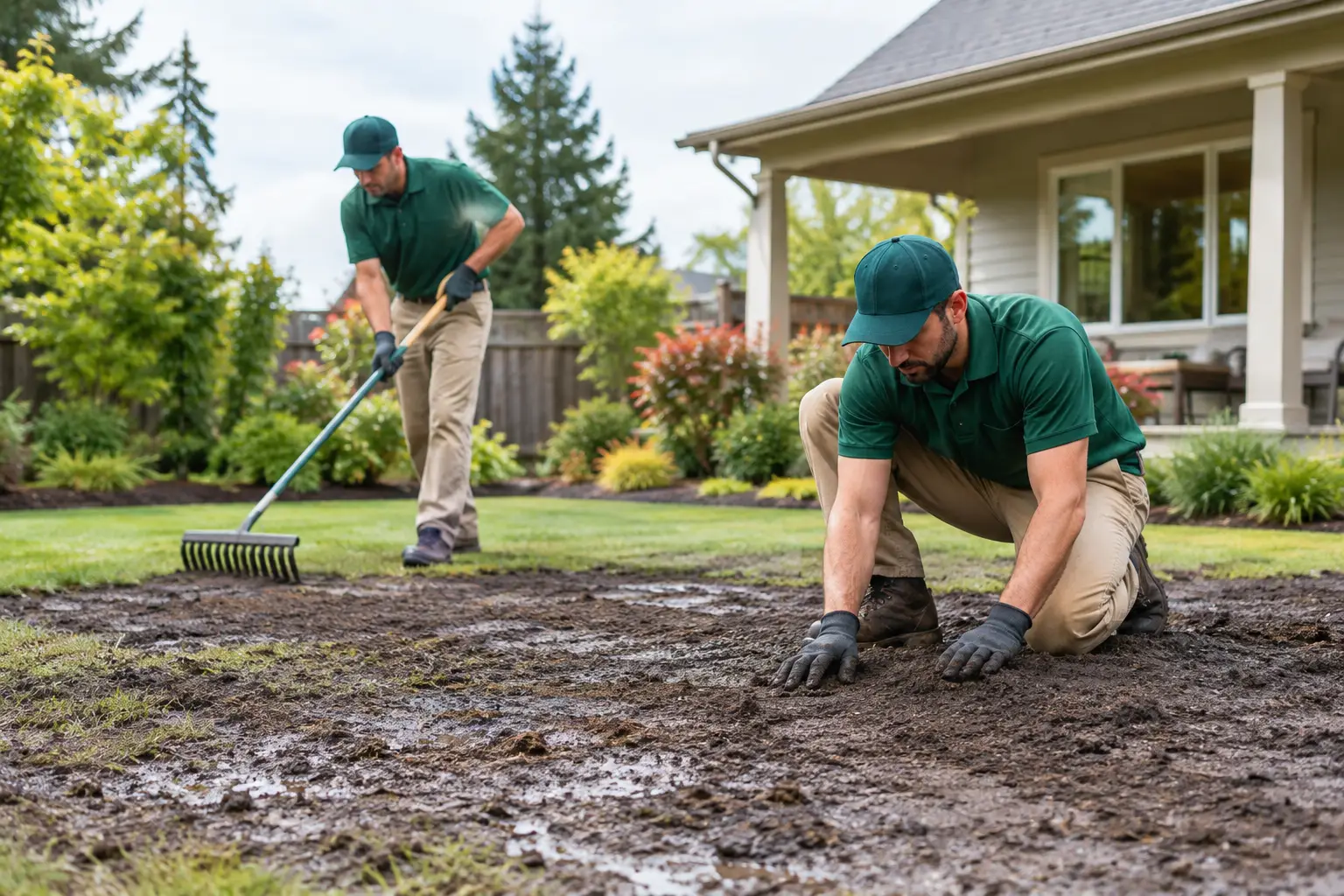
The installation process starts with site evaluation and removal of old materials. The ground is graded and compacted, then a gravel base is installed. Pavers are laid in the selected pattern, and joints are filled to lock them in place.

Benefits for Your Property

A professionally installed paver patio adds usable space and improves the look of your yard. Pavers resist cracking and shifting, making them a long-lasting choice for outdoor seating and entertaining areas.

Frequently Asked Questions

Q. What are the benefits of choosing a paver patio over a concrete patio?
Paver patios offer flexibility for ground movement, which helps prevent cracking. They also allow for easier repairs, as individual pavers can be replaced if damaged.
Q. How is a paver patio installed to ensure long-term stability?
Installation involves proper excavation, a compacted gravel base, sand bedding, and edge restraints. Careful planning and drainage considerations help maintain a level surface and prevent shifting over time.
Q. Will weeds grow between the pavers, and how can this be managed?
Weed growth can occur in the joints, but using polymeric sand and regular maintenance helps minimize this issue. Occasional sweeping and reapplying joint sand can keep the patio looking clean.
Q. How does a paver patio handle moisture and soil movement in the Beaverton area?
Paver systems are designed to allow for minor ground movement and drainage, which helps prevent surface cracking. Proper base preparation and grading are important for managing moisture and supporting long-term performance.
Q. What maintenance is required to keep a paver patio in good condition?
Routine maintenance includes sweeping, occasional rinsing, and checking for joint sand loss. Over time, you may need to add more joint sand or adjust pavers that have shifted to maintain a level surface.


Start Your Project Today

Get a Free Quote

    How to Begin

    What Happens Next

    Use this form to share details about your landscaping or outdoor construction project, or to ask questions about our residential services. You may also reach us by phone or email if that is easier for you.

    After you send your information, a team member will contact you to discuss your project and outline the next steps.

    0 +

    Project 

    0 %

    Customer Feedback

    Recent News and Helpful Guides

    Outdoor Landscaping Tips and Planning Resources

    Scroll to Top