Modern business website template showcasing service details and customer engagement.

Natural Rock Walls for Decorative and Light Retaining Needs

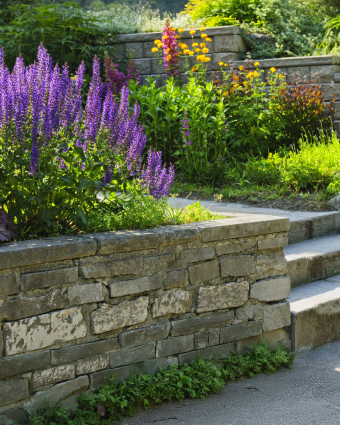
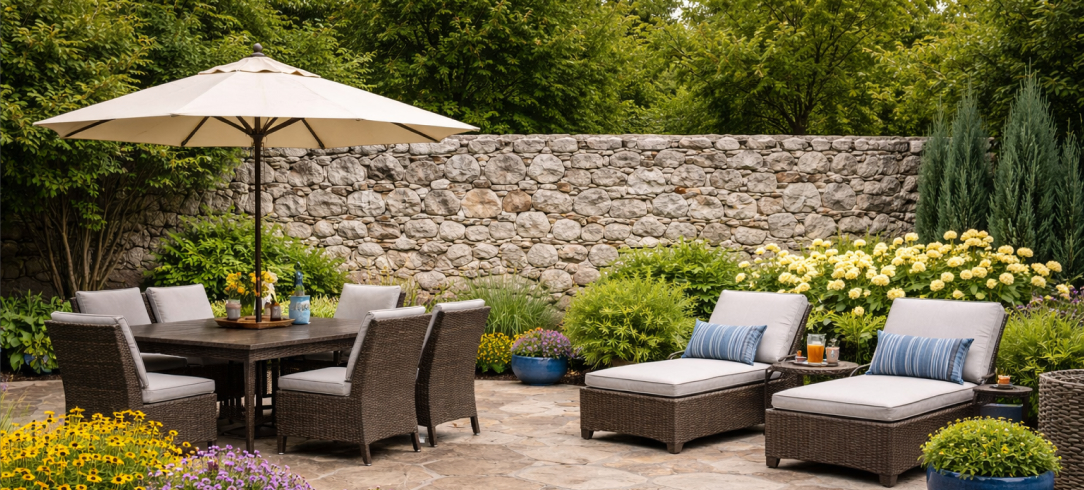
Natural rock walls are often chosen for properties with sloped areas, garden borders, or when a decorative landscape feature is desired. These walls use smaller natural stones stacked to create a rustic look while providing light soil retention or definition between spaces. Many homeowners in Beaverton consider rock walls to manage gentle slopes, prevent minor soil movement, or add visual interest to their yards. The process typically starts with evaluating the site, planning the wall layout, and preparing a stable base. Stones are then placed and fitted by hand to achieve a secure and attractive result. Finished rock walls blend into the landscape and require little maintenance once installed.

Illustration of a modern business website showcasing service details and customer engagement.
When to Consider a Rock Wall

Rock walls are a good fit for properties with mild slopes, garden edges, or areas needing a decorative boundary. They are not suited for supporting large changes in elevation but work well for light retaining needs and landscape accenting.

Planning and Installation

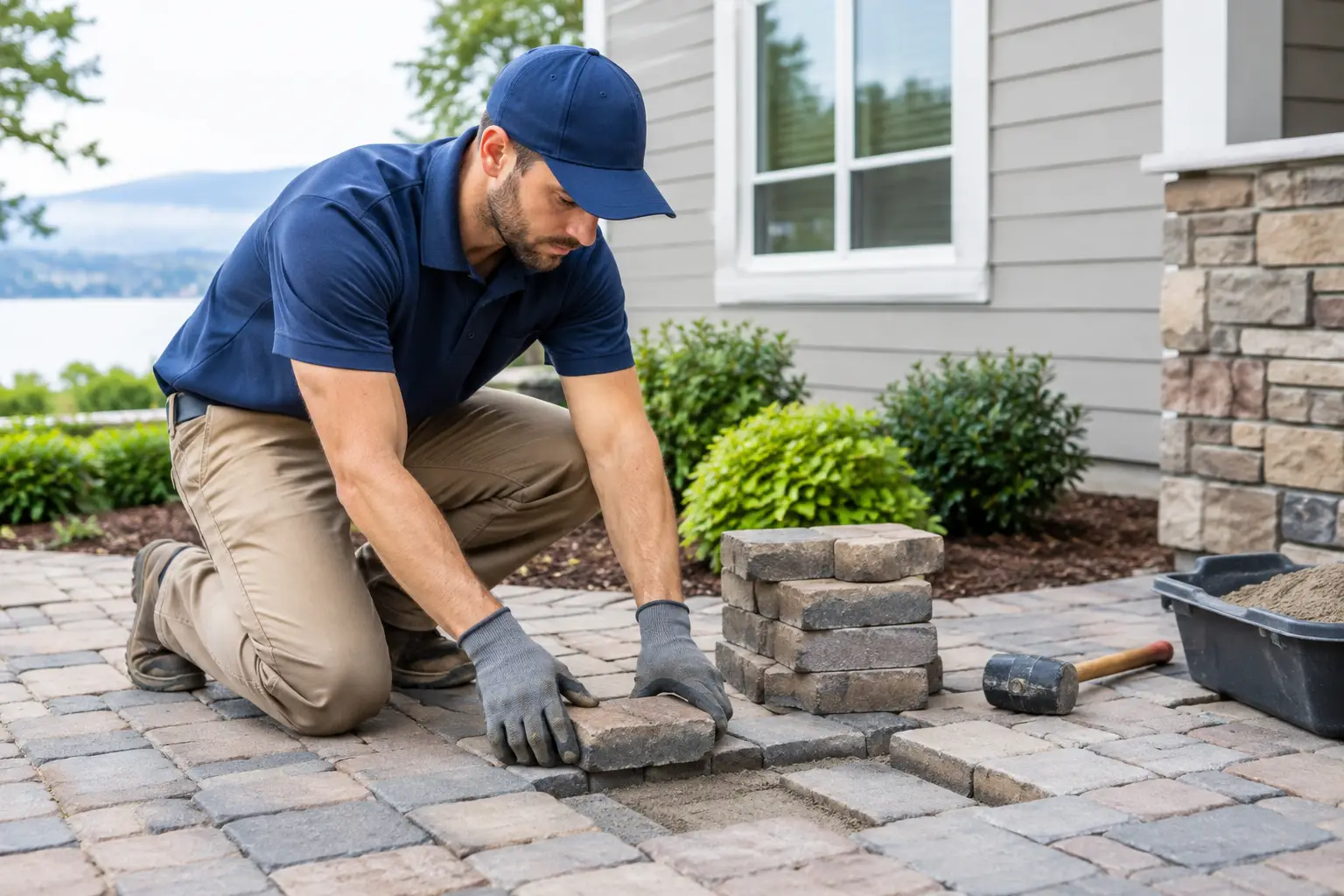
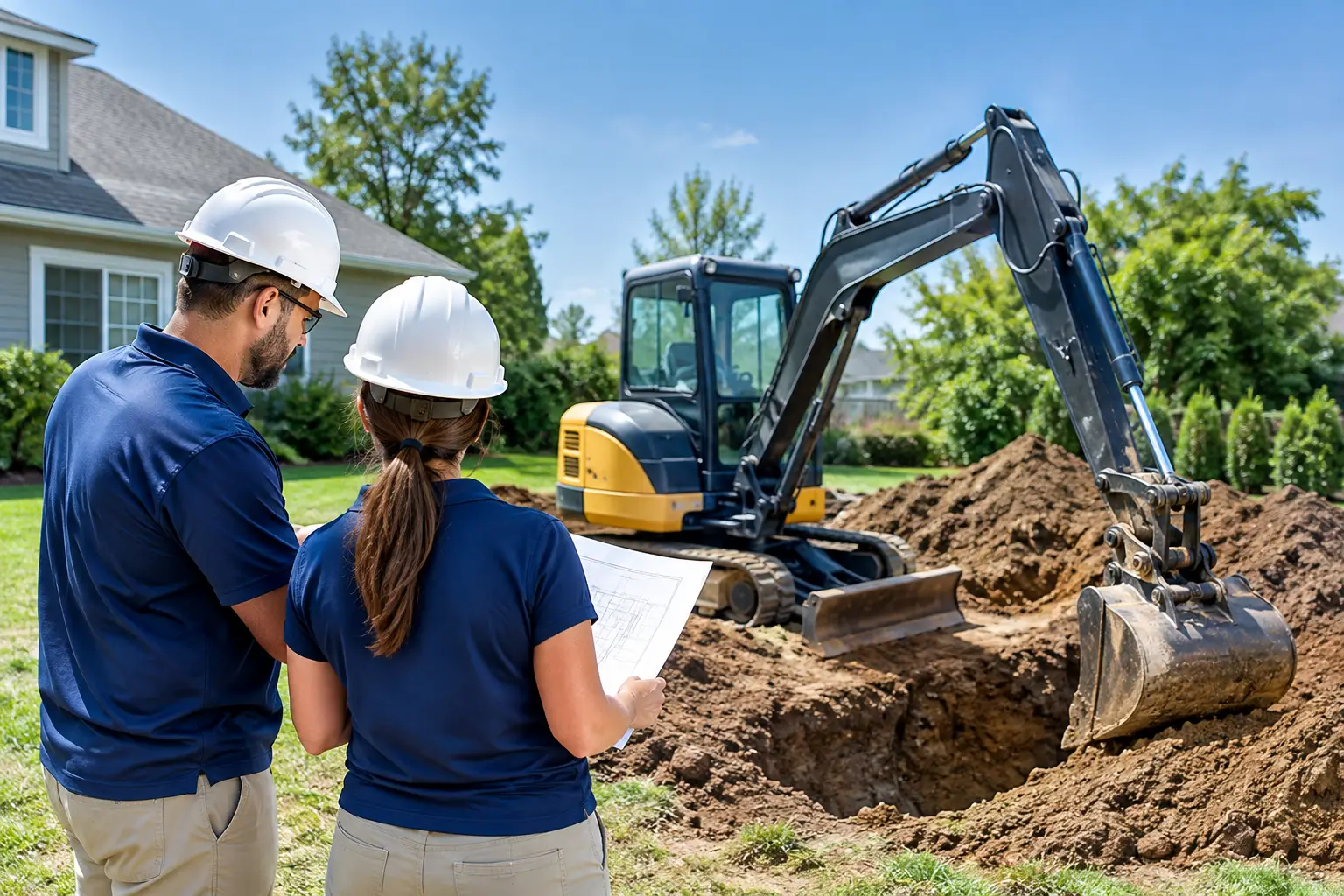
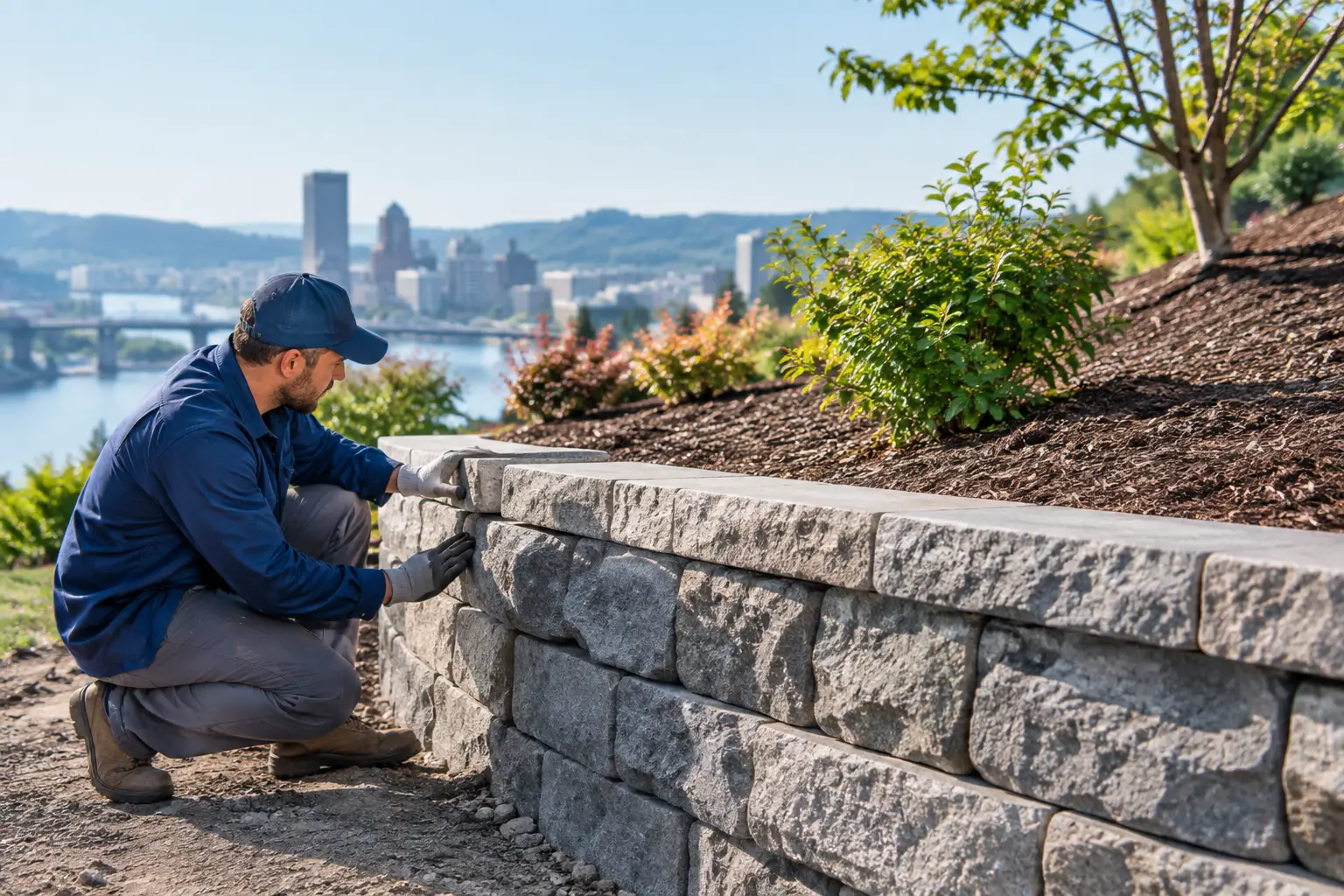
The installation process starts with site evaluation, measuring the area, and preparing a compacted base. Stones are selected for size and shape, then stacked to create a stable structure. Attention to drainage and wall alignment ensures long-term performance.

What to Expect from Your Finished Wall

A completed rock wall offers a natural appearance and helps define spaces in your yard. It can support small planting beds, outline walkways, or add character to your landscape. The result is a durable feature that complements your property.

Frequently Asked Questions

Q. What are the main benefits of installing a rock wall in my Beaverton yard?
Rock walls can help manage small changes in elevation, define garden beds or outdoor spaces, and add natural stone accents to your landscape. They are often chosen for their ability to blend with existing plantings and provide a durable, low-profile retaining or boundary solution.
Q. How is stability ensured when building a rock wall on residential properties?
Stability is achieved by selecting the right stone size, preparing a solid base, and stacking the stones carefully. In some cases, additional reinforcement or drainage features are included to support the wall and manage water flow.
Q. Will my rock wall need a drainage system behind it?
Most rock walls benefit from some form of drainage to relieve water pressure and prevent erosion. Depending on the wall's height and location, options like gravel backfill or small drainage pipes may be recommended.
Q. How does a rock wall tie into other landscaping features?
A rock wall can be integrated with patios, planting beds, or pathways to create a cohesive outdoor design. Careful planning ensures the wall fits with existing grades and complements nearby landscape elements.
Q. What maintenance is required to keep a rock wall looking good over time?
Routine checks for stone movement, erosion at the base, and buildup of debris are helpful. Addressing minor settling or shifting early and managing nearby plant growth can help maintain the wall’s appearance and stability.

Start Your Project Today

Get a Free Quote

    How to Begin

    What Happens Next

    Use this form to share details about your landscaping or outdoor construction project, or to ask questions about our residential services. You may also reach us by phone or email if that is easier for you.

    After you send your information, a team member will contact you to discuss your project and outline the next steps.

    0 +

    Project 

    0 %

    Customer Feedback

    Recent News and Helpful Guides

    Outdoor Landscaping Tips and Planning Resources

    Scroll to Top