
Excavation
Our Services
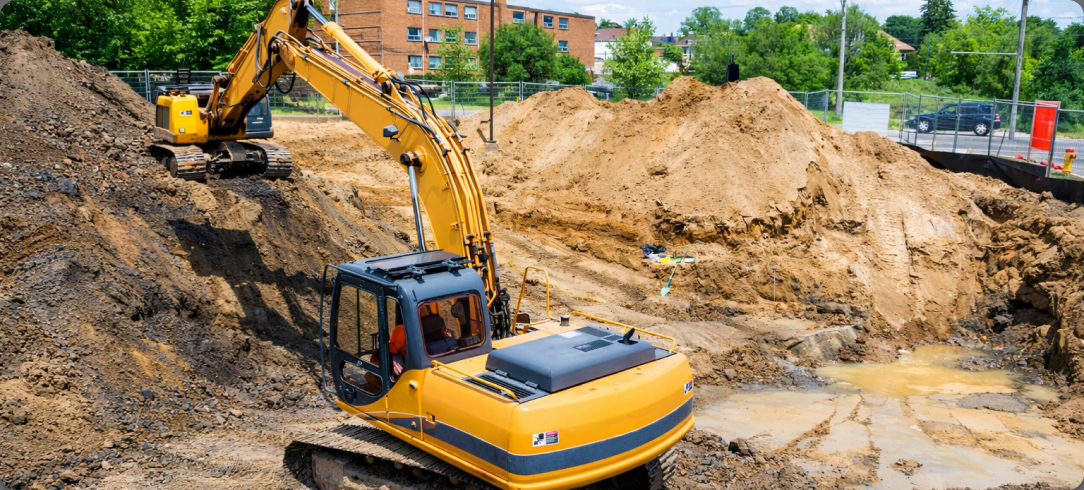
Preparing Your Property for Outdoor Construction
Excavation and site preparation are essential steps when starting any major landscaping or outdoor construction project. Homeowners often need excavation for new patios, retaining walls, drainage systems, or when reshaping uneven yards. This work may involve removing soil, grading the land, digging trenches, or preparing stable foundations for hardscapes and structures.
Proper site preparation helps prevent drainage issues, supports long-lasting installations, and creates a solid base for landscaping improvements. The process typically starts with a site evaluation, followed by marking out work areas, removing debris or vegetation, and using equipment to move soil or shape the ground as needed. Each project is planned to match the property’s layout and the requirements of the planned improvements.
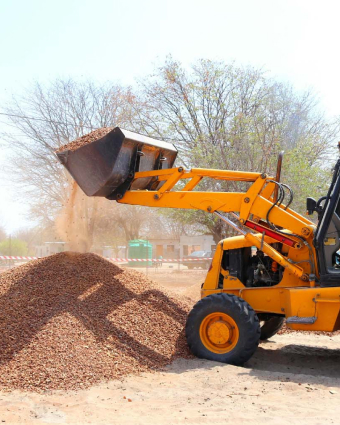
When Excavation Is Needed
Excavation is often required when installing patios, retaining walls, or drainage systems, or when correcting sloped or uneven areas. It is also necessary for new lawn installation, garden beds, or preparing for concrete and masonry work.
What the Process Involves
The process typically includes removing unwanted soil, grading the area for proper water flow, and digging trenches or foundations as needed. Equipment is used to ensure accuracy and efficiency, and the site is prepared to support the next phase of construction.
Benefits of Professional Site Preparation
Professional excavation helps prevent drainage problems, supports stable construction, and ensures landscaping features last. Careful planning and skilled work reduce the risk of settling, erosion, or water pooling around your home.
Frequently Asked Questions
Q. What types of residential projects in Beaverton might require excavation services?
Q. How is the depth and area of excavation determined for my landscaping project?
Q. What steps are taken to protect my property and surrounding areas during excavation?
Q. How is the excavated soil and debris handled after the work is completed?
Q. Can excavation be coordinated with other landscaping or outdoor construction work?
Start Your Project Today
Get a Free Quote
How to Begin
What Happens Next
Use this form to share details about your landscaping or outdoor construction project, or to ask questions about our residential services. You may also reach us by phone or email if that is easier for you.
After you send your information, a team member will contact you to discuss your project and outline the next steps.
Project
Customer Feedback
Recent News and Helpful Guides
Outdoor Landscaping Tips and Planning Resources
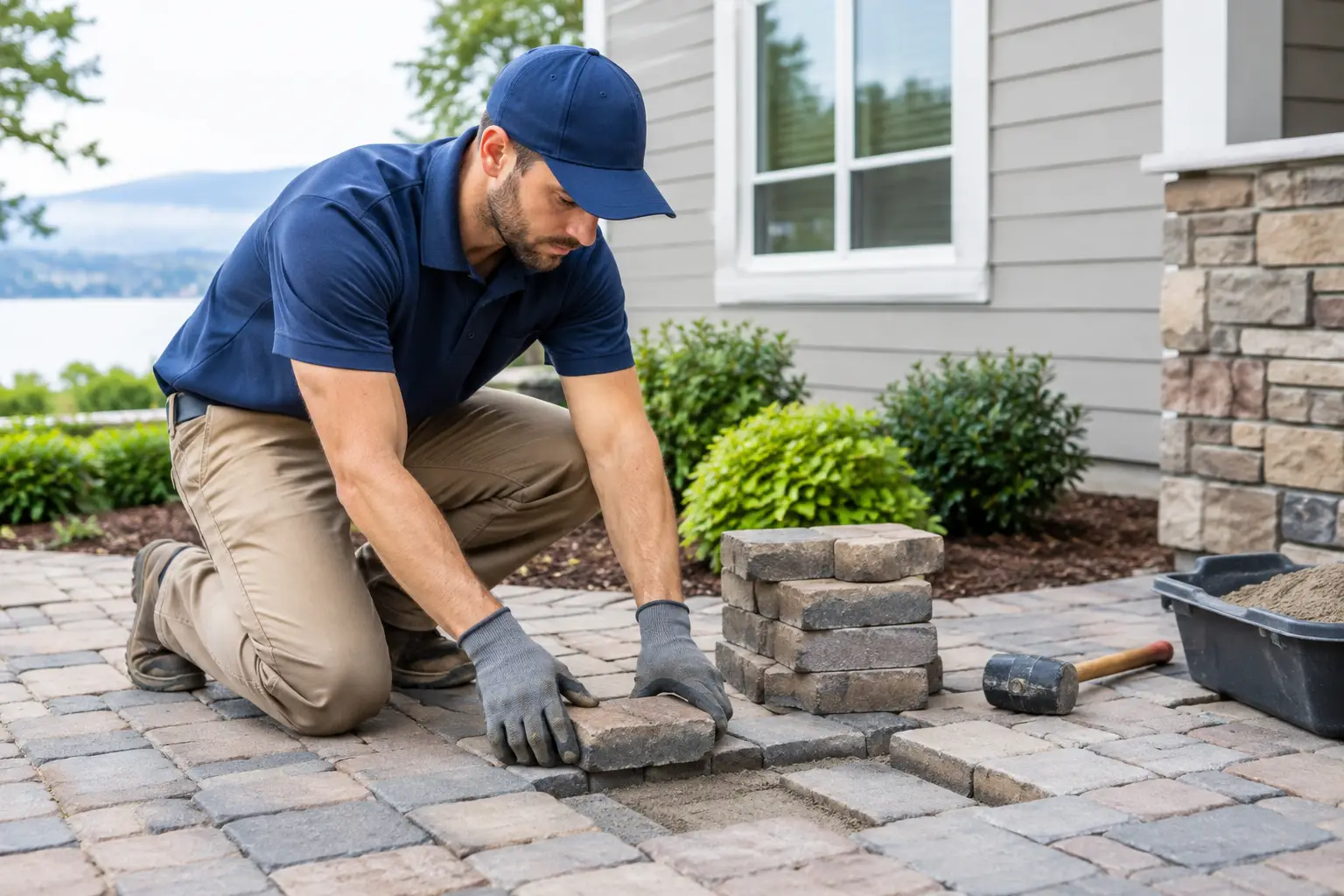
Paver Repair Options for Portland Area Homes
Compare paver repair options for Portland-area homes, from resetting sunken stones to fixing drainage and rebuilding worn patios, walks, and driveways.
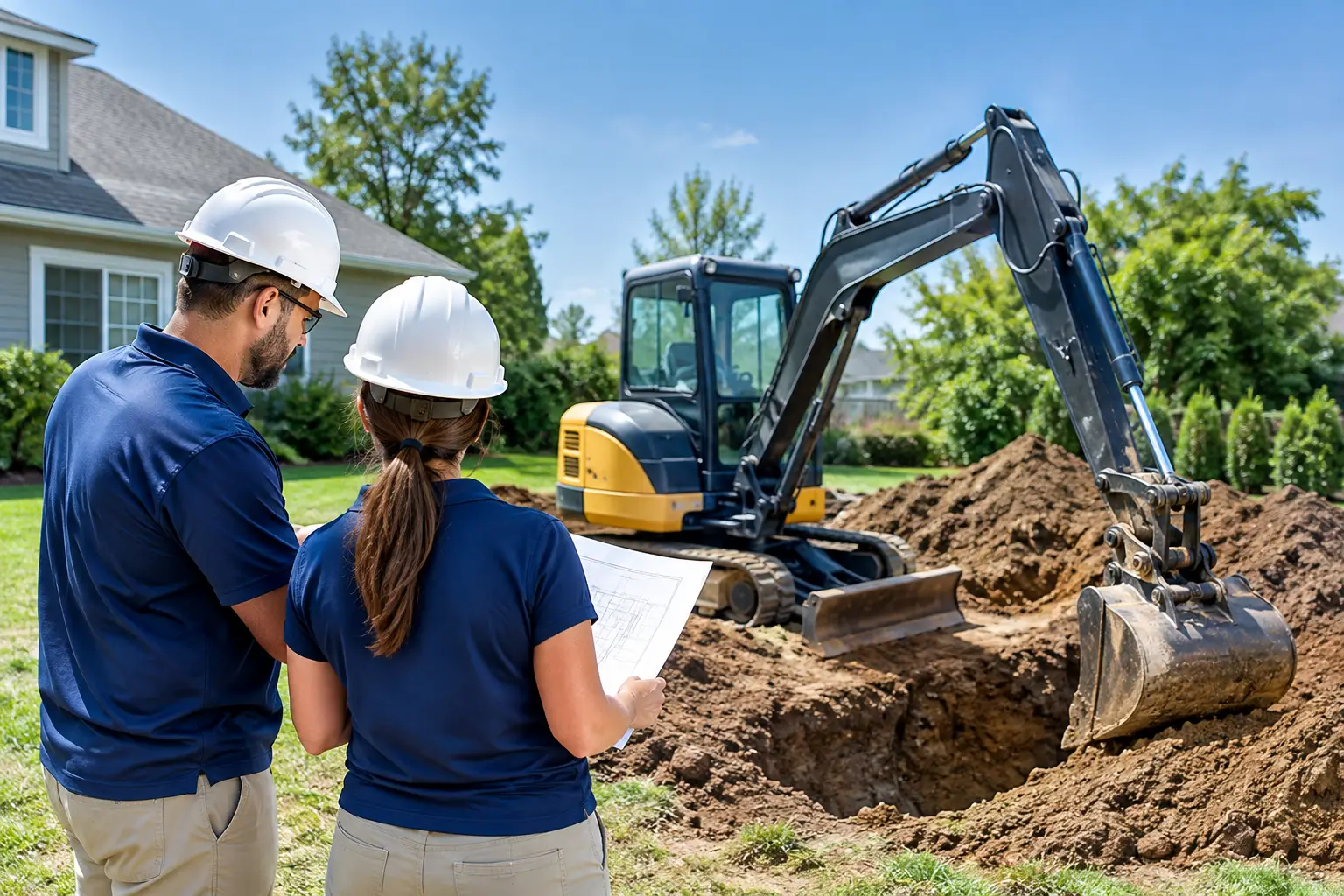
Residential Excavation Planning Guide for Your Yard
Use this residential excavation planning guide to prepare your Portland-area yard for drainage, patios, retaining walls, and lasting outdoor construction.
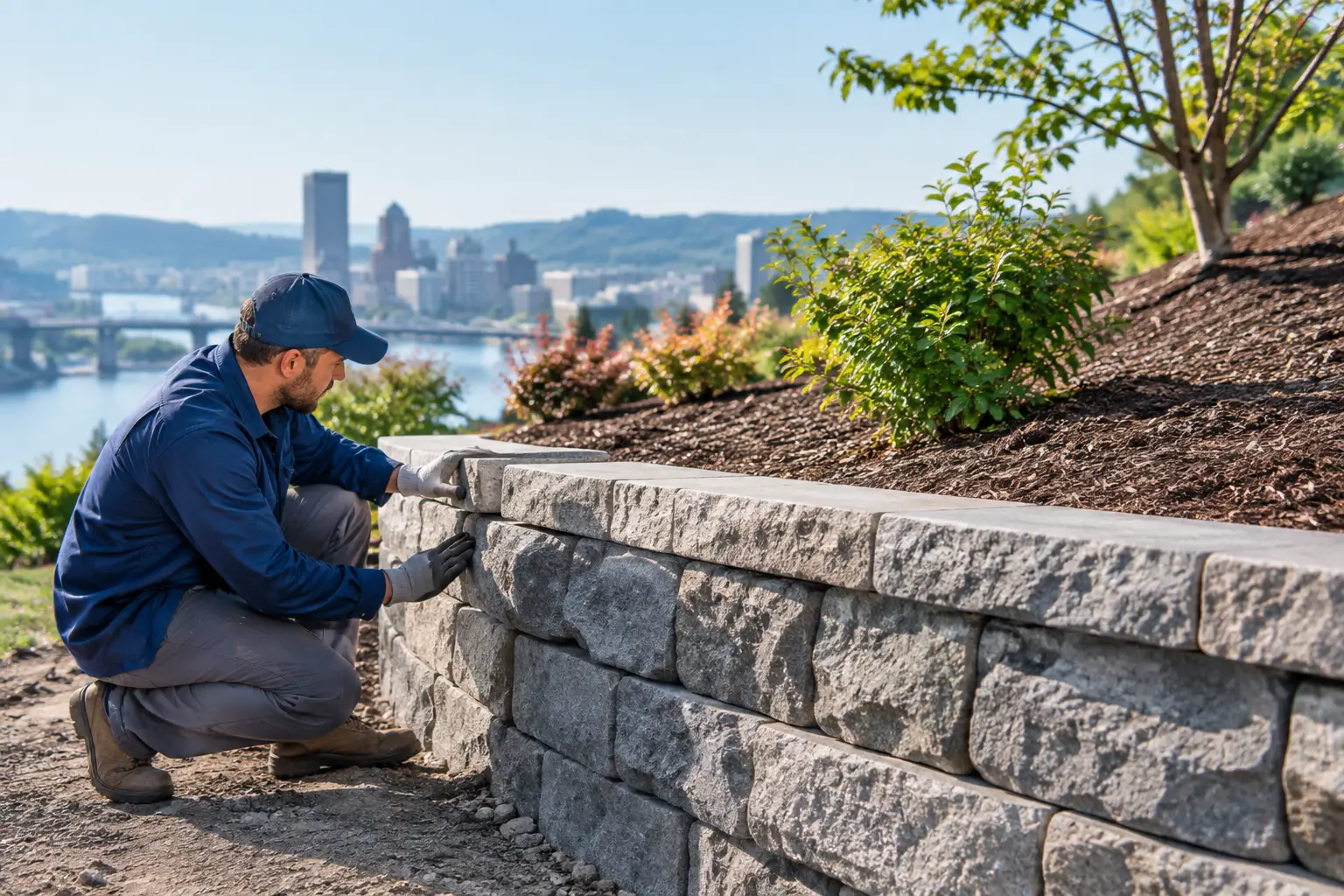
Do Retaining Walls Need Permits in Portland?
Do retaining walls need permits in Portland? Learn what height, drainage, location, and engineering rules affect your Oregon project before construction.