Modern business website template showcasing service details and customer engagement.

Decorative Stone Veneer for Lasting Curb Appeal

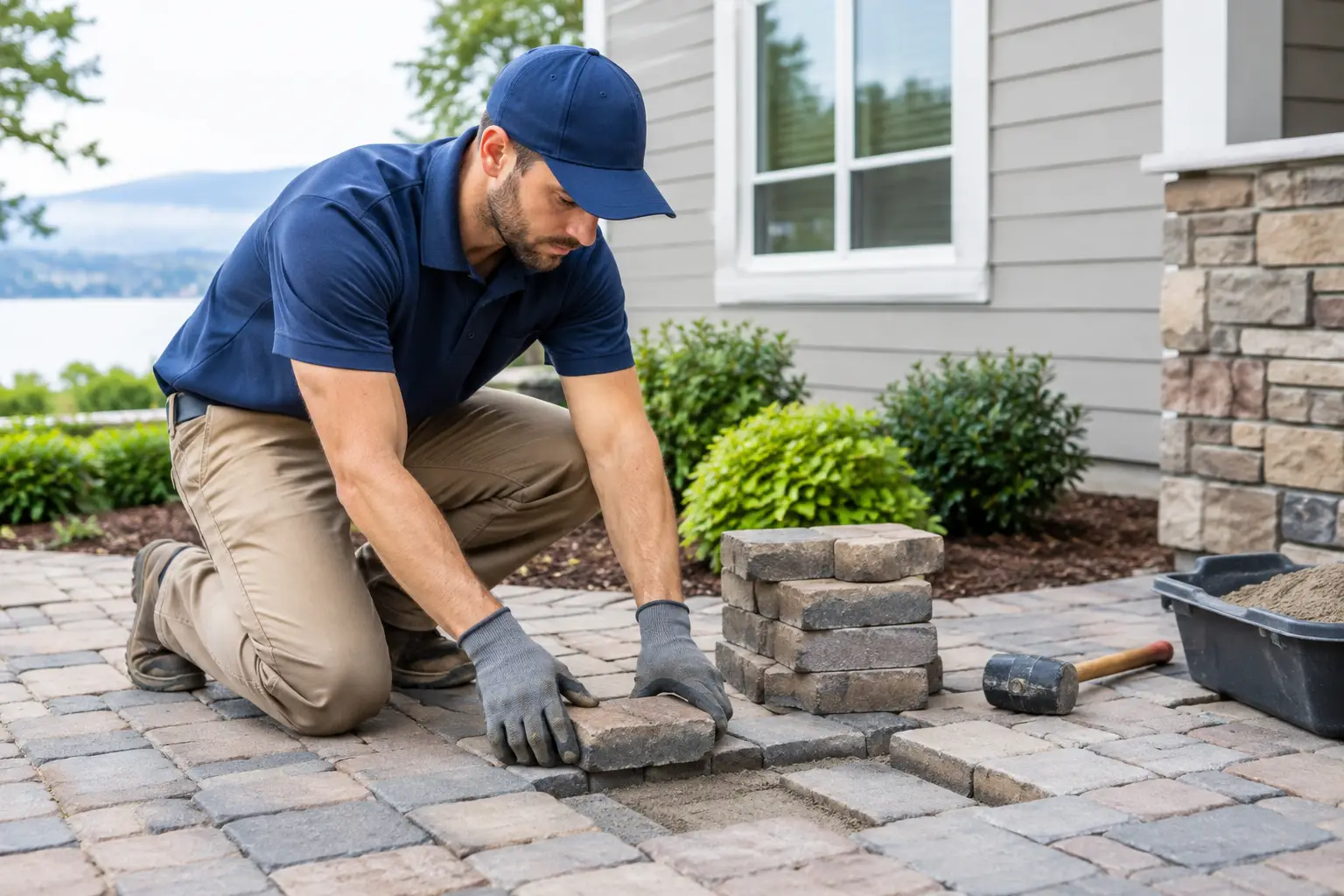
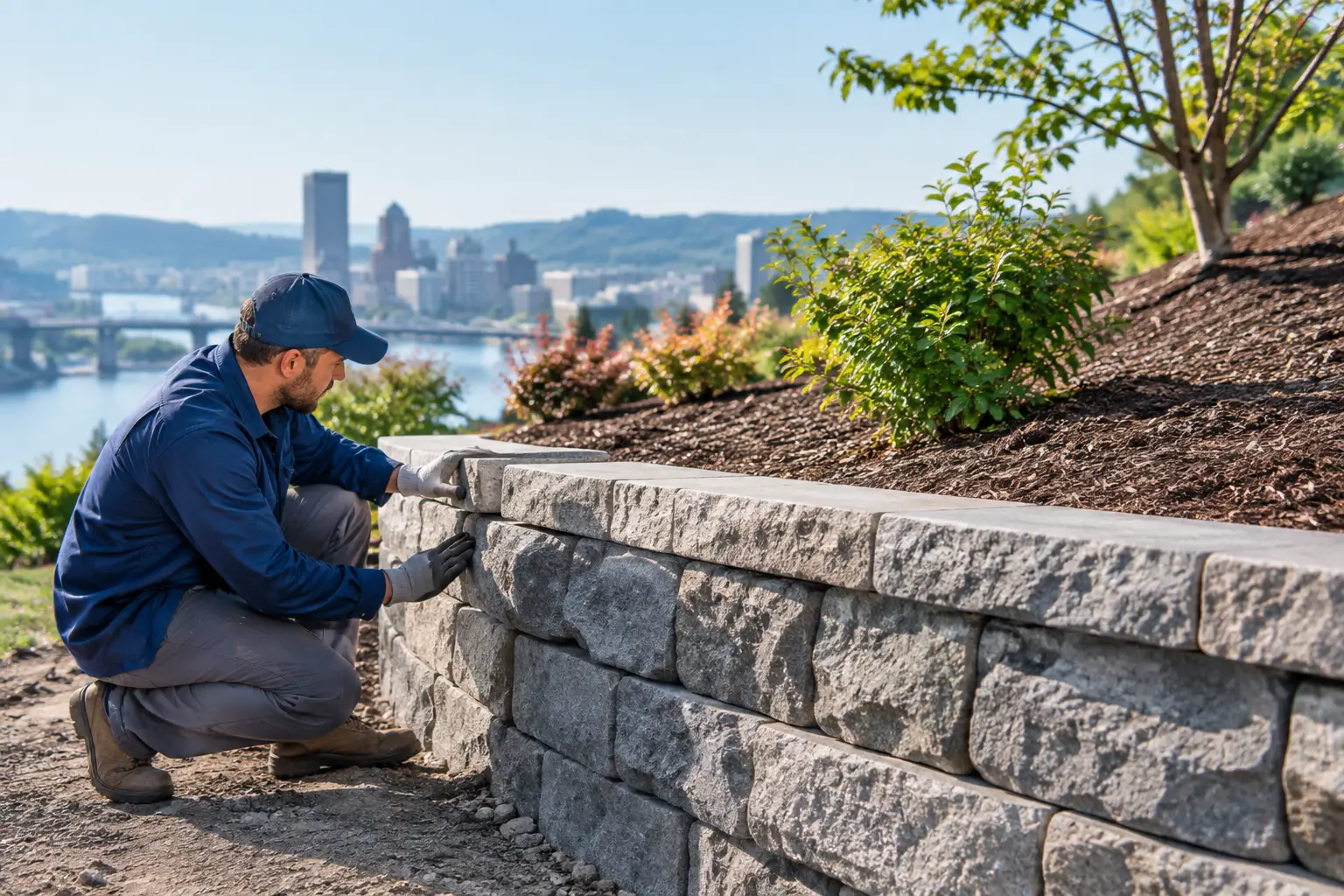
Adding stone veneer or faux stone to your home can transform plain surfaces into eye-catching features. Homeowners often choose this service when updating entryways, accenting outdoor living areas, or refreshing the look of retaining walls and foundations. Stone veneer provides the appearance of natural stone without the cost or weight of full masonry construction. The installation process involves preparing the surface, applying a bonding layer, and carefully setting each stone to create a durable and attractive finish. This upgrade adds texture, depth, and architectural interest to your property while requiring less maintenance than traditional stonework.

Illustration of a modern business website showcasing service details and customer engagement.
When to Consider Stone Veneer

Stone veneer is often used to update aging siding, cover exposed concrete, or add visual interest to outdoor living spaces. It is a practical choice for homeowners who want a stone look without major structural changes.

What the Installation Involves

The process starts with surface preparation and moisture protection. Then, a bonding material is applied, and the stone veneer pieces are set in place. The result is a decorative layer that mimics the appearance of natural stone.

Project Planning and Results

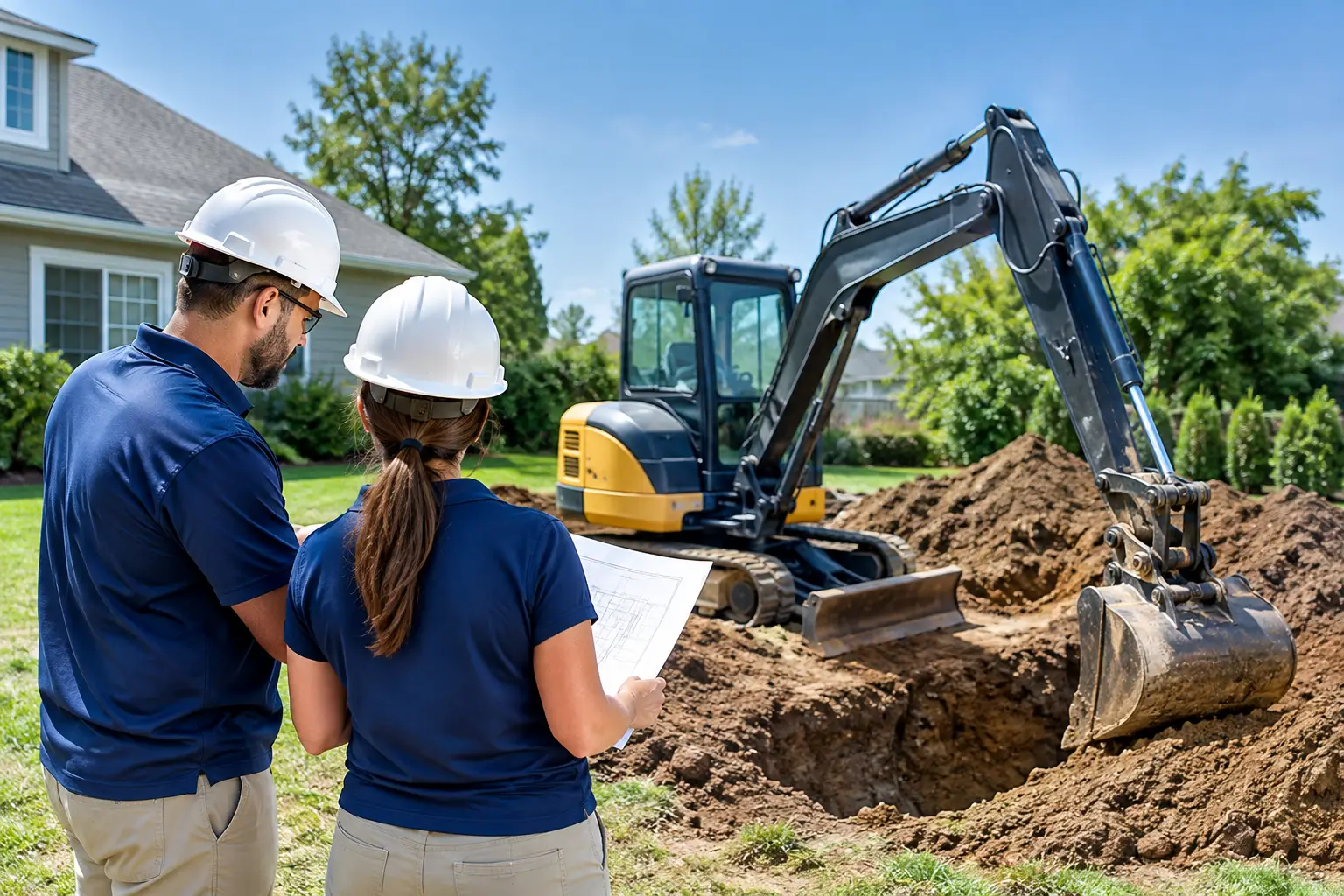
Planning includes selecting the right stone style, color, and placement to match your home's design. Finished projects provide a durable, low-maintenance surface that enhances curb appeal and property value.

Frequently Asked Questions

Q. What is the difference between stone veneer and faux stone for residential projects?
Stone veneer is made from natural stone cut into thin layers, while faux stone is manufactured from concrete or composite materials to mimic the look of real stone. Both options provide a decorative finish, but faux stone is often lighter and may offer more design flexibility.
Q. How do you determine if my home’s exterior is suitable for stone veneer installation?
Before installation, we assess the surface condition, structural stability, and moisture exposure of the area. Proper substrate compatibility is important to ensure the veneer adheres securely and performs well over time.
Q. Can stone veneer or faux stone be installed over existing siding or brick?
In many cases, stone veneer or faux stone can be applied over existing surfaces like brick or masonry, provided they are in good condition. For other materials, such as wood or older siding, additional preparation or a suitable backing may be required.
Q. What maintenance is required for stone veneer or faux stone surfaces?
Stone veneer and faux stone generally require minimal maintenance. Occasional cleaning with water and a soft brush helps maintain appearance, and regular inspections can identify any areas needing repair due to settling or moisture.
Q. How do I choose between natural stone veneer and manufactured faux stone for my project?
Choosing between natural and manufactured stone depends on your design preferences, the existing structure, and your budget. Natural stone offers unique textures and color variations, while manufactured stone provides consistent appearance, lighter weight, and often a wider range of styles.

Start Your Project Today

Get a Free Quote

    How to Begin

    What Happens Next

    Use this form to share details about your landscaping or outdoor construction project, or to ask questions about our residential services. You may also reach us by phone or email if that is easier for you.

    After you send your information, a team member will contact you to discuss your project and outline the next steps.

    0 +

    Project 

    0 %

    Customer Feedback

    Recent News and Helpful Guides

    Outdoor Landscaping Tips and Planning Resources

    Scroll to Top