Modern business website template showcasing service details and customer engagement.

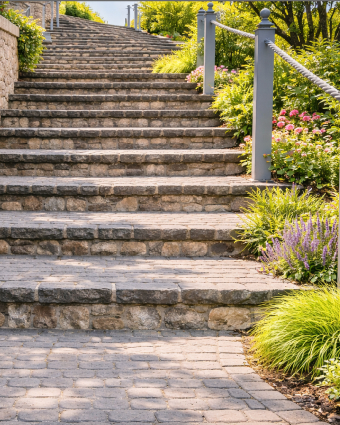
Natural Stone Steps for Sloped Yards and Landscape Access

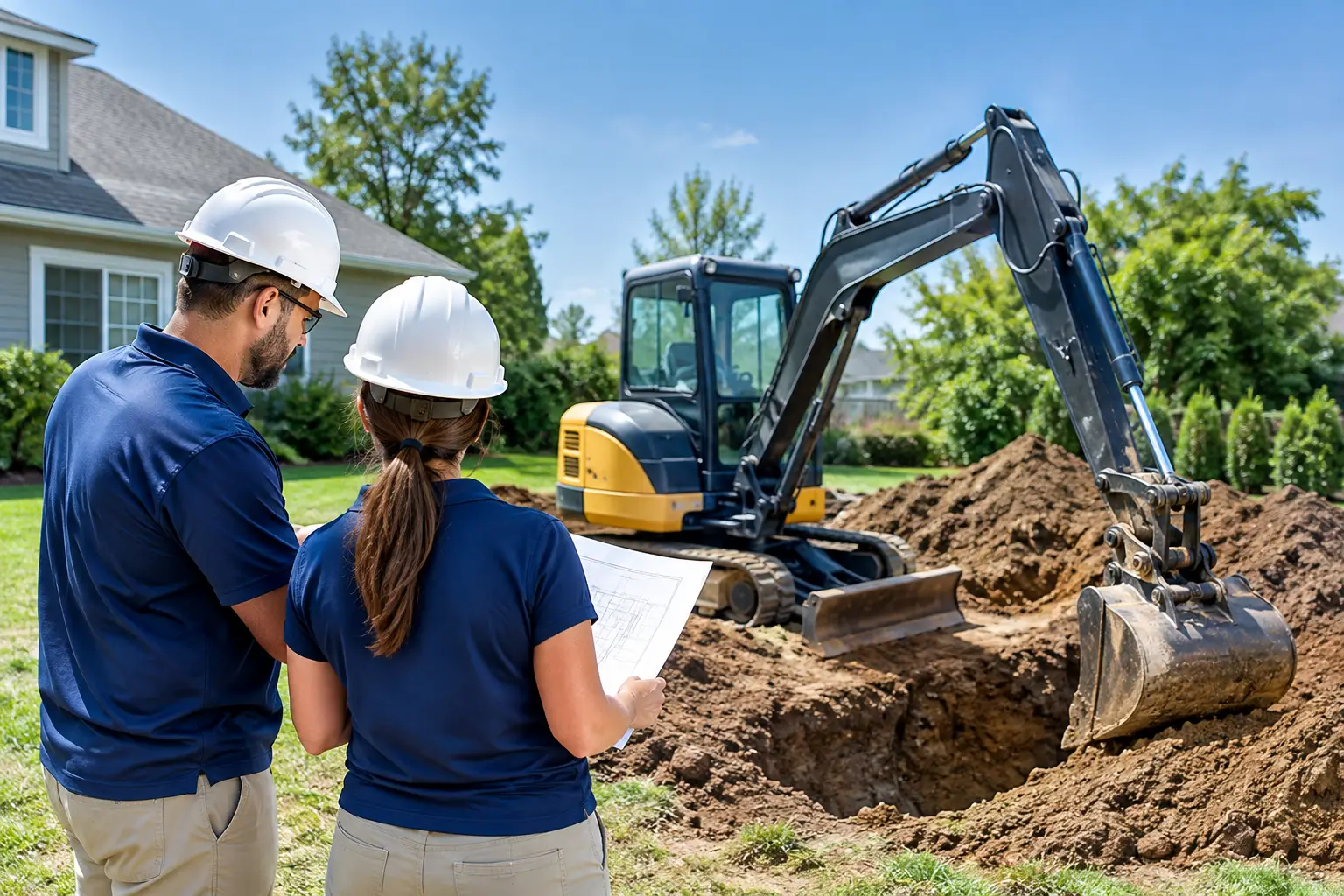
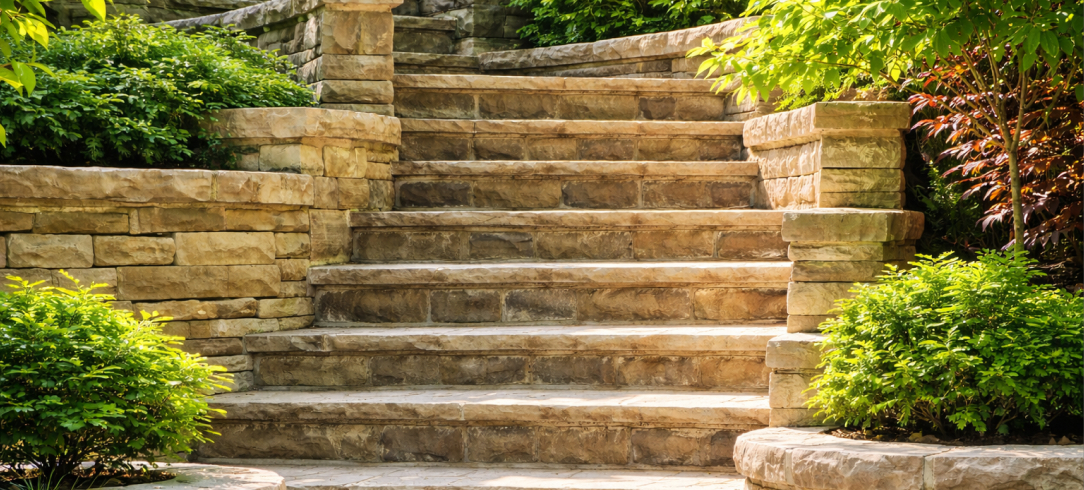
Stone steps are often needed when a property has elevation changes or uneven ground between outdoor spaces. Installing natural stone steps creates a safe and durable way to move between levels, such as from a patio to a lawn or along a hillside garden. This service is commonly chosen for homes with sloped yards, raised patios, or areas where soil erosion makes access difficult. The process typically involves site evaluation, excavation, setting a stable base, and carefully placing each stone for long-term stability and a finished look that blends with the landscape. Well-built stone steps improve both safety and appearance, adding lasting value to outdoor areas.

Illustration of a modern business website showcasing service details and customer engagement.
When to Consider Stone Steps

Stone steps are a practical solution for properties with steep grades, garden terraces, or areas where foot traffic wears down slopes. Homeowners often consider this upgrade when creating new outdoor living areas or improving access between different parts of the yard.

What the Installation Involves

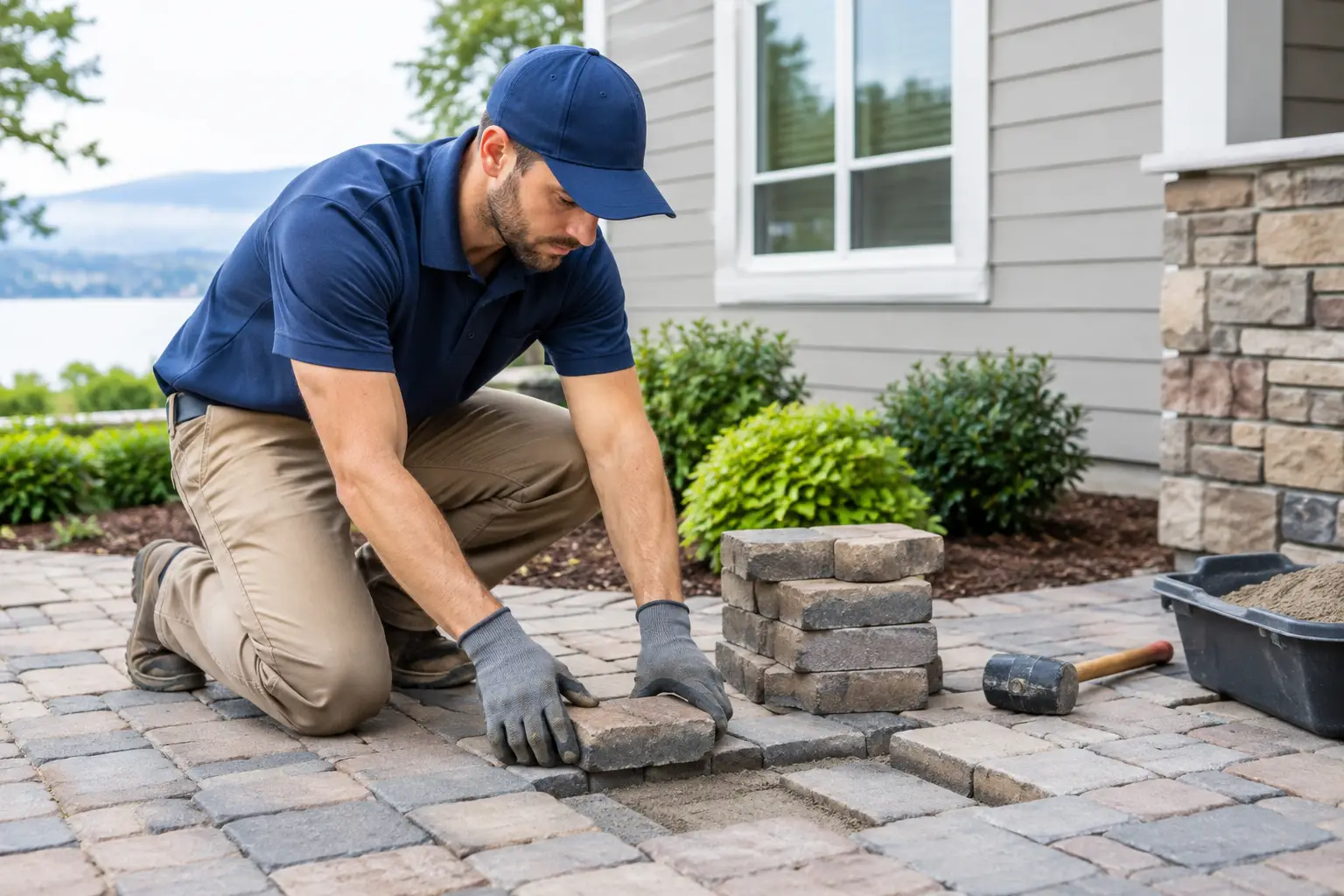
The installation process starts with measuring and planning the step layout to fit the site. Crews excavate and prepare a compacted base, then set each stone securely. Proper drainage and alignment are important to ensure the steps remain safe and stable over time.

Benefits for Your Property

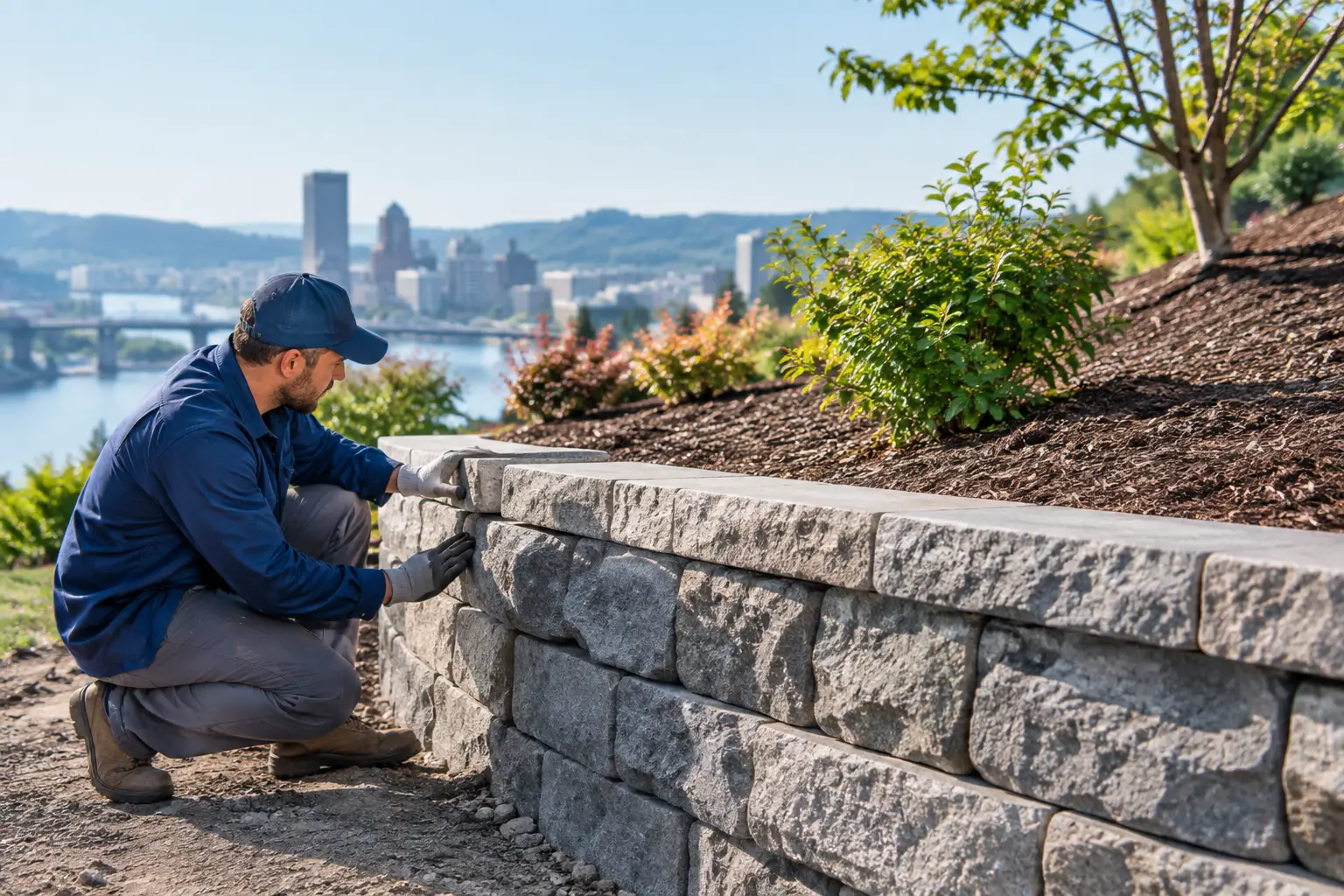
Adding stone steps improves access across elevation changes and helps prevent soil erosion. The finished result is a durable, attractive feature that connects outdoor spaces and adds to the overall value and usability of your yard.

Frequently Asked Questions

Q. What types of stone are commonly used for outdoor steps in Beaverton homes?
Natural stone options like basalt, granite, and flagstone are often used for outdoor steps due to their durability and ability to blend with surrounding landscapes. The choice depends on the desired appearance, slip resistance, and how the stone complements other hardscape features.
Q. How do you ensure stone steps remain stable and level over time?
Proper base preparation is essential, including compacted gravel and drainage layers to prevent shifting and settling. Each step is set with attention to tread and riser proportions, and the installation is designed to handle local soil and weather conditions.
Q. Can stone steps be integrated with existing patios or walkways?
Yes, stone steps can be designed to connect seamlessly with patios, walkways, or garden paths. Careful planning ensures the steps align with adjacent features and provide a safe, comfortable transition between different yard levels.
Q. What maintenance do stone steps require in the Portland metro climate?
Stone steps generally need occasional cleaning to remove debris and moss, especially in shaded or damp areas. Inspecting for settling or movement after heavy rain is recommended, and minor adjustments can be made if needed to keep the steps safe and functional.
Q. How does drainage affect the installation and longevity of stone steps?
Good drainage is important to prevent water from pooling around or under the steps, which can cause shifting or erosion. The installation includes grading and drainage planning to direct water away from the steps and surrounding landscape features.

Start Your Project Today

Get a Free Quote

    How to Begin

    What Happens Next

    Use this form to share details about your landscaping or outdoor construction project, or to ask questions about our residential services. You may also reach us by phone or email if that is easier for you.

    After you send your information, a team member will contact you to discuss your project and outline the next steps.

    0 +

    Project 

    0 %

    Customer Feedback

    Recent News and Helpful Guides

    Outdoor Landscaping Tips and Planning Resources

    Scroll to Top