Modern business website template showcasing service details and customer engagement.

Why Homeowners Choose Professional Walkway Installation

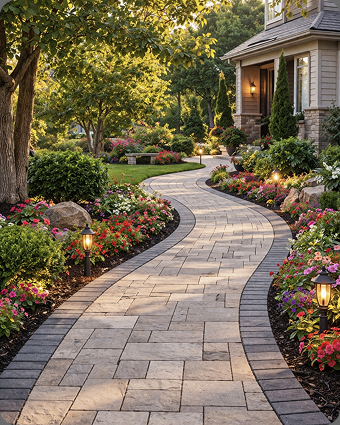
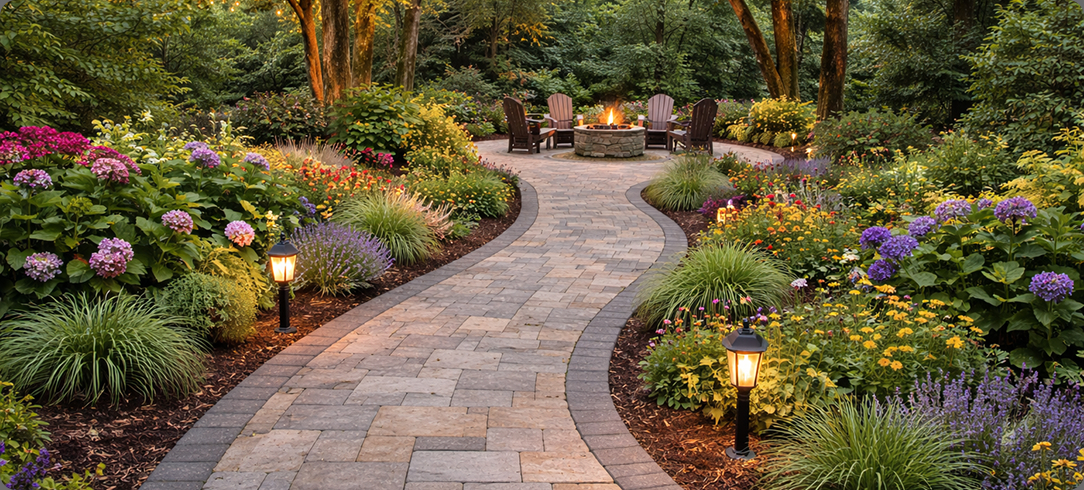
Worn paths, muddy shortcuts, or uneven ground can make it difficult to move between entrances, patios, and different areas of your yard. Installing a dedicated walkway creates a safer and more organized route across your property. Many homeowners consider new walkways when updating landscaping, adding patios, or improving curb appeal. A well-built path can help prevent soil erosion, reduce lawn damage, and tie together outdoor spaces with a finished look.

Illustration of a modern business website showcasing service details and customer engagement.
What the Walkway Construction Process Involves

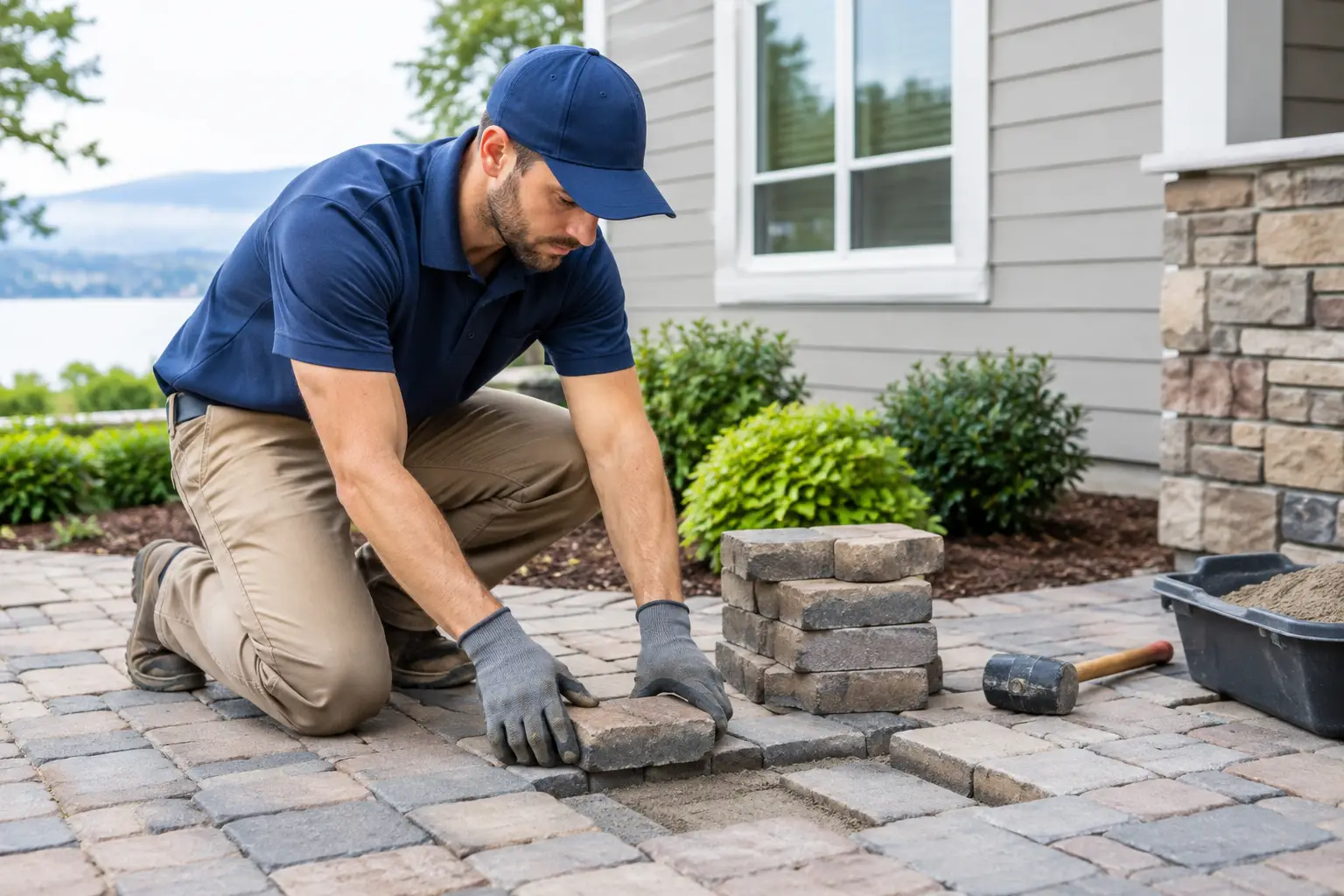
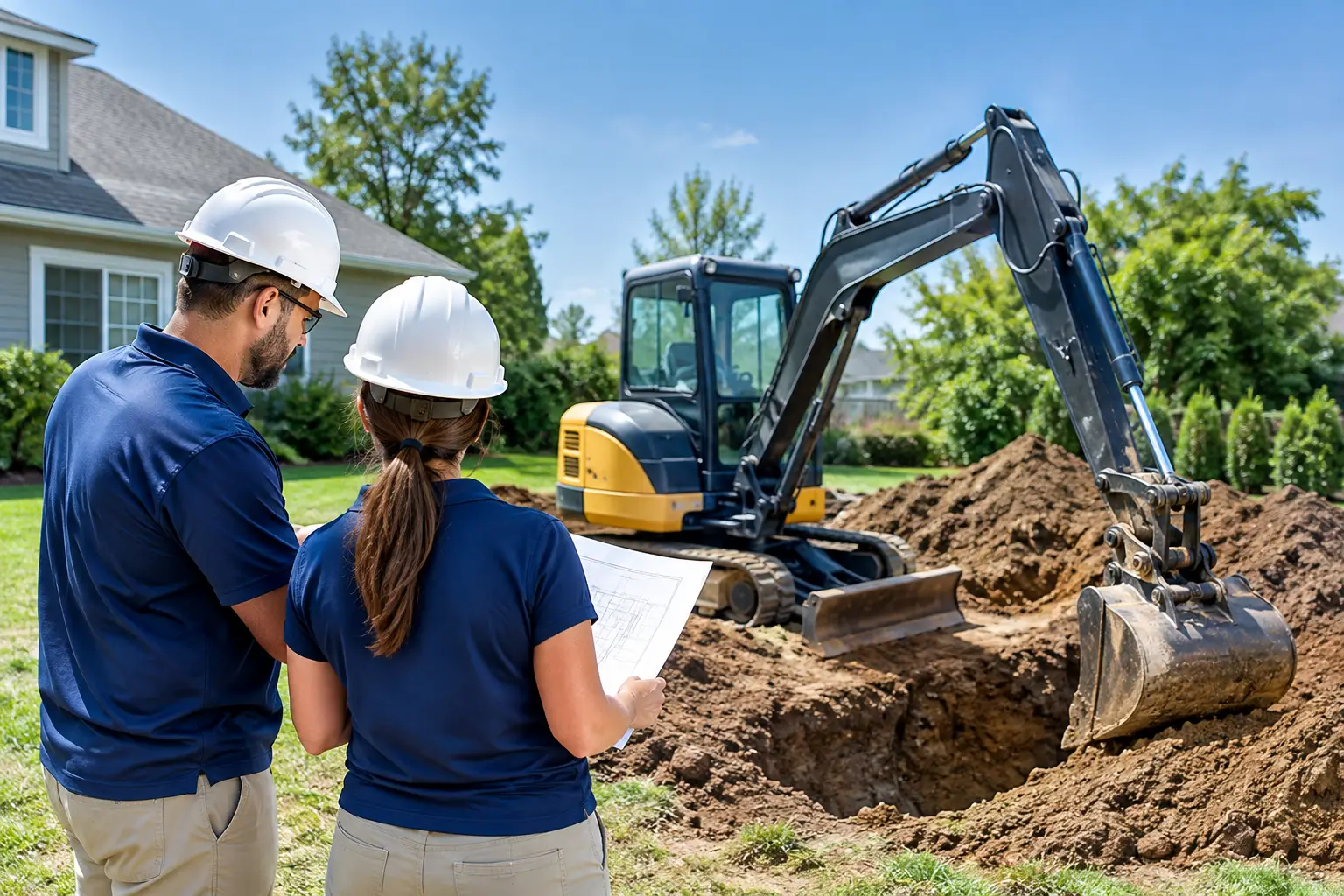
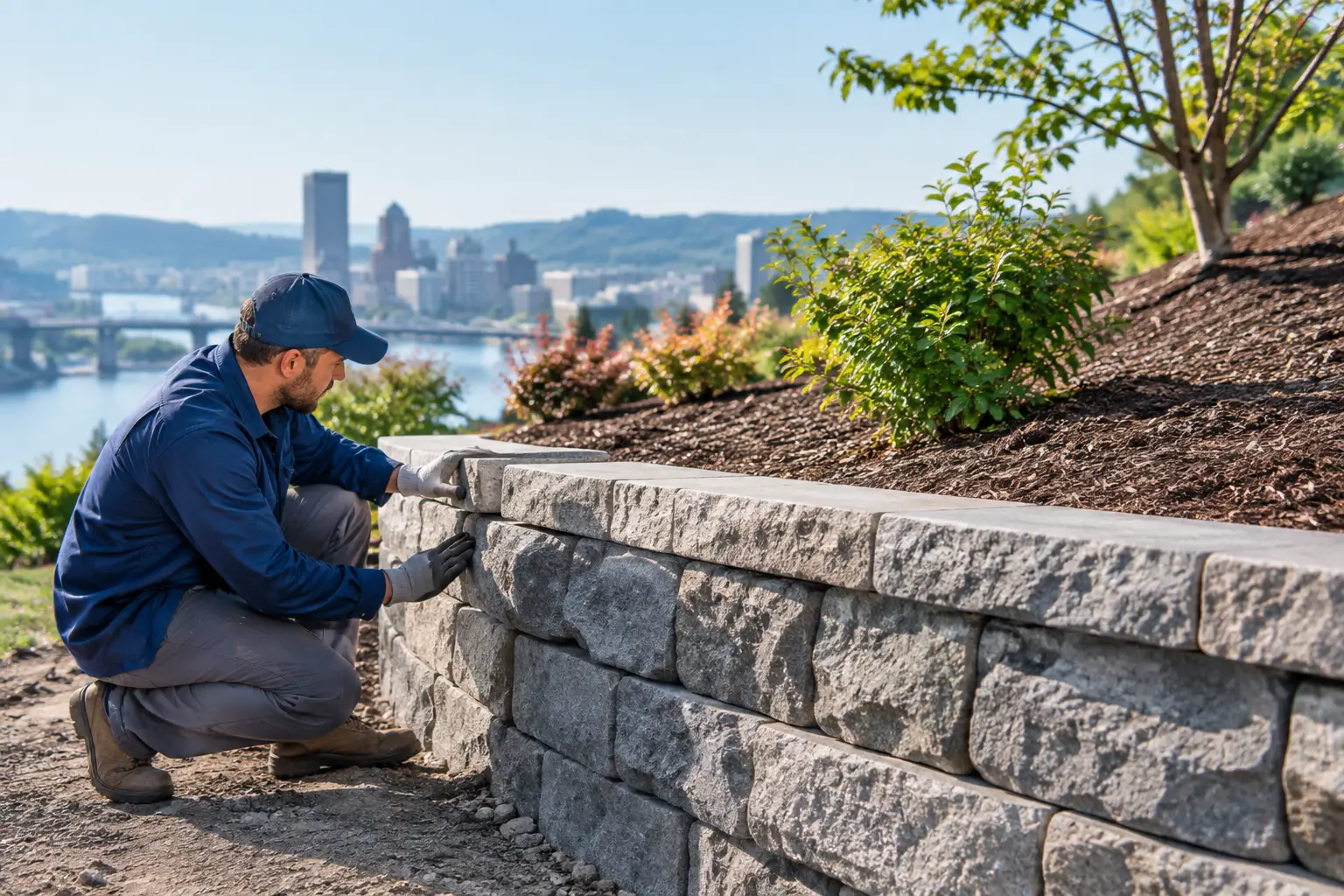
Walkway projects start with a site evaluation to determine the best route and materials for your property. Our team handles grading, excavation, and base preparation to ensure stability. We install pavers, flagstone, concrete, or gravel based on your design preferences and site needs. Edging and finishing details are added to keep the path in place and maintain clean lines.

Common Reasons to Install a Walkway

Homeowners often request walkways to connect driveways to front doors, link patios to garden areas, or provide a dry path through lawns that get muddy. Walkways can also help guide foot traffic, protect landscaping, and make outdoor spaces easier to use year-round.

Planning Considerations for Your Project

Choosing the right location, width, and materials is important for both function and appearance. We help you consider drainage, slope, and how the walkway will fit with your existing landscaping. Our team provides guidance on material options and layout to match your needs and property style.

Frequently Asked Questions

Q. What materials can be used for walkways in residential landscaping?
Common walkway materials include pavers, flagstone, concrete, and gravel. The choice depends on the desired look, slip resistance, and how the path will fit into the overall landscape design.
Q. How do you ensure walkways remain level and safe over time?
Proper base preparation and grading are essential for long-term stability. Walkways are installed with compacted gravel bases and careful alignment to help prevent settling and uneven surfaces.
Q. Can walkways be integrated with other landscaping features?
Yes, walkways are often planned alongside patios, garden beds, and lawn areas to create clear, functional connections throughout the property. Coordination with other features helps achieve a cohesive outdoor layout.
Q. How is drainage handled for new walkway installations?
Drainage is addressed by grading the walkway surface and surrounding area to direct water away from the path. Permeable materials or drainage systems may be used when needed to prevent water accumulation.
Q. What maintenance is required for residential walkways?
Maintenance needs depend on the material. Paver and flagstone walkways may require occasional joint refilling or weed removal, while concrete and gravel paths may need periodic cleaning and inspection for settling.

Start Your Project Today

Get a Free Quote

    How to Begin

    What Happens Next

    Use this form to share details about your landscaping or outdoor construction project, or to ask questions about our residential services. You may also reach us by phone or email if that is easier for you.

    After you send your information, a team member will contact you to discuss your project and outline the next steps.

    0 +

    Project 

    0 %

    Customer Feedback

    Recent News and Helpful Guides

    Outdoor Landscaping Tips and Planning Resources

    Scroll to Top