

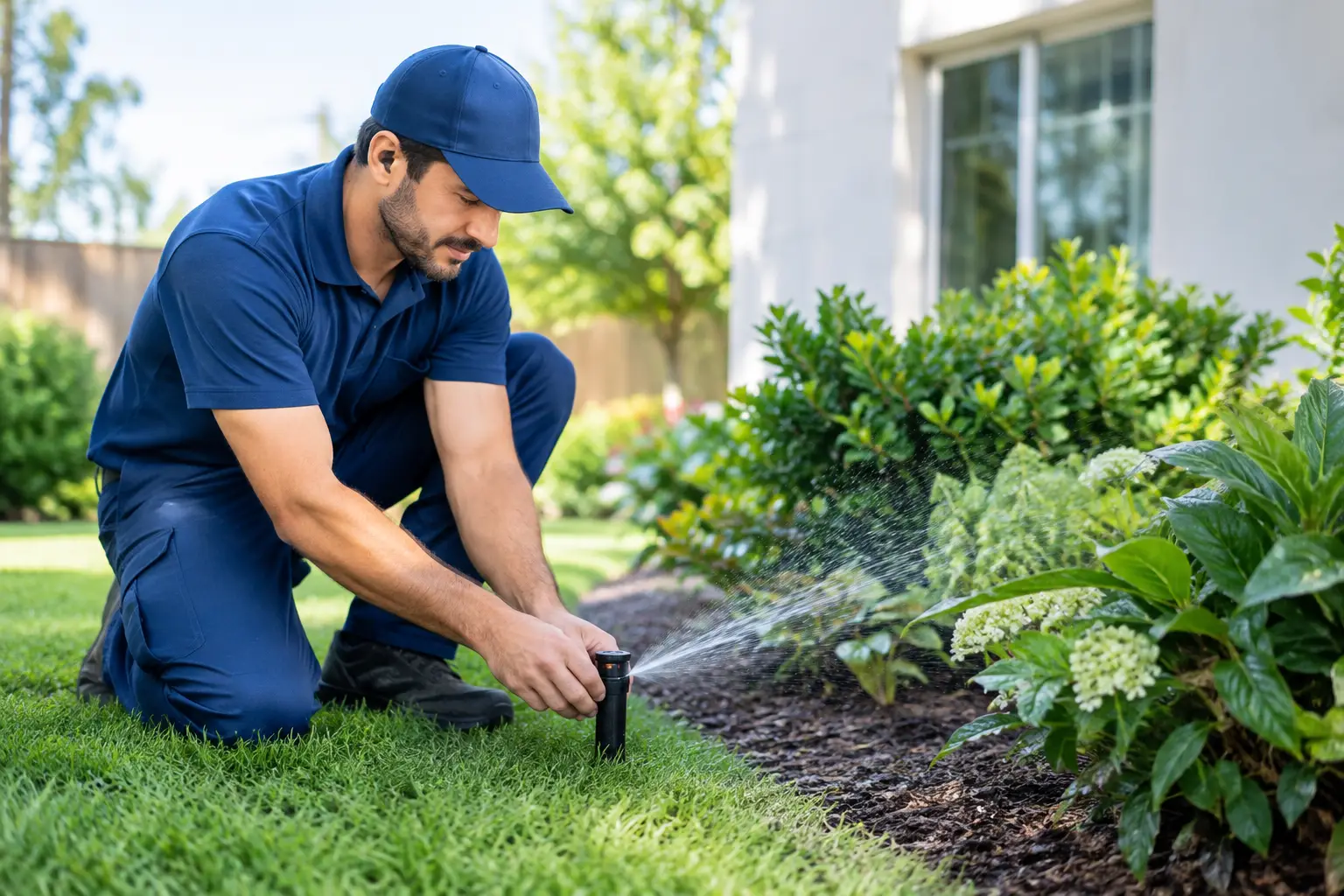
A Portland yard can look green through the summer without running sprinklers every morning. The difference is not simply using less water. It is applying the right amount, in the right place, at the right time. That is how irrigation systems save water while helping lawns, planting beds, trees, and shrubs stay healthier through dry weather.
A professionally planned system is especially valuable when a property has several landscape conditions in one yard: sunny lawn areas, shaded beds, established trees, slopes, new plantings, and hardscaped outdoor living spaces. Each needs a different approach. Treating them all the same often leads to runoff, stressed plants, and higher water bills.
How irrigation systems save water in Portland yards
An irrigation system saves water by controlling three things that manual watering often misses: coverage, timing, and volume. Properly placed sprinkler heads or drip emitters distribute water evenly instead of soaking one area and missing another. A controller limits watering to scheduled cycles, while separate zones allow different landscape areas to receive different amounts.
The goal is not to keep every inch of the yard constantly wet. Healthy turf and plants need moisture in their root zones, followed by enough time for soil to absorb water and air to move through it. When water is applied faster than the soil can take it in, it travels downhill, across pavement, or toward storm drains. That water is paid for but does little for the landscape.
In the Portland metro area, irrigation needs can shift quickly from spring to summer. Rainy months may require little or no supplemental watering, while warm, dry stretches can place real stress on lawns and newer plant material. A system that can be adjusted by season helps homeowners avoid running a fixed schedule when the weather does not call for it.
Smart zoning prevents overwatering
Zoning is one of the most practical ways to reduce waste. A zone is a group of sprinkler heads or drip lines controlled together. Well-designed zones group plants and areas with similar water needs rather than mixing everything on the same schedule.
For example, a sunny lawn may need more water than a shaded side yard. A foundation planting with established shrubs usually needs less water than annual flowers or recently installed plants. Drip irrigation in garden beds should not share a zone with lawn sprinklers because drip lines apply water slowly and need longer run times.
When incompatible areas are tied together, homeowners are forced into a poor compromise. Water long enough for the thirstiest plants, and the rest of the zone becomes oversaturated. Water lightly for the low-water plants, and the lawn or new plantings may struggle. Separate zones give the controller the flexibility to water each area appropriately.
A quality system also considers the shape and grade of the property. Narrow side yards, curved planting beds, slopes, and areas beside patios or walkways need carefully selected components. The right head pattern and placement reduce spray onto concrete, fences, siding, and driveways.
Drip irrigation delivers water where plants use it
Drip irrigation is often the best choice for planting beds, hedges, vegetable gardens, and many tree and shrub areas. Instead of spraying water into the air, drip tubing releases it slowly at or near the soil surface. Water moves down toward the roots with less evaporation and less overspray.
This method is particularly useful around patios, retaining walls, walkways, and other hardscape features where spray irrigation can create wet surfaces or waste water. It can also keep foliage drier, which is helpful for some plants that are more prone to fungal issues when leaves remain wet.
Drip is not automatically the right answer everywhere. Lawns generally require sprinkler coverage because grass has a broad, shallow root system. Drip lines also need periodic inspection. Roots can grow around emitters, tubing can be damaged during planting work, and a clogged or disconnected line may leave part of a bed dry without being obvious from a distance.
The system works best when it is installed with access, maintenance, and future landscape changes in mind. A planting bed that will later receive new shrubs, edging, or stonework should be planned so irrigation lines are protected and practical to adjust.
Efficient scheduling matters as much as the equipment
Even a well-built irrigation system can waste water if the controller is set incorrectly. Watering every day for short periods often encourages shallow roots and may not provide enough moisture below the surface. On the other hand, long run times can cause pooling and runoff, especially in compacted soil or on slopes.
Many yards benefit from deeper, less frequent watering during dry periods, but the exact schedule depends on soil type, plant maturity, sun exposure, and rainfall. Sandy soil absorbs water differently than heavy clay soil. New sod, new trees, and fresh plantings need more consistent attention while their roots establish. Mature, well-rooted landscapes can often tolerate longer intervals between watering.
Cycle-and-soak scheduling is useful on slopes and dense soils. Instead of one long watering period, the controller runs a shorter cycle, pauses to let water soak in, and then runs again. This approach can reduce runoff while still delivering enough water into the root zone.
Watering in the early morning is generally more efficient than watering during the heat of the day. Less water is lost to evaporation, and plants have time to dry after watering. Evening schedules can work in some situations, but frequent overnight moisture on leaves may not be ideal for every landscape.
Weather-based controls reduce unnecessary watering
Rain sensors, soil-moisture sensors, and smart controllers can prevent a system from operating when the landscape has already received enough water. A rain sensor is a straightforward safeguard that pauses irrigation during or after rainfall. Smart controllers can adjust schedules based on local weather information and seasonal conditions.
These controls are helpful, but they are not a substitute for thoughtful design or periodic review. A controller can only make good decisions when zones are set up correctly and equipment is functioning as intended. If a sprinkler head is tilted toward a driveway or a valve is leaking, technology will not solve the underlying issue.
Homeowners should also understand that automatic adjustments are not always perfect. A shaded yard in Beaverton may hold moisture longer than an exposed hillside in Lake Oswego, even if the controller receives the same regional weather data. Checking the landscape remains essential. Wilting, standing water, unusually fast growth, dry spots, and runoff are all signals that the schedule may need adjustment.
Proper installation protects the landscape and the water supply
Water efficiency begins below ground. Pipes must be sized correctly, valves need to be accessible, and heads must be spaced for appropriate coverage. Poor pressure management can create fine mist that blows away in wind or leave distant heads underperforming. A properly installed backflow device also helps protect the home’s potable water supply from contamination.
Installation should be coordinated with the rest of the outdoor project. Before a new patio, retaining wall, fence, sod installation, or planting plan is completed, irrigation routes and zones should be considered. Adding irrigation after hardscaping is finished can mean unnecessary cutting, disruption, and added cost.
At Four Seasons Landscape & Construction, irrigation planning can be incorporated into a larger yard transformation so drainage, grading, planting areas, and finished outdoor spaces work together. That coordinated approach helps avoid the common problem of treating irrigation as an afterthought.
Maintenance keeps water savings from disappearing
Irrigation systems need seasonal attention. A broken head, cracked fitting, clogged nozzle, or damaged drip line can waste a significant amount of water over time. Changes in the landscape also affect performance. A shrub that was small when the system was installed may eventually block a sprinkler pattern, while tree roots and settling soil can shift components.
A simple visual inspection during operation is often revealing. Look for water spraying onto pavement, misting excessively, pooling near heads, dry patches between sprinklers, or water continuing to flow after a zone shuts off. Adjusting a head or replacing a worn nozzle early is far easier than repairing lawn damage or paying for months of waste.
Winterization and spring startup are also worthwhile in the Portland area. Protecting irrigation components during freezing conditions helps prevent damage, while a spring inspection confirms that each zone is ready for the dry season.
The best irrigation system is not the one that runs the most. It is the one that supports the landscape you want, respects the conditions of your property, and uses every gallon with purpose. When your yard is planned as a complete system rather than a collection of separate features, water efficiency becomes part of the quality of the finished space.