Modern business website template showcasing service details and customer engagement.

Natural Stone Retaining Walls for Sloped Yards and Erosion Control

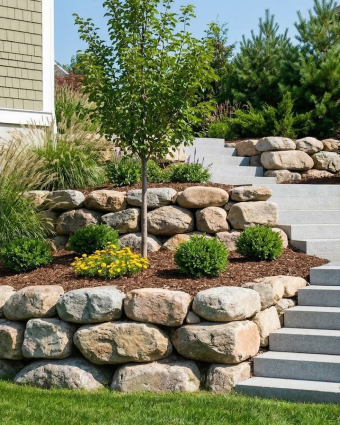
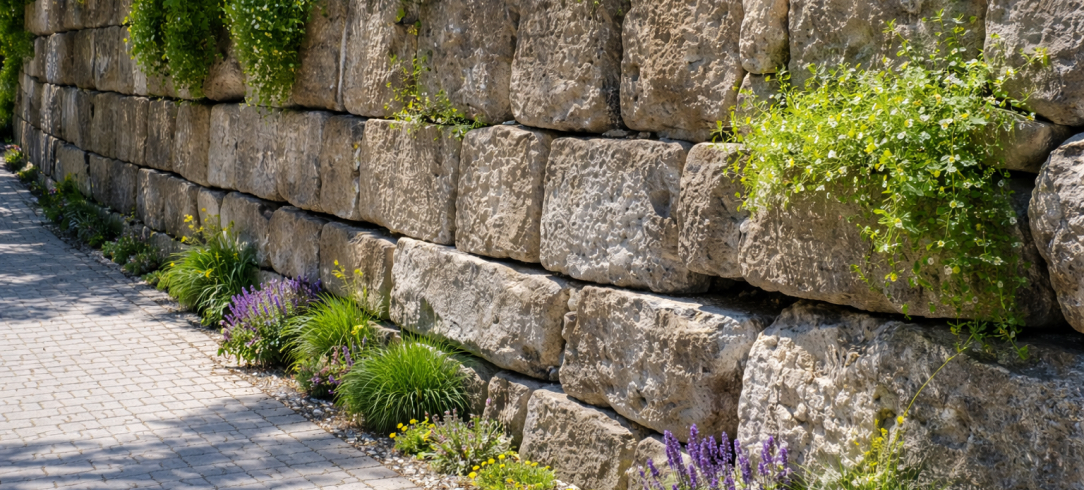
When properties have steep slopes, unstable soil, or need a natural-looking barrier, large boulder walls provide lasting support and a rugged appearance. Homeowners often choose boulder walls to prevent soil movement, create level areas for landscaping, or add a dramatic feature to their yard. This service involves careful placement of heavy natural stone to form a stable structure that blends with the surrounding landscape. The process includes site evaluation, grading, and setting each boulder for maximum stability. Finished boulder walls can help control erosion, support raised garden beds, and define property lines while adding visual interest to outdoor spaces.

Illustration of a modern business website showcasing service details and customer engagement.
When to Consider a Boulder Wall

Boulder walls are a good option for properties facing soil erosion, steep yard slopes, or areas where a standard block wall would look out of place. They are also used to create terraced gardens or natural transitions between different yard elevations.

What the Installation Involves

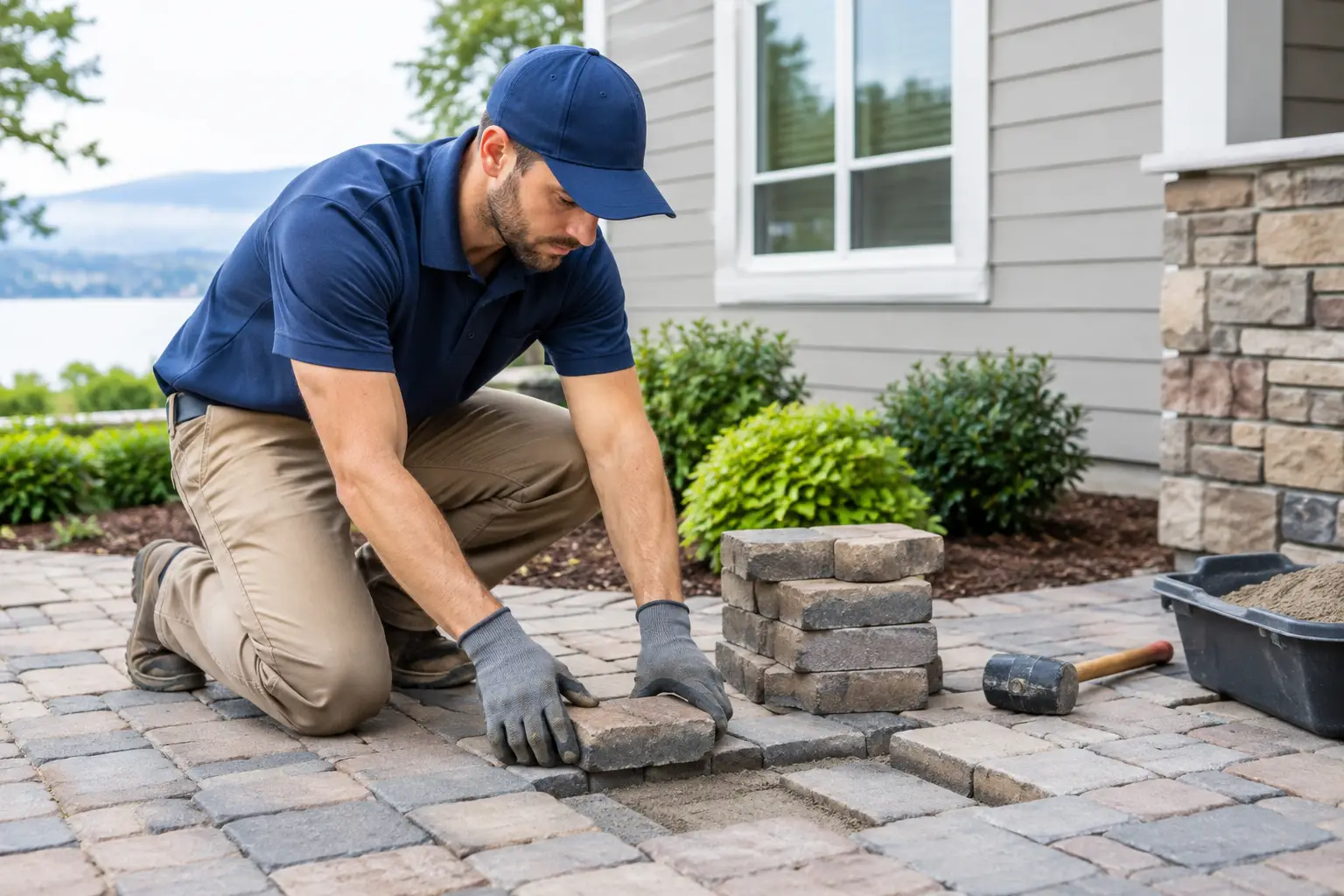
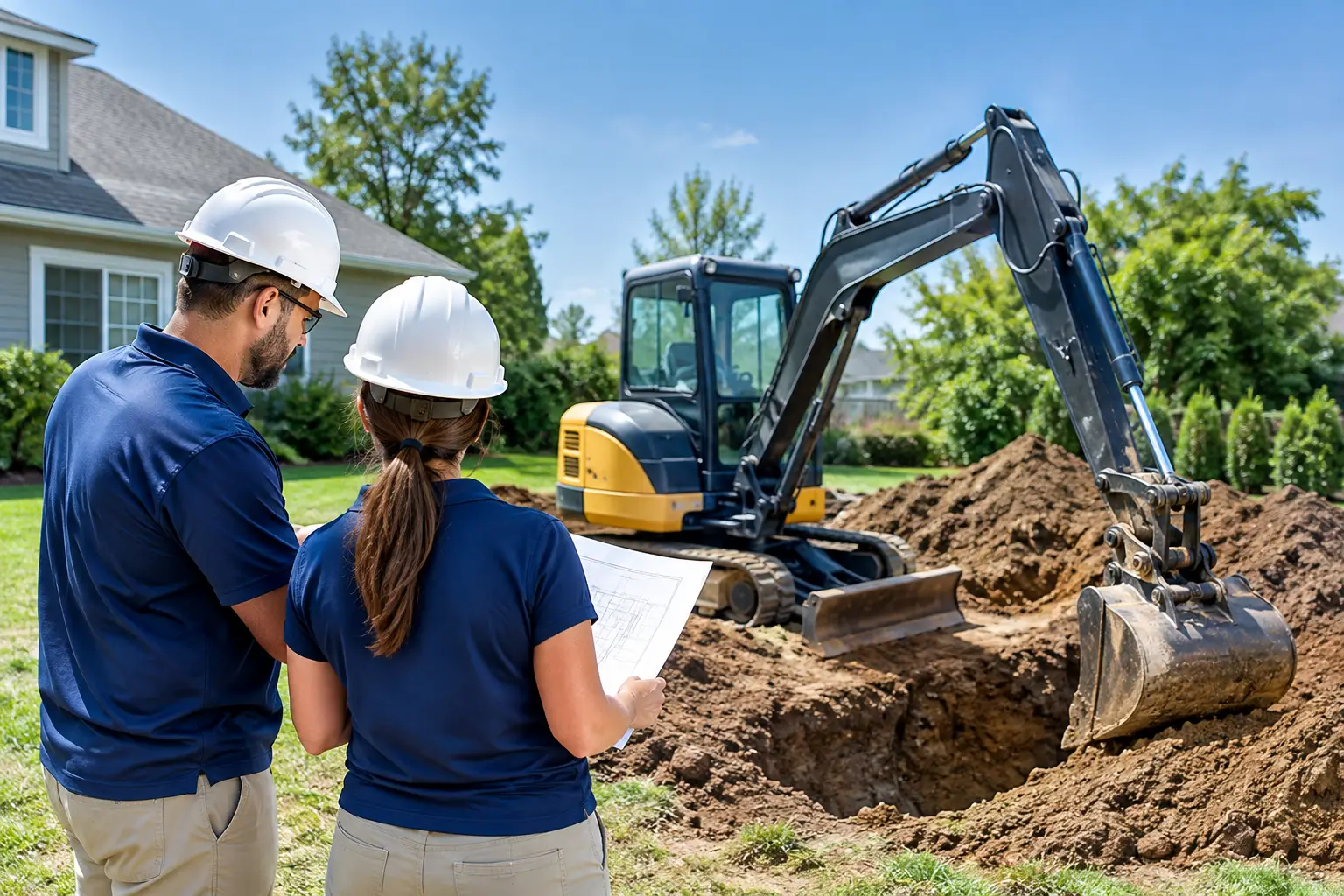
The installation process starts with site preparation and grading. Large boulders are then set in place using equipment, with each stone positioned for stability and fit. Drainage is addressed behind the wall to reduce water pressure and extend the wall’s lifespan.

Benefits for Your Property

A well-built boulder wall can hold back soil, create usable flat areas, and add a natural stone accent to your landscaping. These walls require little maintenance and are designed to last for many years.

Frequently Asked Questions

Q. What are boulder walls and when are they recommended for residential properties?
Boulder walls are retaining walls built using large natural stones. They are often recommended for sloped yards or areas where substantial soil retention is needed and a natural stone appearance fits the landscape.
Q. How are boulders set to ensure stability and prevent shifting over time?
Boulders are carefully placed with attention to base preparation, proper alignment, and interlocking placement. Each stone is positioned to create a stable structure that resists movement and adapts to the site’s slope.
Q. What drainage considerations are important for boulder wall construction?
Proper drainage behind the wall is essential to reduce water pressure and prevent soil erosion. Drainage systems such as gravel backfill and perforated pipes are often installed to help manage runoff and maintain wall stability.
Q. How do boulder walls handle seasonal weather changes in Beaverton and the Portland area?
Boulder walls are designed to accommodate soil movement and moisture changes throughout the year. Correct installation and drainage help minimize shifting or settling during wet winters and dry summers.
Q. Can boulder walls be integrated with other landscaping features in my yard?
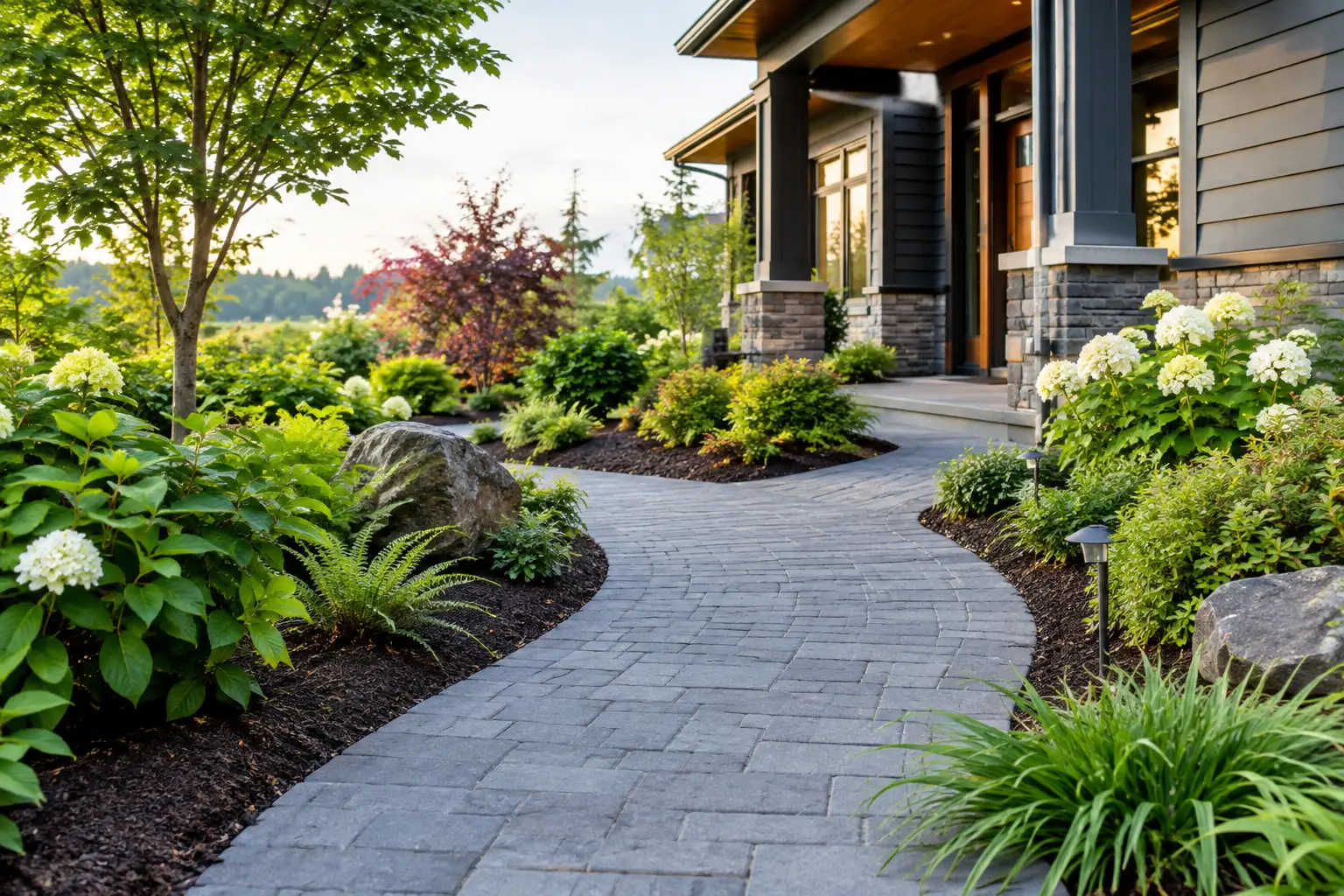
Yes, boulder walls can be coordinated with patios, pathways, planting beds, and other landscape elements. This approach allows for a cohesive outdoor space that addresses both functional and visual needs.

Start Your Project Today

Get a Free Quote

    How to Begin

    What Happens Next

    Use this form to share details about your landscaping or outdoor construction project, or to ask questions about our residential services. You may also reach us by phone or email if that is easier for you.

    After you send your information, a team member will contact you to discuss your project and outline the next steps.

    0 +

    Project 

    0 %

    Customer Feedback

    Recent News and Helpful Guides

    Outdoor Landscaping Tips and Planning Resources

    Scroll to Top