Modern business website template showcasing service details and customer engagement.

Wood Fence Installation for Privacy and Property Boundaries

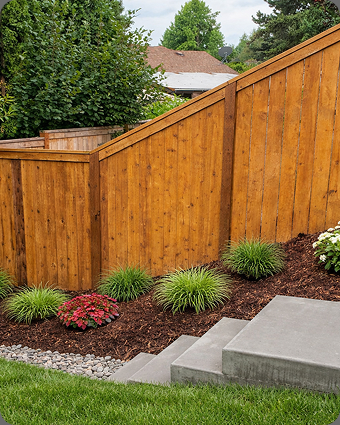
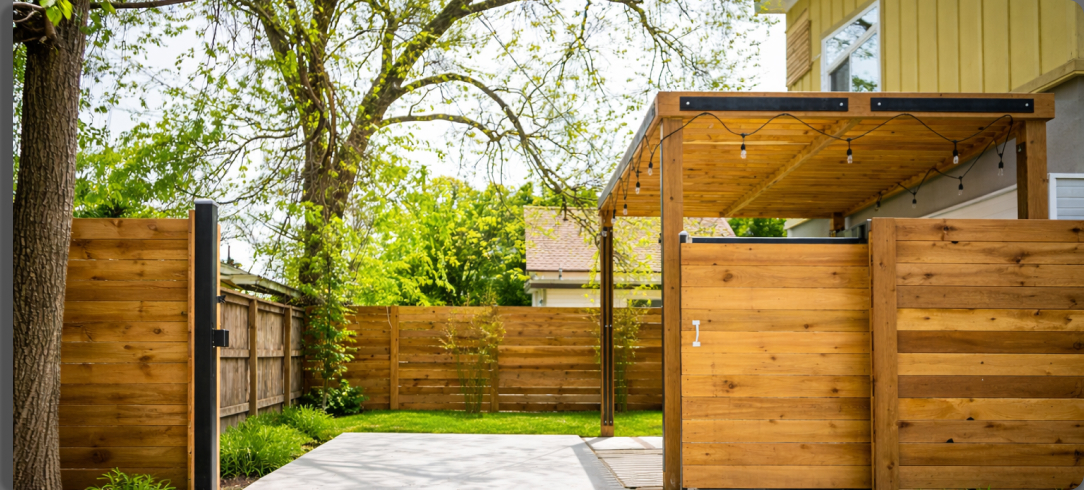
Many homeowners consider wood fencing when they need to define property lines, add privacy, or enclose their yard for safety. Installing a wood fence can help create a clear boundary between properties, limit visibility from neighbors, and provide a secure area for children or pets. The process starts with a site evaluation and planning, including selecting fence style and height to match your needs. Installation typically involves setting posts, attaching panels or pickets, and finishing with gates or trim. A well-built wood fence can improve both the function and appearance of your outdoor space.

Illustration of a modern business website showcasing service details and customer engagement.
When to Consider Wood Fencing

Wood fencing is often chosen for privacy, marking property boundaries, or creating a safe play area. It is also a practical solution for blocking street views or reducing noise from nearby roads.

Planning Your Fence Project

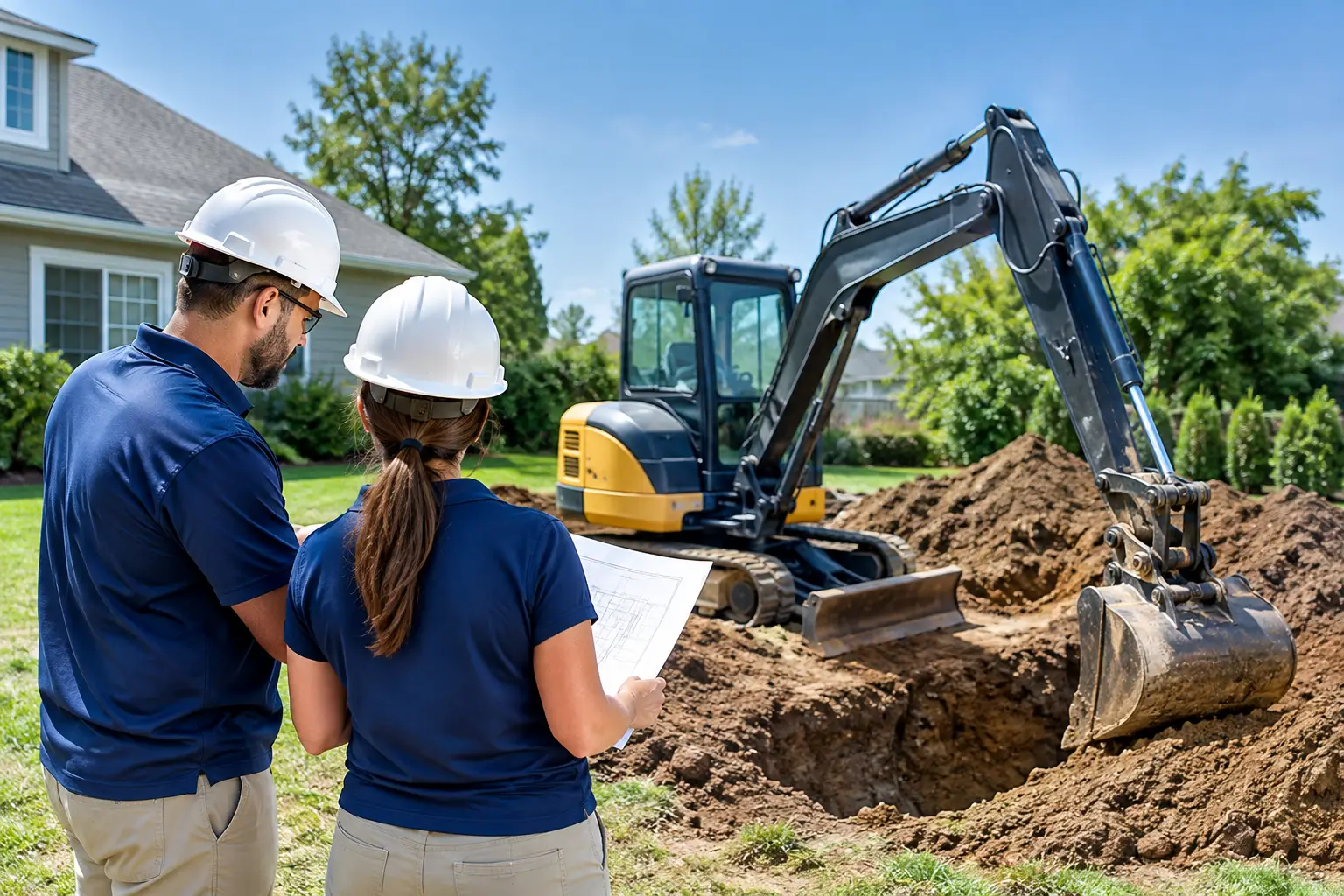
Before installation, it’s important to review property lines, consider local codes, and select a fence style that fits your home. The planning stage may also include choosing materials and discussing gate placement.

What to Expect During Installation

The installation process usually includes setting posts in concrete, attaching wood panels or pickets, and ensuring the fence is level and secure. Cleanup and finishing touches help ensure the new fence is ready for daily use.

Frequently Asked Questions

Q. What factors are considered when planning a wood fence installation for my Beaverton property?
Planning a wood fence involves assessing property lines, existing landscape features, grading, and the desired level of privacy. The layout is designed to work with slopes, plantings, and site access needs.
Q. How is post stability ensured for wood fencing in the Portland metro area?
Post stability depends on proper hole depth, concrete footing, and accounting for local soil conditions. Attention to drainage and moisture helps prevent shifting and extends the life of the fence.
Q. What maintenance does a wood fence typically require in this climate?
Regular maintenance includes inspecting for loose boards, treating the wood to prevent rot, and cleaning to remove debris. Applying sealant or stain helps protect the fence from moisture and weather exposure.
Q. How does a wood fence handle changes in soil moisture or weather throughout the year?
Wood fencing is designed to allow for some natural expansion and contraction. Proper installation and wood treatment help minimize warping, shifting, and moisture-related wear over time.
Q. Can wood fencing be installed on sloped or uneven yards?
Yes, wood fencing can be adapted to fit sloped or uneven terrain. The installation approach may involve stepping or racking the panels to maintain a consistent appearance and functional boundary.

Start Your Project Today

Get a Free Quote

    How to Begin

    What Happens Next

    Use this form to share details about your landscaping or outdoor construction project, or to ask questions about our residential services. You may also reach us by phone or email if that is easier for you.

    After you send your information, a team member will contact you to discuss your project and outline the next steps.

    0 +

    Project 

    0 %

    Customer Feedback

    Recent News and Helpful Guides

    Outdoor Landscaping Tips and Planning Resources

    Scroll to Top