

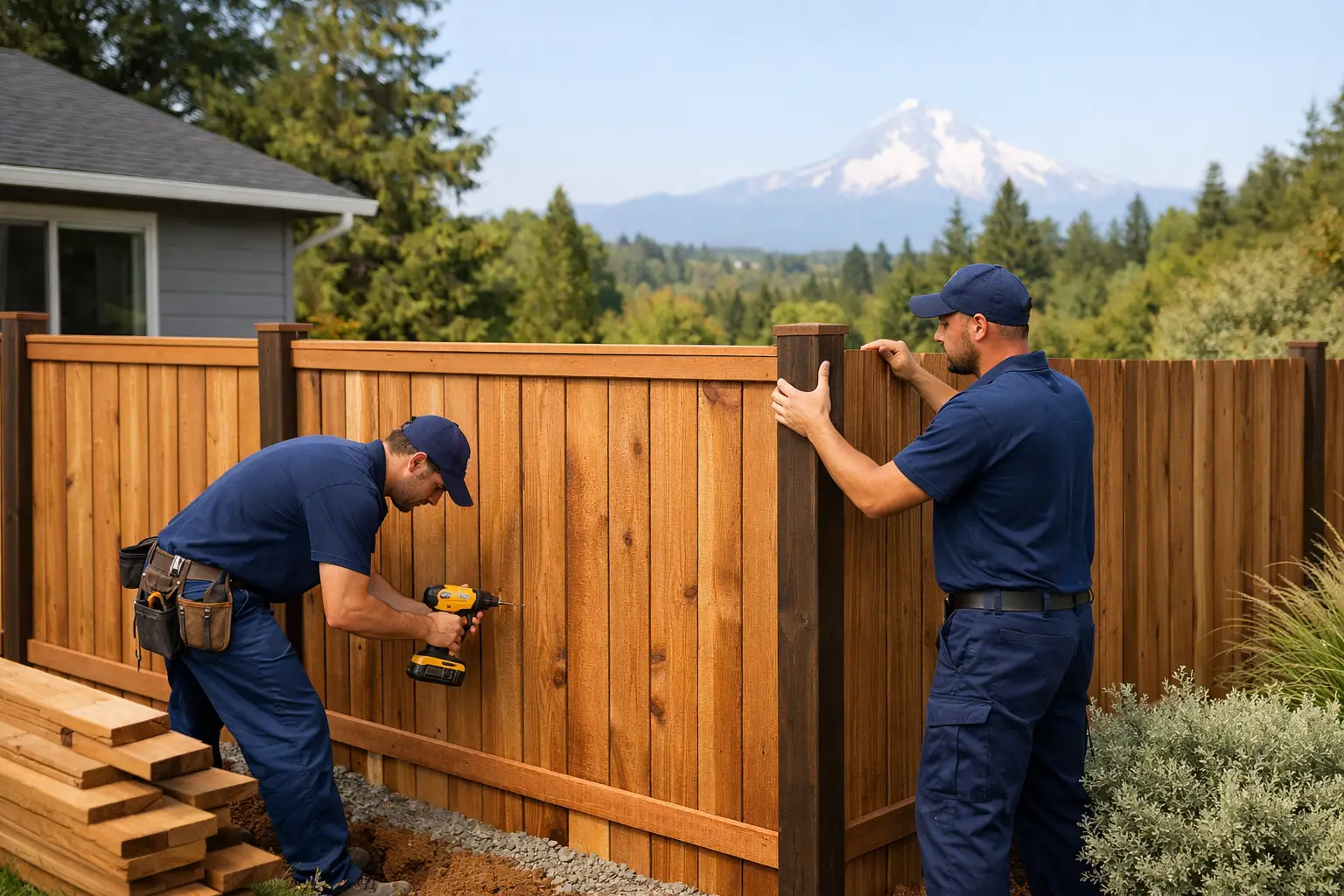
A new fence can solve a very practical problem in a Portland-area yard: a neighbor-facing patio that feels too exposed, a dog that needs a secure place to run, or a sloped property line that has never been clearly defined. Quality fence installation is more than setting posts and attaching boards. It requires accurate layout, sound footing work, materials suited to Northwest weather, and a finished design that works with the rest of the property.
For homeowners in Tigard, Beaverton, Lake Oswego, Hillsboro, Sherwood, Wilsonville, and throughout the Portland metro area, the right fence should feel like a permanent improvement, not a short-term patch. The decisions made before construction begins often determine whether it stays straight, drains properly, and looks good years from now.
Start Fence Installation With the Property, Not the Material
Most homeowners begin by choosing a fence style. That is understandable, but the property should guide the design first. A fence that looks right on a flat suburban lot may require a different approach on a hillside, beside a retaining wall, or along a yard with standing-water issues.
A professional site review considers the actual boundary, grade changes, access points, existing trees, utilities, drainage paths, and structures near the proposed fence line. It also identifies practical questions early: Where should gates go? Does a gate need to accommodate a mower, trailer, or garbage bins? Will the fence tie into a deck, patio, retaining wall, or house? These details affect the layout, materials, labor, and long-term use of the space.
Property lines deserve particular attention. An existing fence is not always on the legal boundary, especially in older neighborhoods. If the exact location matters, homeowners may need a survey or clear documentation before work begins. Resolving that question before construction is far easier than moving a completed fence later.
Local requirements can also affect fence height, location, and visibility near streets or driveways. Homeowners associations may have their own material or design standards. A clear plan allows those considerations to be addressed before materials are ordered and crews arrive.
Choosing a Fence Material for Portland Weather
Portland’s wet fall and winter seasons are hard on exterior materials. Moisture, soil conditions, shade, and limited airflow all influence how a fence performs. The best choice depends on the homeowner’s priorities for appearance, privacy, maintenance, budget, and lifespan.
Wood Fences Offer Warmth and Flexible Design
Cedar is a popular choice for residential fencing because it has a natural appearance and works well with Northwest landscapes. It can be built as a full privacy fence, horizontal board fence, open-panel style, or custom design that complements a pergola, deck, or garden area.
Wood requires realistic maintenance expectations. Even quality cedar will weather over time, and periodic cleaning, staining, or sealing can help protect its appearance. Proper spacing from the soil and thoughtful drainage around posts matter just as much as the boards themselves. A beautiful wood fence with poor post support will not perform like a durable one.
Vinyl Fences Keep Maintenance Simple
Vinyl fencing can be a practical choice for homeowners who want a clean, uniform look with minimal upkeep. It does not need painting or staining, and it is available in privacy, picket, and semi-private styles.
The trade-off is design flexibility and repair approach. Vinyl may not have the natural character of wood, and matching a damaged section years later can be more difficult if a product line changes. Installation quality is especially important because posts, rails, and panels must be set accurately for the system to stay aligned.
Metal Fences Work Well for Visibility and Security
Ornamental metal and chain-link fencing are often selected when visibility, containment, or security is more important than full privacy. Metal fencing can be an excellent fit around gardens, side yards, pools, pets, and homes where the view should remain open.
A metal fence may be paired with shrubs, trees, or landscape screening for added privacy. This is often a better long-term solution than installing a solid, tall fence where wind exposure or neighborhood sightlines make it less suitable.
Composite Materials Provide a Polished Alternative
Composite fence systems offer consistent color and a low-maintenance finish. They can suit contemporary outdoor spaces, particularly when coordinated with pavers, modern retaining walls, or outdoor structures.
They typically cost more than standard wood fencing, and the available styles may be more limited. For a homeowner seeking a specific custom layout or natural texture, cedar may still be the better fit. The right answer depends on how the yard will be used and how much maintenance the owner wants to take on.
Posts and Drainage Determine How a Fence Holds Up
The most visible part of a fence is the panel, but its durability begins below grade. Posts must be set at appropriate depth and spacing for the fence height, material, soil condition, and wind exposure. A fence that is underbuilt at the post level can lean, rack, or develop uneven lines as weather and soil movement take their toll.
In the Portland area, drainage should never be treated as an afterthought. Water that collects around posts can contribute to premature deterioration and unstable soil. On properties with slopes or persistent wet areas, fence work may need to coordinate with grading, drainage improvements, retaining walls, or gravel base preparation.
This is where working with an outdoor contractor that understands more than one trade is valuable. Fence installation may intersect with excavation, concrete footings, masonry, landscape grading, or a new patio plan. Managing those elements together helps avoid conflicts between projects and produces a cleaner finished yard.
Gates Need More Planning Than Most Homeowners Expect
A gate is the moving part of the fence, so it needs the strongest support and the most precise alignment. A gate that sags, drags across a patio, or will not latch cleanly becomes a daily frustration.
Before construction, consider who will use the gate and what must pass through it. A three-foot walk gate may be enough for everyday access. A wider opening may be needed for lawn equipment, wheelbarrows, a future shed project, or emergency access. Double gates can be useful, but they require solid posts and a level surface to operate reliably.
Gate placement also affects how the yard feels. A side-yard gate should be convenient without becoming an awkward focal point. A rear gate may improve access to a greenway or shared alley but may also need additional attention to security and latch hardware. These are small choices that make a completed fence much more functional.
Match the Fence to the Rest of the Outdoor Project
A fence should not look like it was added without regard for the yard around it. Its height, color, board pattern, and line can either frame the landscape or compete with it.
For example, a horizontal cedar fence can create a refined backdrop for a paver patio and planting beds. A stepped fence can follow a sloped yard more naturally than a sharply racked panel design. Around a retaining wall, the fence may need to be set back or integrated carefully so it does not compromise drainage or create a difficult maintenance gap.
Homeowners planning several upgrades at once often benefit from establishing the complete site plan before starting. A future patio, pergola, irrigation system, shed pad, or planting area may change where a fence should go. Building in the right sequence prevents unnecessary removal and rework.
What a Clear Fence Project Process Should Include
A dependable contractor should provide a straightforward scope of work before construction begins. That includes the fence style and height, material selection, approximate layout, gate locations, demolition or removal needs, post and footing approach, and the expected condition of the finished site.
The quote should also distinguish between known work and potential issues that cannot be confirmed until excavation begins, such as buried debris, rock, old concrete, or unexpected utility conflicts. Clear communication does not eliminate every site surprise, but it helps homeowners understand how those situations will be handled.
During construction, crews should protect nearby landscaping where practical, maintain a clean work area, and build consistent lines, spacing, and transitions. At completion, the fence should be checked for secure posts, functional gates, aligned panels, and a finished appearance from both sides where appropriate.
Build the Fence Your Yard Actually Needs
The best fence is not always the tallest or the most expensive one. It is the fence that provides the privacy, security, pet containment, curb appeal, or boundary definition your property needs while fitting the site’s conditions and your long-term plans.
Four Seasons Landscape & Construction approaches fencing as part of the larger outdoor environment. Whether a project calls for a simple privacy fence or a coordinated update with grading, hardscaping, and landscape improvements, careful planning and skilled construction make the difference. A well-built fence gives a yard clear structure, more usable space, and a sense of privacy you can appreciate every day.