Modern business website template showcasing service details and customer engagement.

When to Consider a Concrete Retaining Wall

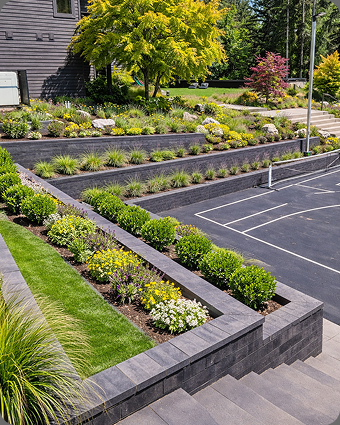
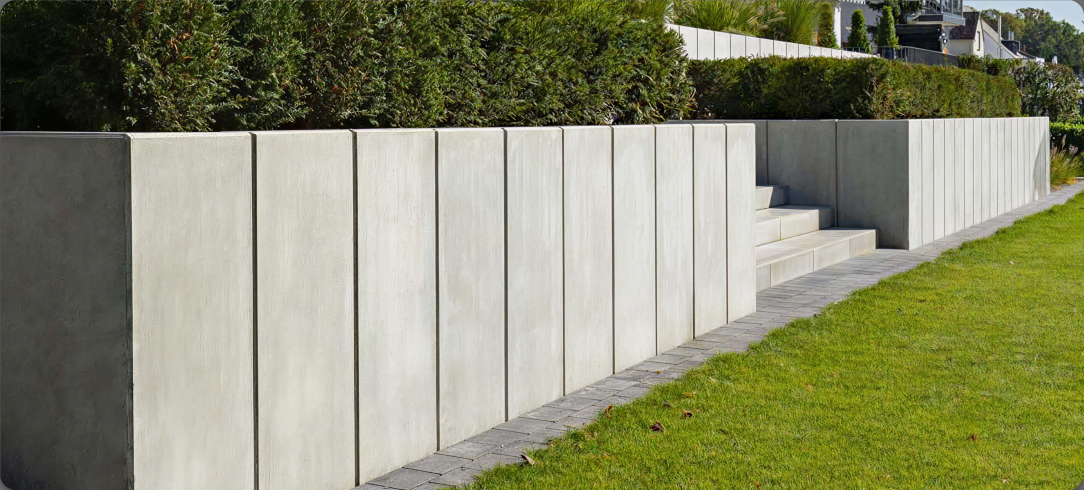
Concrete retaining walls are often needed when your property has steep slopes, soil erosion, or significant elevation changes. These walls provide strong support to hold back soil and prevent movement, especially on hillsides or near foundations. Homeowners in Beaverton commonly choose concrete retaining walls to create level areas for patios, gardens, or driveways and to address drainage issues that can affect landscaping.

Illustration of a modern business website showcasing service details and customer engagement.
What the Construction Process Involves

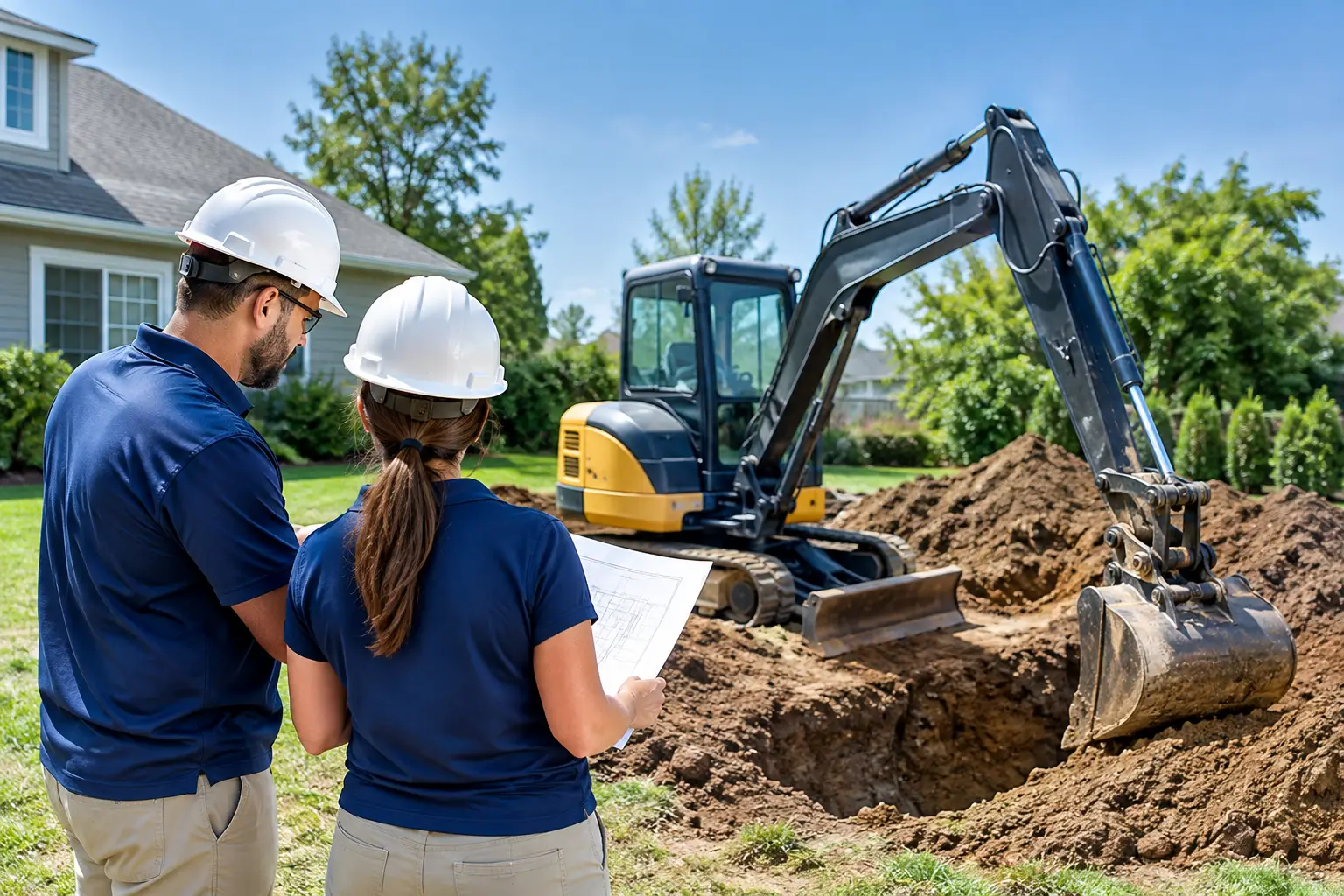
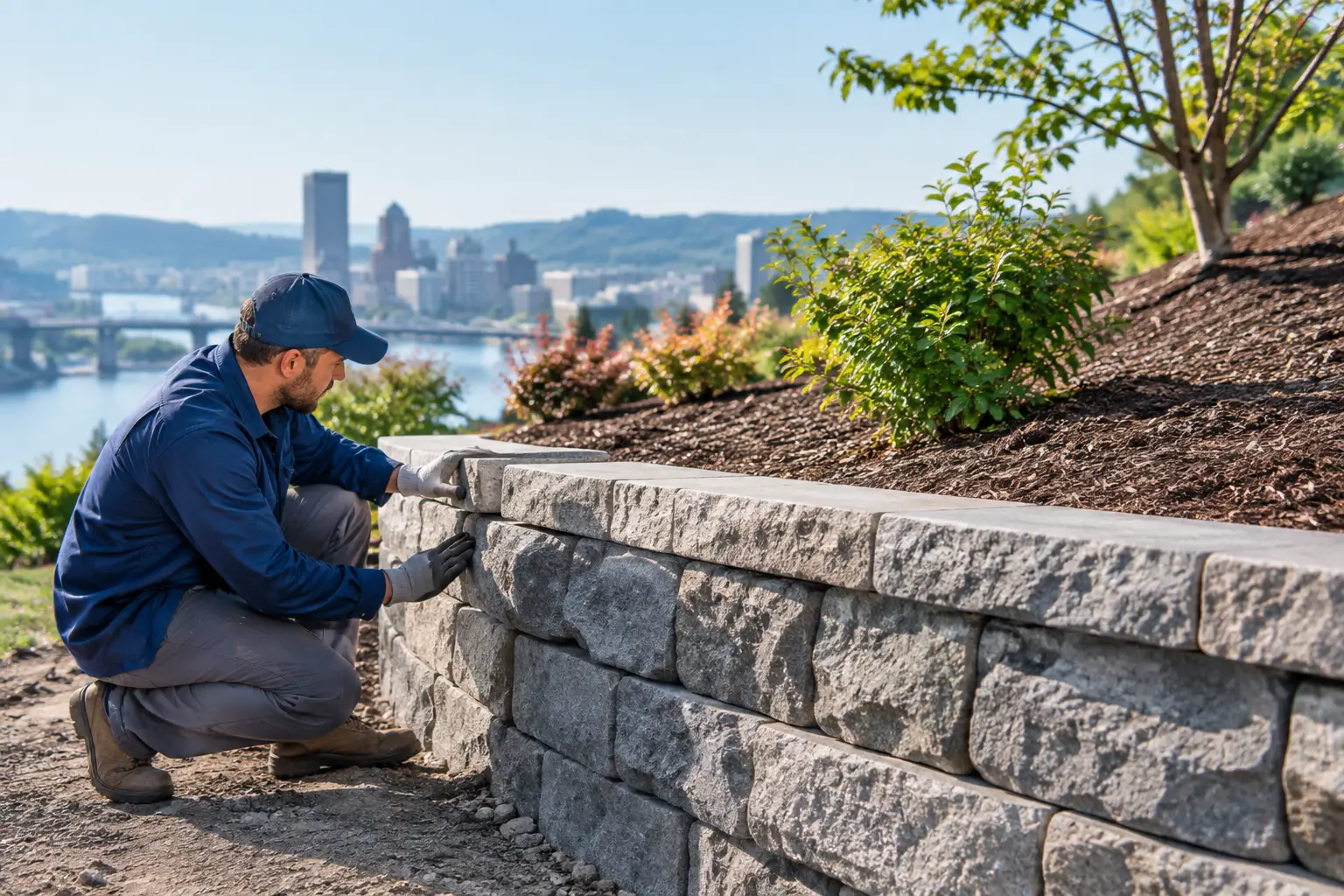
Building a concrete retaining wall starts with careful site evaluation and grading. The process includes excavation, forming, and installing steel reinforcement before pouring concrete. Proper drainage is always planned to reduce water pressure behind the wall. Once cured, the wall is finished for long-term strength and appearance.

Planning and Design Considerations

Project planning takes into account the wall height, soil type, and site drainage. In some cases, engineered drawings may be required for taller or load-bearing walls. Material selection and finish options are discussed to match the look of your landscape and meet city requirements.

Benefits for Your Property

A well-built concrete retaining wall protects against soil movement and water damage. It can also create usable flat areas, improve curb appeal, and support other landscaping features. These walls are chosen for their durability and ability to handle challenging site conditions.

Frequently Asked Questions

Q. When is a concrete retaining wall recommended for my property in Beaverton?
Concrete retaining walls are often used on properties with steep slopes or where significant soil pressure needs to be managed. They provide strong structural support in areas where lighter materials may not be suitable.
Q. How is drainage handled behind a concrete retaining wall?
Proper drainage is installed behind concrete retaining walls to help reduce water buildup and relieve pressure on the wall. This typically involves drainage pipes, gravel backfill, and weep holes to allow water to escape.
Q. What steps are involved in building a concrete retaining wall?
The process usually includes site evaluation, excavation, footing preparation, wall reinforcement, concrete pouring or block placement, and drainage installation. Each stage is important for the wall’s long-term stability.
Q. How does reinforcement improve the strength of a concrete retaining wall?
Reinforcement, such as steel rebar, is used within the concrete to help the wall resist soil pressure and reduce the risk of cracking or movement over time. It is especially important for taller or heavily loaded walls.
Q. What maintenance is needed for a concrete retaining wall in the Portland metro area?
Concrete retaining walls require occasional inspection for cracks, movement, or drainage issues. Addressing minor problems early and keeping drainage systems clear can help maintain the wall’s performance over time.

Start Your Project Today

Get a Free Quote

    How to Begin

    What Happens Next

    Use this form to share details about your landscaping or outdoor construction project, or to ask questions about our residential services. You may also reach us by phone or email if that is easier for you.

    After you send your information, a team member will contact you to discuss your project and outline the next steps.

    0 +

    Project 

    0 %

    Customer Feedback

    Recent News and Helpful Guides

    Outdoor Landscaping Tips and Planning Resources

    Scroll to Top