Modern business website template showcasing service details and customer engagement.

Effective Drainage for Lasting Landscape Stability

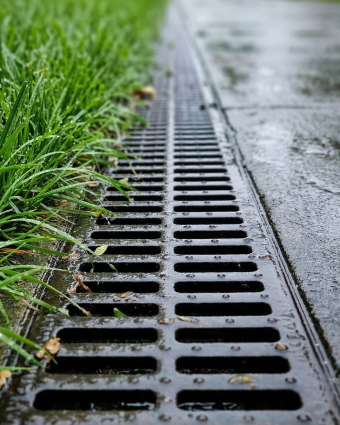
Standing water, soggy lawns, and poor runoff can damage landscaping and create long-term property issues. Many Beaverton homeowners consider yard drainage installation when they notice water pooling near foundations, muddy patches that never dry, or landscape beds that wash out after heavy rain. Addressing these problems early helps protect your investment and prevents more costly repairs down the road.

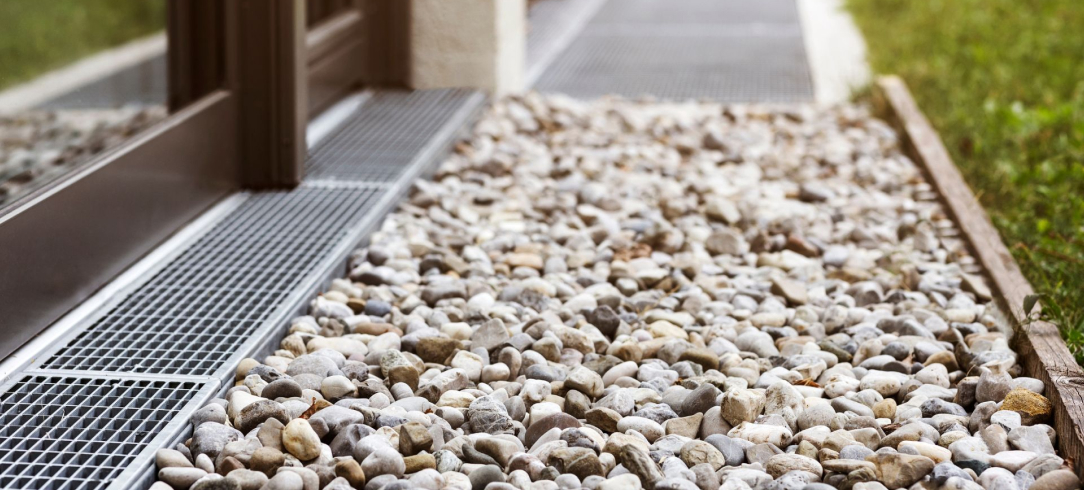
Professional drainage installation typically begins with a site evaluation to identify problem areas and water flow patterns. Solutions may include French drains, yard drainage systems, grading, or other methods to redirect water away from structures and outdoor living spaces. The finished result is a yard that drains properly, supports healthy plants, and remains usable year-round.

Illustration of a modern business website showcasing service details and customer engagement.
Common Drainage Problems

Persistent puddles, erosion on slopes, and water collecting at the base of retaining walls are frequent signs of drainage issues. These conditions can harm lawns, damage patios, and weaken landscape structures.

Planning Your Drainage Project

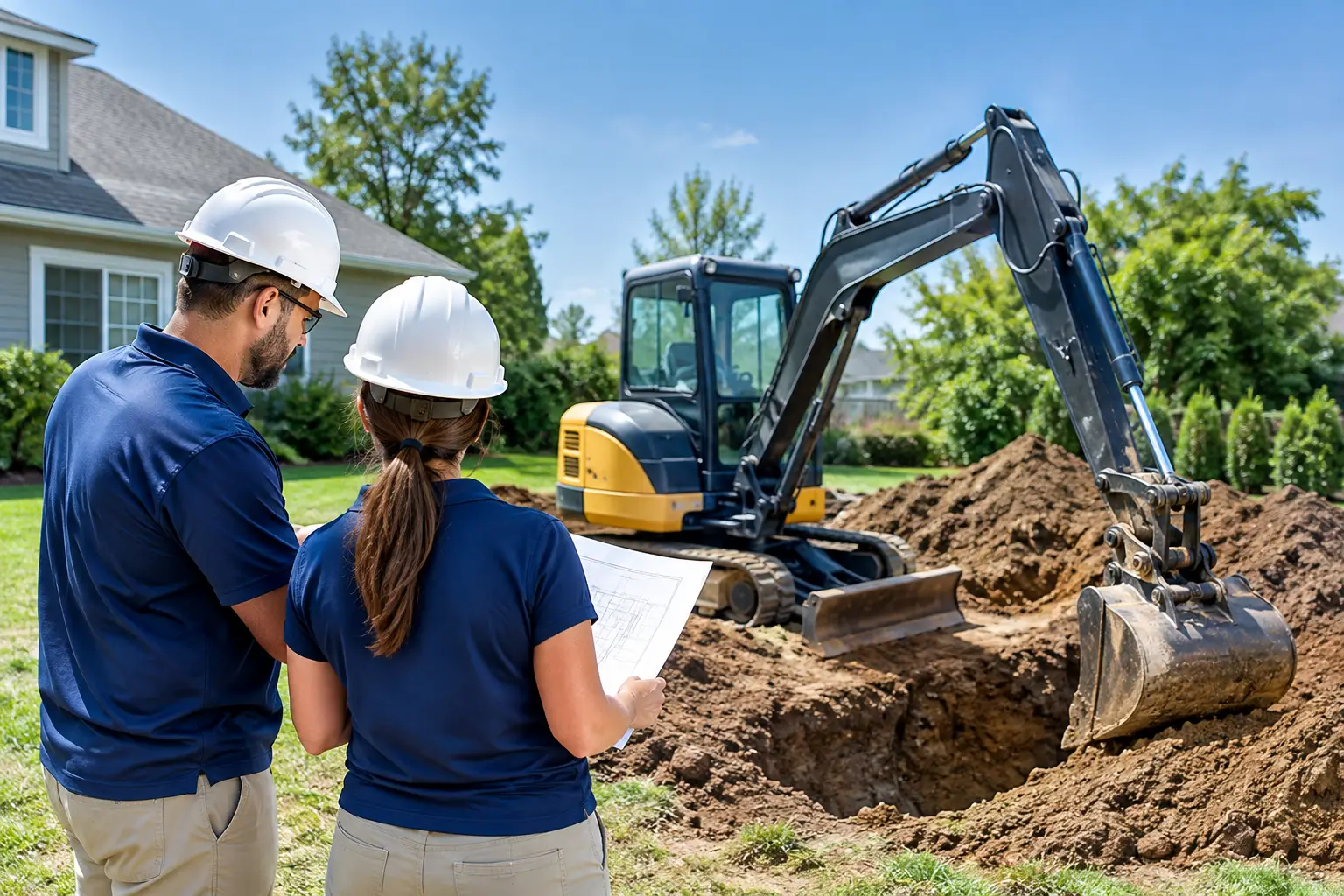
A drainage project starts by evaluating how water moves through your yard. Considerations include soil type, slope, and the location of existing landscaping or hardscapes. Proper planning ensures the solution fits your property’s needs.

What to Expect During Installation

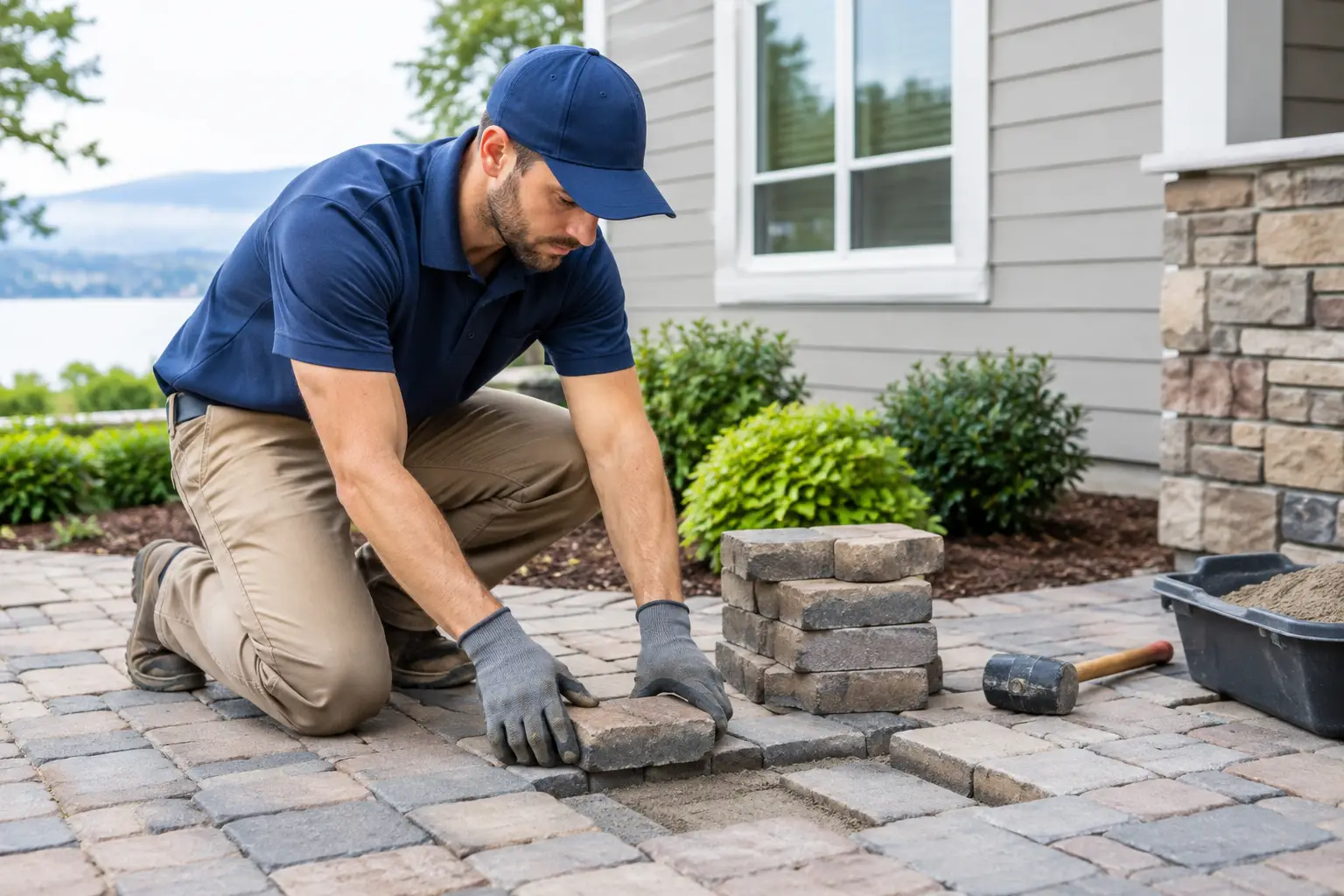
Installation usually involves trenching, placing drainage pipes or gravel, and restoring the landscape surface. Most projects are completed with minimal disruption and are designed to blend with your existing yard.

Frequently Asked Questions

Q. How can I tell if my yard in Beaverton needs a drainage system?
Common signs include standing water after rain, soggy areas that don’t dry out, soil erosion, or water pooling near patios, walkways, or your home’s foundation. If you notice these issues, a drainage evaluation can help determine the best solution for your property.
Q. What types of drainage solutions are used for residential properties?
Typical options include French drains, surface drains, grading to redirect water, and installing catch basins or dry wells. The right approach depends on your yard’s slope, soil type, and how water moves across your landscape.
Q. Will installing a drainage system affect my existing landscaping or outdoor features?
Drainage work is planned to fit with your current landscaping and hardscape features. The installation process may involve some excavation, but care is taken to minimize disruption and restore affected areas once the system is in place.
Q. How is a drainage problem evaluated during a site visit?
A site evaluation looks at water flow, low spots, soil conditions, and how existing features may be trapping or redirecting runoff. The assessment helps identify the source of the problem and guides the selection of an appropriate drainage solution.
Q. What maintenance is needed after a drainage system is installed?
Most drainage systems require occasional checks to keep inlets and outlets clear of debris. Regular maintenance helps ensure continued performance, especially during heavy rainfall or seasonal changes.

Start Your Project Today

Get a Free Quote

    How to Begin

    What Happens Next

    Use this form to share details about your landscaping or outdoor construction project, or to ask questions about our residential services. You may also reach us by phone or email if that is easier for you.

    After you send your information, a team member will contact you to discuss your project and outline the next steps.

    0 +

    Project 

    0 %

    Customer Feedback

    Recent News and Helpful Guides

    Outdoor Landscaping Tips and Planning Resources

    Scroll to Top