
Gravel Pathways
Our Services
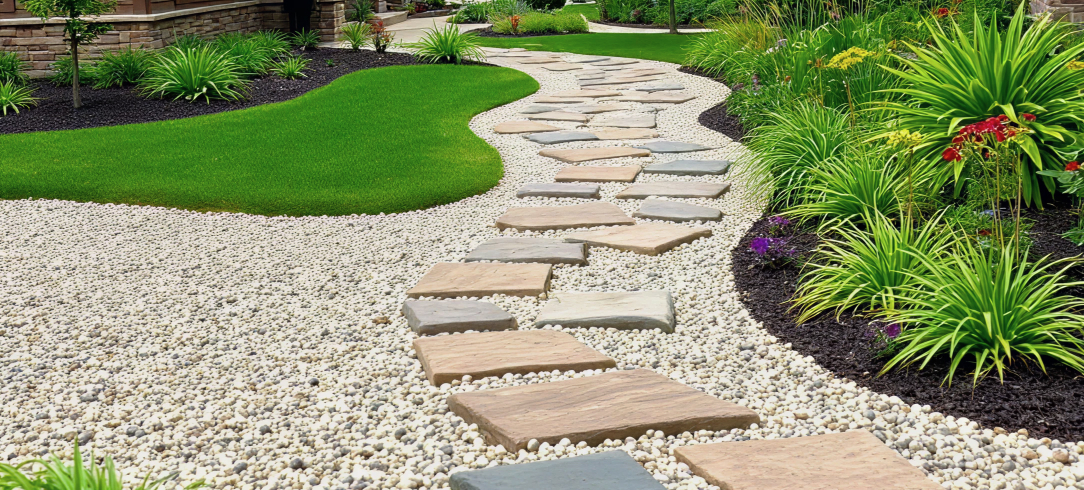
Natural Walkways for Easy Garden Access
Gravel pathways offer a practical way to create informal walking routes across gardens, side yards, or between outdoor features. Homeowners often consider gravel paths when they want a low-maintenance solution for areas where grass struggles to grow, or where frequent foot traffic wears down the landscape. These walkways help define spaces, prevent muddy patches, and provide a stable, natural-looking surface that blends with most outdoor designs.
Installing a gravel pathway typically involves outlining the route, preparing the base with excavation and grading, installing landscape fabric for weed control, and spreading compacted gravel to create a durable walking surface. The finished result is a functional path that improves access and keeps outdoor areas tidy, especially in high-traffic or shaded zones where other surfaces may not hold up.
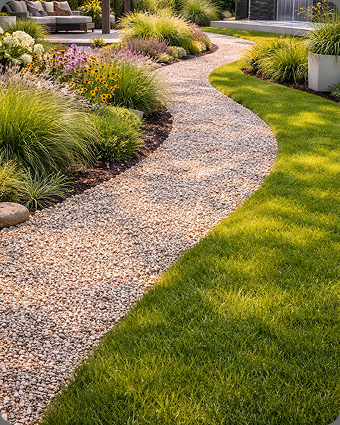
When to Consider a Gravel Pathway
Gravel paths are a good choice for side yards, garden walkways, or any area where you need informal access. They are especially useful where grass won’t grow, soil stays muddy, or you want a simple way to connect different parts of your yard.
What the Installation Involves
The process usually starts with marking the path, removing any sod or debris, and grading the area for drainage. A layer of landscape fabric is added to limit weeds, followed by compacted gravel. Edging may be installed to help keep the path tidy and maintain its shape.
Benefits for Your Property
A gravel pathway makes it easier to move around your yard without tracking dirt or mud. It helps organize outdoor spaces and can add a natural look that fits with many landscape styles. Maintenance is simple, usually just occasional raking and topping up gravel as needed.
Frequently Asked Questions
Q. What are the main benefits of installing a gravel pathway in my Beaverton yard?
Q. How do you prepare the ground before installing a gravel path?
Q. Will weeds grow through my gravel pathway, and how can this be minimized?
Q. How often does a gravel pathway need maintenance or replenishment?
Q. Is a gravel pathway suitable for areas with heavy rain or poor drainage?
Start Your Project Today
Get a Free Quote
How to Begin
What Happens Next
Use this form to share details about your landscaping or outdoor construction project, or to ask questions about our residential services. You may also reach us by phone or email if that is easier for you.
After you send your information, a team member will contact you to discuss your project and outline the next steps.
Project
Customer Feedback
Recent News and Helpful Guides
Outdoor Landscaping Tips and Planning Resources
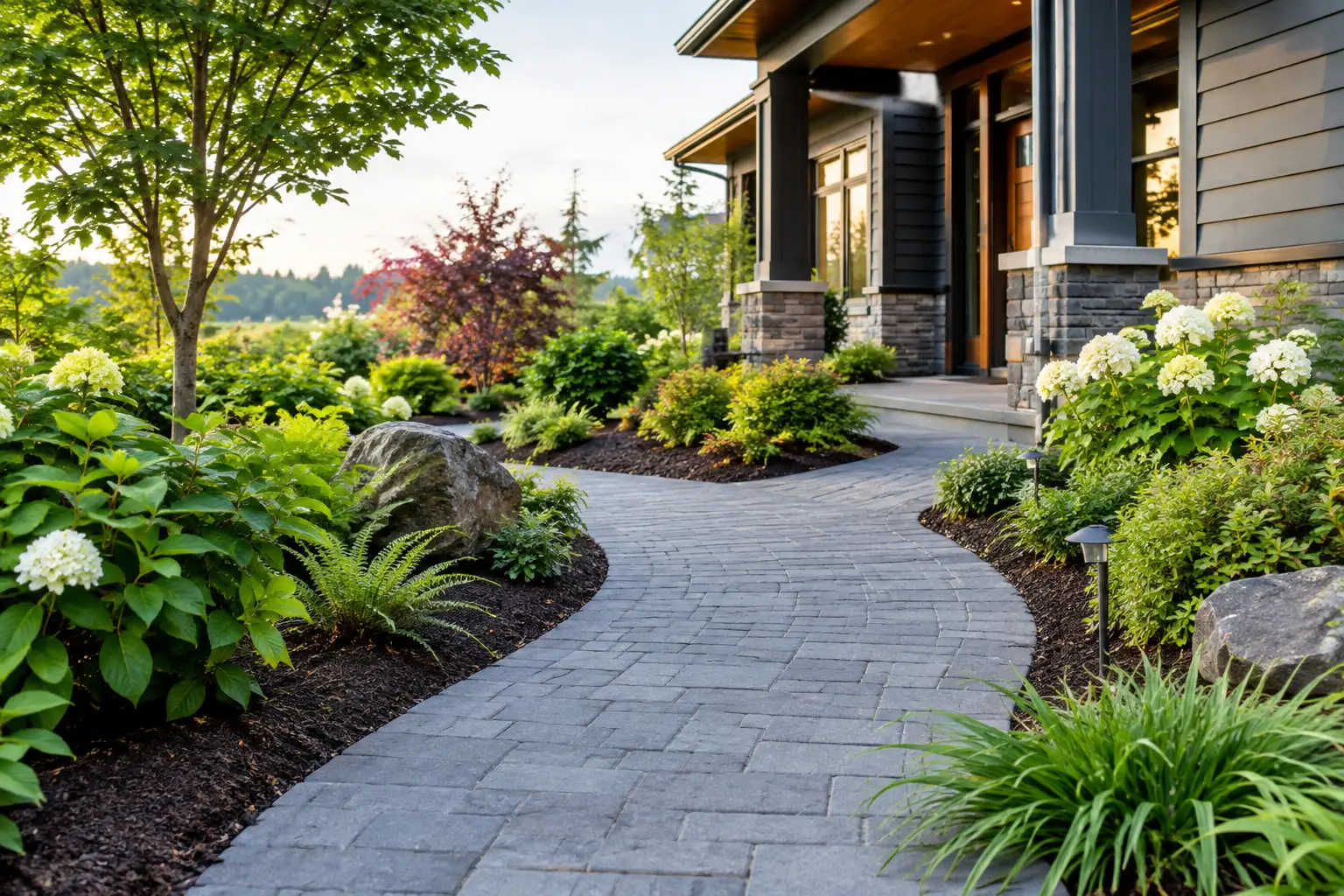
Walkway Design Ideas for Portland Area Homes
Walkway design ideas for Portland homes: material selection and drainage, plus width, lighting, and construction details for safe, lasting curb appeal.
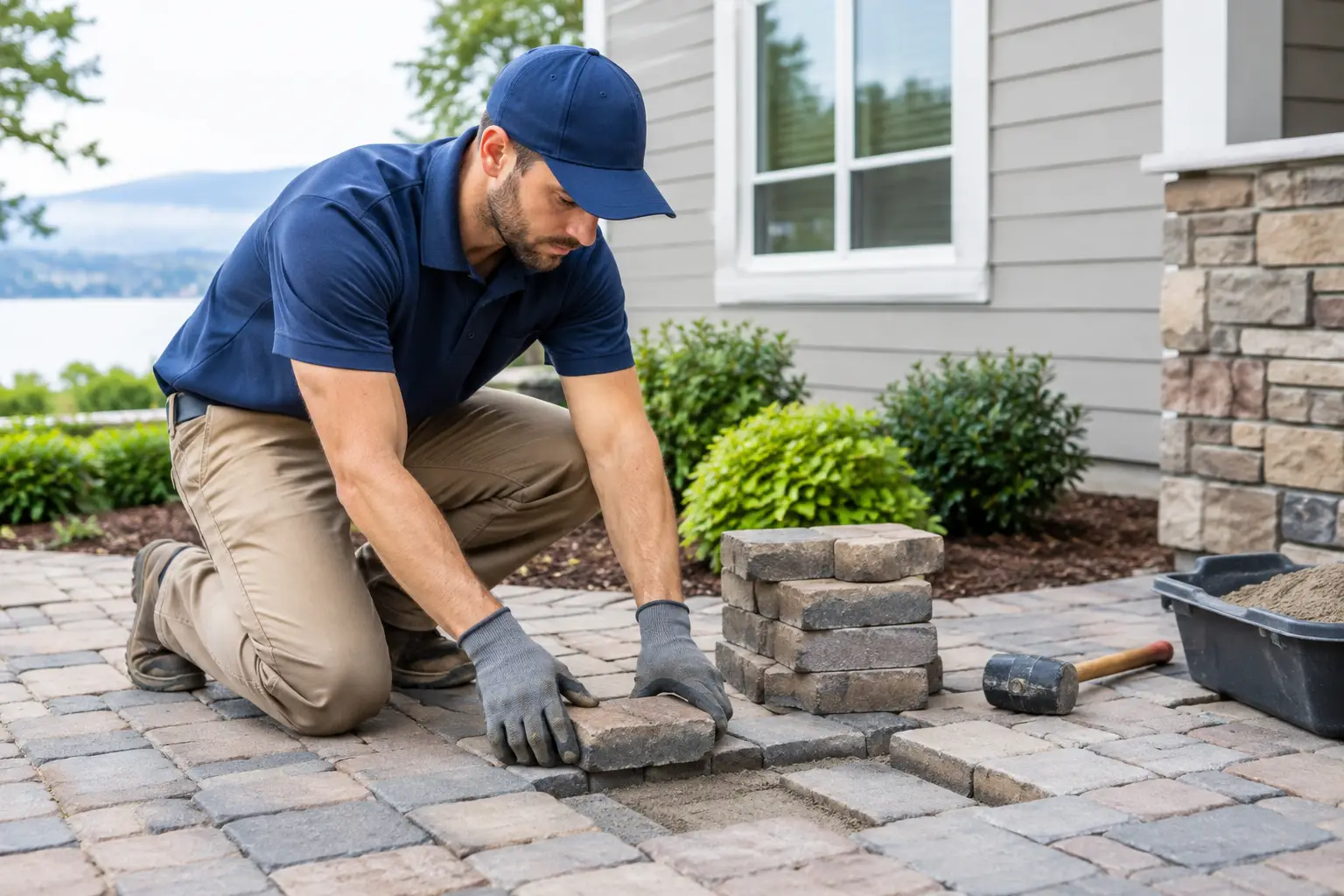
Paver Repair Options for Portland Area Homes
Compare paver repair options for Portland-area homes, from resetting sunken stones to fixing drainage and rebuilding worn patios, walks, and driveways.
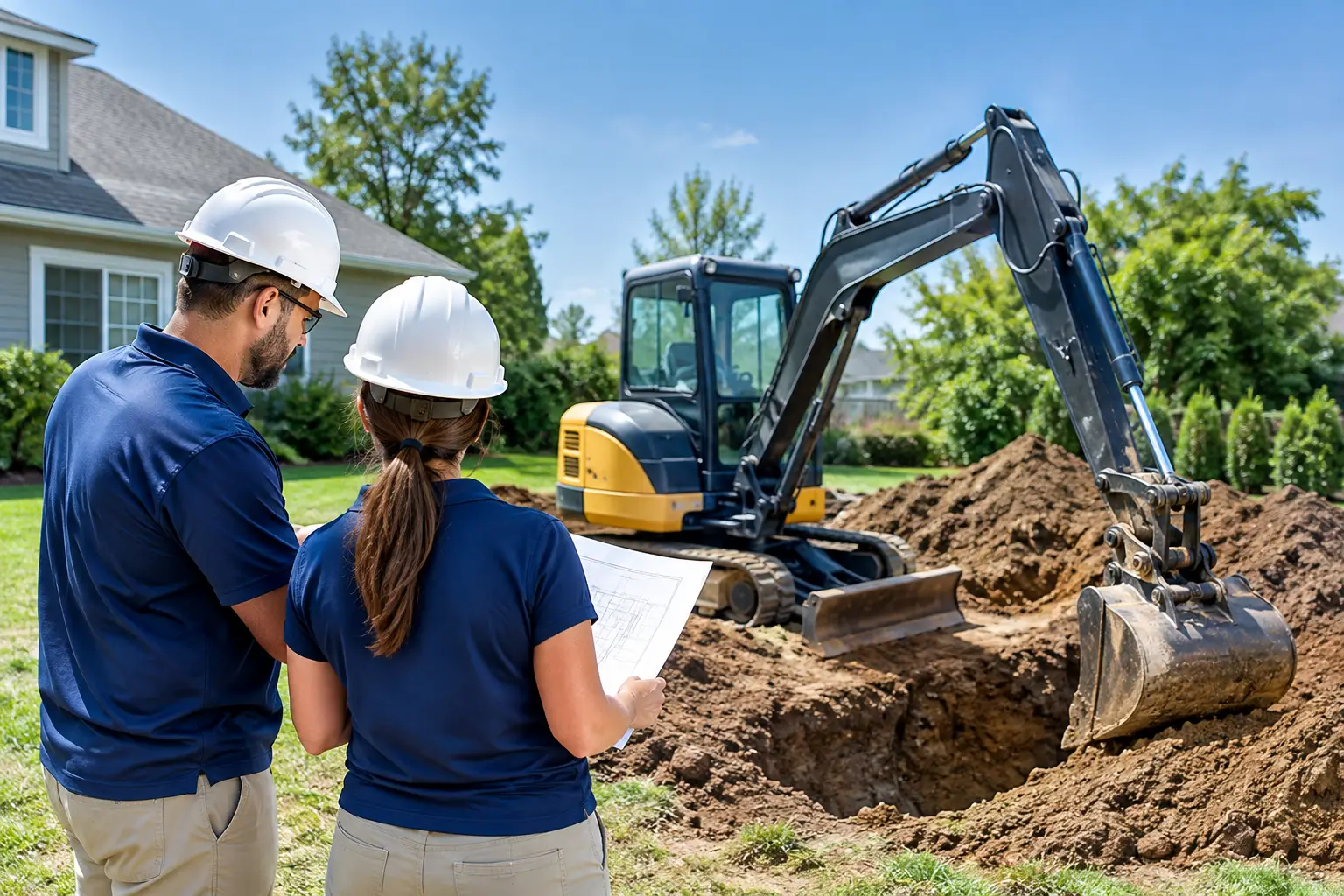
Residential Excavation Planning Guide for Your Yard
Use this residential excavation planning guide to prepare your Portland-area yard for drainage, patios, retaining walls, and lasting outdoor construction.